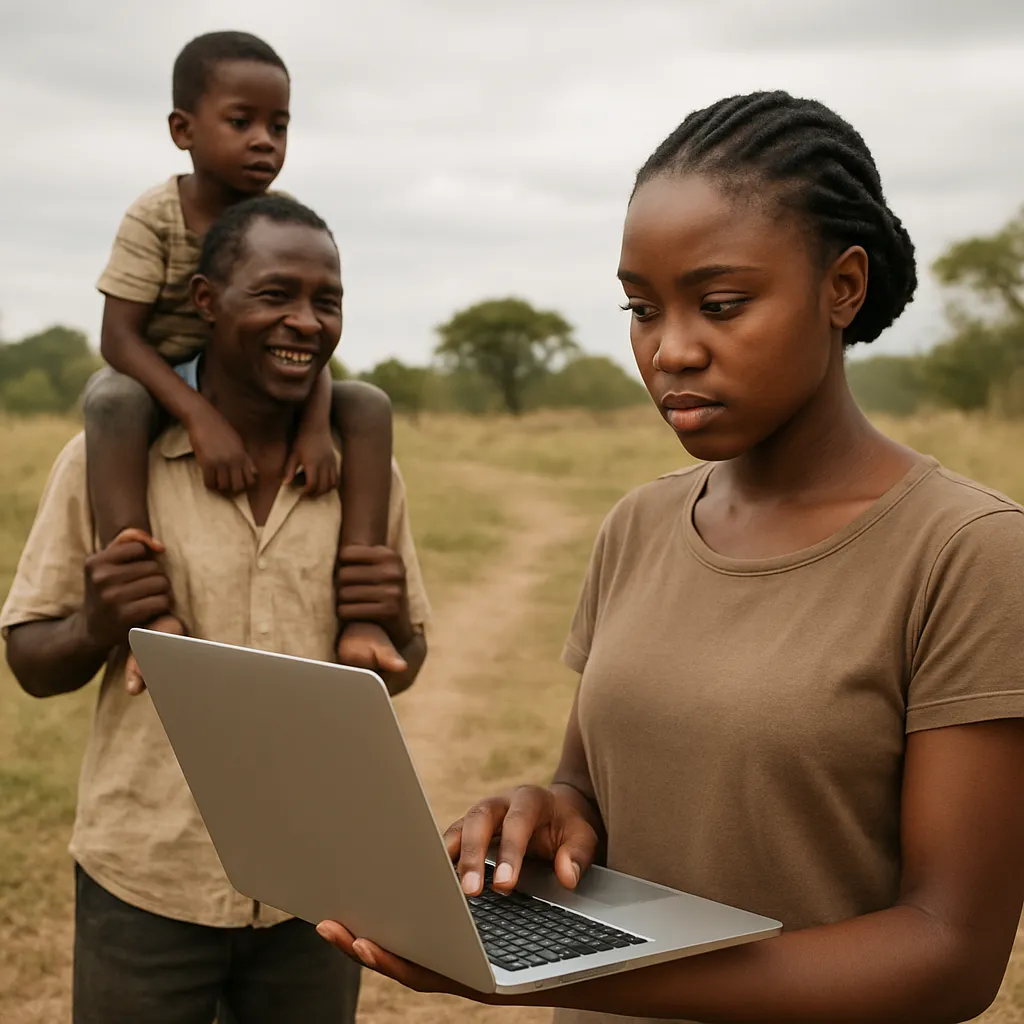
Climate migration has emerged as a defining feature of the globalized world economy. Driven by escalating environmental shocks, millions of individuals are compelled to relocate, reshaping labor markets, financial flows, and social structures. This phenomenon intertwines with broader economic trends, raising critical questions about the capacity of societies and governments to foster sustainability and economic stability amid unprecedented mobility patterns.
Economic Drivers of Climate Migration
The expansion of extreme weather events—ranging from prolonged droughts in the Sahel to catastrophic floods in South Asia—has intensified pressure on vulnerable populations. As fertile land degrades, agricultural yields plummet, undermining household incomes and spurring waves of internal and cross-border movement. In coastal regions, rising sea levels erode shorelines and contaminate freshwater sources, erasing livelihoods built around fishing and small-scale farming.
Economic hardship triggered by climate stress intersects with pre-existing inequalities. Rural households lacking access to credit or insurance are forced to sell assets, often resulting in a cycle of debt and displacement. These families make calculated decisions: migrating to urban centers or neighboring countries in search of better opportunities. Such decisions highlight a complex interplay between household risk management and broader macroeconomic conditions.
Rural Decline and Urban Attraction
Urban areas offer diversified job prospects and more robust public services. Yet, the influx of climate-driven arrivals places strain on housing markets, public transit, and healthcare systems. Informal settlements expand as job seekers compete for low-wage opportunities in manufacturing, construction, and the service sector. The prospect of remittances motivates families to send one or more members away, hoping that funds sent home will finance adaptation measures or education for the next generation.
Critically, the net flow of remittance capital can bolster local economies. Migrants transmit funds that help fund small enterprises, smoothing consumption and facilitating investments in resilient agricultural techniques. However, heavy reliance on remittances can expose recipient communities to external shocks, especially if destination economies falter or host countries restrict migrant entry.
Impacts on Destination Economies
When climate migrants arrive in new regions, they become both a resource and a challenge. On one hand, they can fill labor shortages in sectors such as agriculture, construction, and hospitality. Their flexibility and willingness to accept irregular working hours often complement native workforces, leading to higher overall productivity.
Labor Market Dynamics
Migration can mitigate demographic imbalances in aging societies. Younger migrants rejuvenate the labor pool, contribute to pension systems, and spur consumer demand. Yet, if integration policies are weak, competition for jobs can fuel social tensions and drive down wages in low-skilled segments, exacerbating urban poverty and informal employment.
Infrastructure and Service Provision
Local governments must adapt infrastructure to accommodate growing populations. Expanding public transit, water supply networks, and waste management systems requires significant investment. Without adequate planning, overcrowding undermines public health and education outcomes. Conversely, proactive urban design that incorporates mixed-use development and efficient public services can harness the economic potential of incoming populations.
Private sector actors also play a role. Companies can leverage migrant labor to reduce production costs, but they risk reputational damage if working conditions are exploitative. Partnerships between businesses and municipalities can foster vocational training programs, ensuring that migrants acquire skills aligned with emerging industries.
Policy Responses and Global Cooperation
Addressing the economic dimensions of climate migration demands coordinated action at local, national, and international levels. Governments, international organizations, and civil society must craft policies that balance humanitarian concerns with economic pragmatism.
Key Policy Instruments
- Flexible Migration Pathways: Creating legal channels for temporary and permanent entry improves labor allocation and reduces illegal border crossings.
- Risk Insurance Schemes: Expanding crop and weather-index insurance at subsidized rates helps rural households manage vulnerability.
- Investments in Resilience: Funding infrastructure projects—such as coastal barriers and water storage facilities—enhances community resilience to future shocks.
- Education and Training: Vocational programs targeted at migrants and host communities facilitate smoother adaptation to evolving job markets.
- Financial Inclusion: Expanding access to banking services and microcredit supports small business creation and encourages the productive use of remittances.
At the international level, multilateral institutions can promote burden-sharing through dedicated climate migration funds. These can subsidize relocation assistance, capacity building, and research on best practices. Bilateral agreements between origin and destination countries can streamline labor mobility, align social protections, and prevent migrant exploitation.
Future Outlook and Challenges
Projections suggest that climate-induced displacement may involve tens of millions of individuals by mid-century. Integrating this reality into economic planning is imperative. Investment in early warning systems and community-based adaptation can curb forced migration, but some level of movement is unavoidable. Recognizing migration as an opportunity, rather than a crisis, changes the policy narrative: migrants can drive innovation, fill demographic gaps, and contribute to economic growth.
Nevertheless, challenges persist. Political resistance to openness can lead to restrictive border policies, undermining labor market flexibility. Financing constraints in low-income countries hamper investments in infrastructure, perpetuating cycles of poverty and displacement. Climate shocks are often compound events—cyclones followed by disease outbreaks—that strain public health systems and erode social capital.
To navigate these complexities, stakeholders must adopt a holistic perspective that connects environmental science, economic policy, and social welfare. Emphasizing cross-sector partnerships—linking meteorological services with labor departments and financial regulators—can unlock synergies. Ultimately, building a world economy that accommodates climate mobility hinges on fostering equitable growth, reducing structural inequalities, and embracing the dynamic contributions of migrant populations.