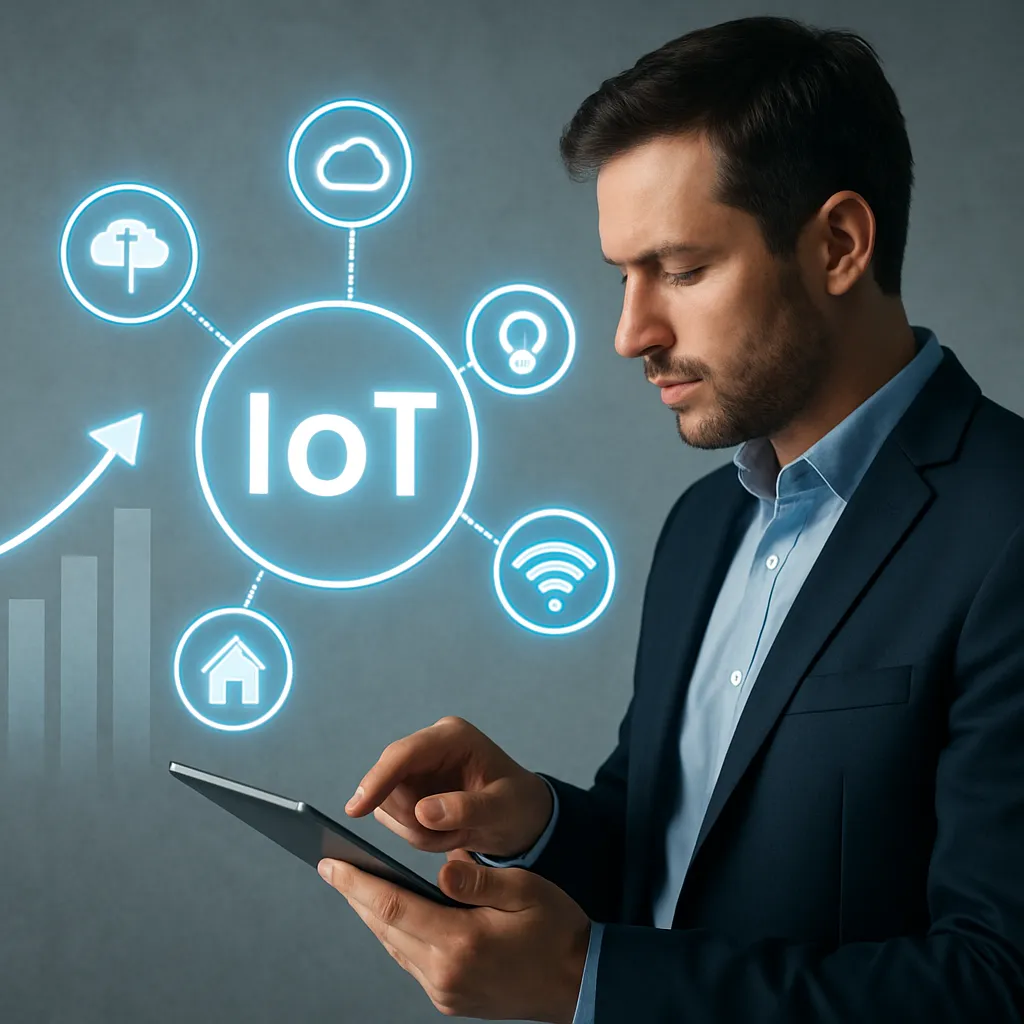
The Economics of the Internet of Things (IoT) explores how interconnected devices transform global markets, redefine value chains, and reshape the competitive landscape. From industrial automation to consumer wearables, IoT drives unprecedented levels of connectivity, generates vast amounts of real-time data, and demands robust infrastructure. Understanding its economic impact requires examining value creation, investment flows, regulatory frameworks, and emerging challenges.
Economic Value Creation in the Internet of Things
IoT delivers tangible value across multiple sectors by enabling enhanced efficiency and reduced operational costs. Smart factories leverage sensor networks to monitor machinery health, anticipating maintenance needs and minimizing downtime. Agricultural operations adopt precision farming techniques—soil moisture sensors and climate analytics—to boost yields and conserve resources.
Enhancing Productivity and Cost Savings
- Predictive maintenance cuts unplanned outages by up to 50%.
- Real-time tracking of goods optimizes supply chains and lowers inventory costs.
- Automated energy management systems reduce utility bills by 20–30%.
These gains translate into billions of dollars in annual savings. For example, the global manufacturing sector stands to gain over $1.5 trillion through IoT-driven improvements in asset utilization and quality control.
New Revenue Streams and Business Models
Beyond cost reduction, IoT unlocks innovative monetization approaches. Companies deploy analytics platforms offering subscription-based insights, transforming hardware sales into ongoing service relationships. Smart cities monetize traffic data to optimize public transport fares, while healthcare providers offer remote patient monitoring as a premium service. By shifting to as-a-service models, enterprises can secure predictable revenue streams and deepen customer engagement.
Investment Trends and Market Dynamics
Global investments in IoT have surged, reflecting confidence in its long-term payoff. Venture capital, corporate R&D budgets, and government grants all play a role in fueling development.
Venture Capital and Private Equity
IoT startups attracted over $20 billion in VC funding last year alone. Key areas of interest include:
- Edge computing and low-power connectivity protocols
- AI-driven analytics platforms
- Cybersecurity solutions tailored for interconnected devices
Early-stage investors target disruptive innovations that promise rapid scalability, while later-stage funds back enterprises aiming to integrate IoT across global operations.
Corporate Investment and Partnerships
Major technology firms allocate substantial capital to build ecosystems that span sensors, networks, and cloud services. Strategic partnerships between telecom operators and industrial conglomerates accelerate deployment, ensuring coverage for infrastructure in both urban and remote areas. These alliances also drive standardization efforts, reducing fragmentation and lowering barriers to entry for smaller players.
Regional Market Divergence
Economic impact varies by geography. North America leads in total IoT spending, driven by advanced manufacturing and healthcare adoption. Europe emphasizes regulatory compliance and sustainable solutions, while Asia-Pacific exhibits explosive growth in smart city and consumer IoT applications. Each region’s unique mix of government incentives, industrial base, and talent pool influences local market dynamics.
Regulatory and Ethical Landscape
Rapid IoT proliferation raises critical questions about privacy, security, and regulatory oversight. Policymakers worldwide must strike a balance between fostering innovation and protecting public interests.
Data Governance and Privacy
Massive streams of personal and operational data necessitate robust governance frameworks. Regulations such as the GDPR in Europe and emerging data localization laws in Asia impose stringent requirements on data collection, storage, and cross-border transfer. Companies must implement encryption, anonymization techniques, and transparent consent mechanisms to remain compliant.
Security Standards and Protocols
IoT devices often present vulnerabilities that can compromise entire networks. Governments and industry consortia are developing security labels, certification programs, and minimum baseline requirements. Adherence to these standards is becoming a prerequisite for market access and can significantly influence purchasing decisions among risk-averse clients.
Ethical and Social Considerations
Beyond legal compliance, ethical concerns emerge around surveillance, algorithmic bias, and potential job displacement. As automation intensifies, labor markets must adapt. Retraining programs and social safety nets will play a crucial role in mitigating adverse effects on the workforce. Companies that proactively address ethical implications will build stronger brand equity and trust.
Future Prospects and Emerging Challenges
IoT’s next frontier extends into realms such as autonomous vehicles, smart healthcare implants, and digital twins. However, scaling these innovations entails overcoming technical, economic, and regulatory hurdles.
Scalability and Interoperability
Fragmentation remains a major obstacle. A proliferation of proprietary communication protocols and data formats hinders seamless integration. The push toward open standards and modular architectures will be key to unlocking network effects and reducing implementation costs.
Sustainability and Environmental Impact
While IoT can drive resource efficiency, the production and disposal of billions of connected devices raise sustainability concerns. Manufacturers must embrace circular economy principles—designing for reparability, recyclability, and extended lifecycles—to minimize electronic waste and carbon footprints.
Economic Inclusion and Digital Divide
Addressing the digital divide is essential to ensure that IoT’s benefits are equitably distributed. Investments in broadband infrastructure, affordable device deployment, and digital literacy programs in underserved communities can foster inclusive growth. Public–private partnerships will be instrumental in bridging gaps and fostering socioeconomic development.
Emerging Technologies and Synergies
IoT’s evolution is closely tied to advancements in artificial intelligence, 5G/6G networks, and blockchain. Combined, these technologies will enable:
- Real-time decision-making at the edge
- Ultra-reliable low-latency communications for mission-critical applications
- Secure decentralized identity and transaction frameworks
Such synergies promise to elevate IoT from mere connectivity to an intelligent, autonomous ecosystem capable of reshaping global supply chains, healthcare, energy grids, and urban living.