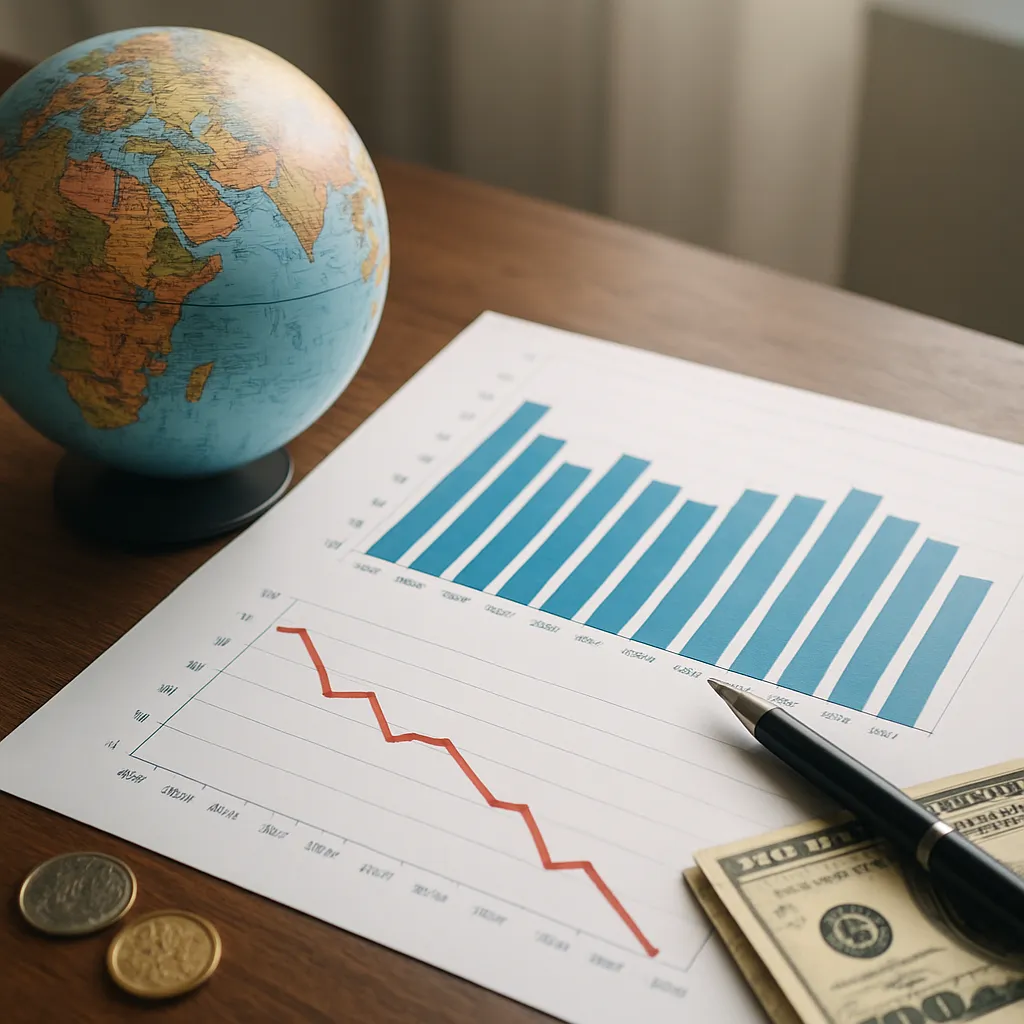
Trade deficits have become a central topic in discussions about the global economy, influencing policy decisions, exchange rates, and international relations. This article examines the nature of trade deficits, explores their consequences for both emerging and developed economies, and evaluates the strategic responses available to governments and multilateral institutions.
Global Landscape of Trade Deficits
The phenomenon of a trade deficit occurs when a nation’s imports of goods and services surpass its exports, resulting in a negative trade balance. Over the past decades, some countries have consistently recorded substantial deficits due to factors such as strong domestic consumption, shifts in manufacturing bases, and differences in comparative advantage. At the same time, surplus economies have accumulated large foreign exchange reserves, affecting currency valuation and capital flows.
Major deficit countries include the United States, the United Kingdom, and India, each influenced by unique structural characteristics:
- United States: Persistent demand for high-tech products and energy imports contributes to a sizeable deficit in goods, even as services exports remain robust.
- United Kingdom: Post-Brexit customs arrangements and investment flows have amplified import costs, while the financial services sector partially offsets deficits in manufactured goods.
- India: Rapid urbanization and infrastructure development have driven imports of capital goods and crude oil, widening the deficit despite strong software exports.
Conversely, surplus economies such as China, Germany, and Japan leverage export-led growth models. Their ability to generate persistent surpluses enables accumulation of foreign reserves, influencing exchange rate strategies to maintain export competitiveness. The interplay between deficit and surplus nations establishes a complex network of obligations and dependencies.
Economic and Social Impacts
Trade deficits can trigger a cascade of effects across multiple dimensions of national well-being. While moderate deficits might reflect robust domestic demand and investment, chronic imbalances can create vulnerabilities.
Macroeconomic Stability and Growth
Long-term deficits may pressure national currencies, as higher import bills drive increased demand for foreign exchange. **Exchange rate depreciation** can elevate the cost of servicing foreign debt and imported inputs, feeding into inflationary pressures. In extreme cases, sustained outflows may undermine investor confidence, potentially leading to capital flight and higher borrowing costs.
Industrial Competitiveness
A widening deficit often signals structural decline in certain manufacturing sectors. Local firms might struggle to compete with lower-priced imports, risking job losses, factory closures, and brain drain. However, deficits can also reflect competitive specialization, where economies focus on high-value services while importing standardized goods at lower opportunity costs.
Employment and Income Distribution
- Manufacturing regions may suffer higher unemployment rates as industries contract under import competition.
- Consumer welfare can improve due to access to a broader range of affordable products, boosting real incomes in the short term.
- Widening wealth gaps may arise if benefits from cheaper imports accrue primarily to higher-income households, while low-skilled workers face displacement.
On the social front, communities dependent on export-oriented industries can witness declining living standards if deficits translate into industrial decline. Policymakers must weigh the benefits of cheaper consumer goods against the costs of potential deindustrialization.
Policy Measures and Future Directions
Governments and international bodies deploy varied strategies to address trade imbalances, seeking to promote sustainable development and mutual prosperity.
Exchange Rate Adjustments
Allowing a currency to adjust can restore competitiveness by making exports cheaper and imports more expensive. However, abrupt devaluations risk triggering imported inflation, eroding purchasing power, and undermining fiscal policy objectives. Coordinated interventions with central banks and surplus partners can smooth transitions.
Trade Agreements and Tariffs
Negotiating bilateral or multilateral accords can reduce non-tariff barriers, streamline customs procedures, and foster market access. While protective tariffs may temporarily narrow deficits by discouraging imports, they can invite retaliatory measures and disrupt supply chains, harming global globalization efforts.
Structural Reforms and Investment in Innovation
- Investing in research and development enhances the competitiveness of domestic industries, fostering high-value exports.
- Upgrading infrastructure—ports, rail networks, digital connectivity—reduces production and logistics costs, enabling exporters to meet global standards.
- Improving workforce skills through education and vocational training addresses skill mismatches and promotes adaptability.
Macroeconomic Coordination
International institutions such as the IMF, World Bank, and WTO facilitate dialogue on fiscal discipline, exchange rate stability, and trade liberalization. Enhanced surveillance mechanisms and policy advisories help nations implement balanced measures that do not exacerbate global imbalances.
Future Outlook
As supply chain networks evolve and digital trade expands, the dynamics of deficits will shift. Emerging technologies like blockchain and artificial intelligence may optimize logistics and reduce transaction costs, altering trade patterns. Moreover, global challenges such as climate change and resource scarcity will redefine comparative advantages, pushing economies toward greener exports and imports.
Ultimately, navigating trade deficits requires a holistic approach that combines market-based mechanisms, strategic investments, and cooperative frameworks. By aligning national priorities with international responsibilities, policymakers can mitigate risks and harness the potential of an interconnected economic landscape.