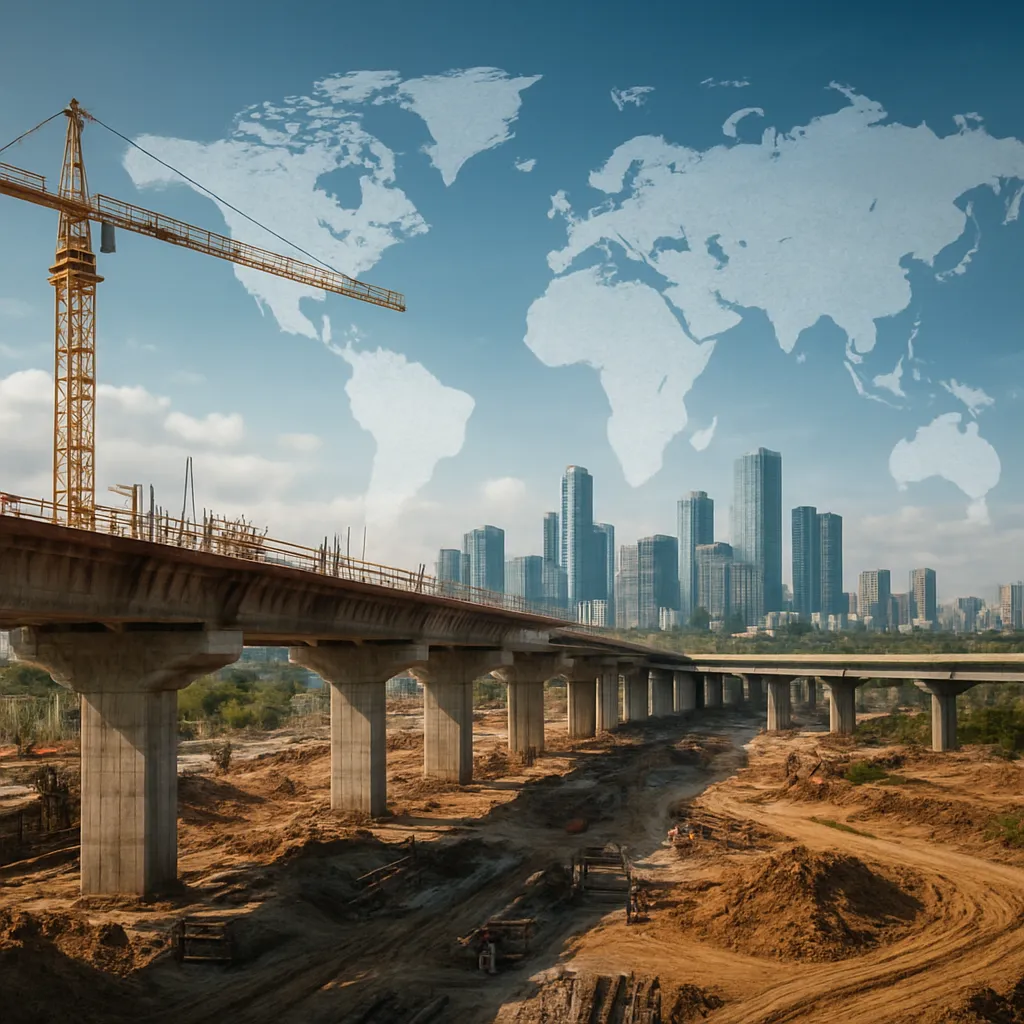
Robust infrastructure networks have long been recognized as pivotal drivers of economic transformation, enabling societies to harness resources, expand markets and elevate standards of living. Across continents, governments and private entities channel vast sums towards transportation corridors, energy grids and digital highways, aiming to spark sustainable growth and deepen international cooperation. This article examines the multifaceted influence of infrastructure development on world economic dynamics, exploring its foundational principles, regional spillovers and role in fostering technological progress and societal resilience.
Economic Foundations of Infrastructure Investment
When policymakers allocate capital to roads, ports and communication systems, they ignite a chain reaction that amplifies overall productivity. Improved logistics reduce transaction costs by slashing delivery times and minimizing waste. Modern power stations and broadband networks supply uninterrupted energy and data flow, allowing manufacturers and service providers to operate at optimal capacity. Such enhancements not only raise gross domestic product benchmarks but also attract foreign direct investment by signaling a stable environment conducive to business expansion.
Key economic effects include:
- Lowered production expenses owing to efficient distribution channels.
- Increased market access for peripheral regions, narrowing urban-rural disparities.
- Enhanced capacity utilization in industrial zones, triggering economies of scale.
By strengthening foundational assets, nations boost competitiveness on the global stage and lay the groundwork for further capital inflows and technological adoption.
Regional Connectivity and Trade Expansion
Seamless cross-border connectivity has redefined trade patterns, turning remote territories into dynamic nodes within international networks. Rail lines cutting through mountain ranges, deep-water ports handling container volumes and integrated customs platforms facilitate timely transactions and reduce logistical bottlenecks. Enhanced corridors link producers to consumers, lowering export barriers and fostering economic interdependence among neighboring states.
Cross-Border Corridors and Economic Corridors
Major projects, such as transcontinental rail routes or highway belts, serve as arteries for commerce:
- They enable efficient resource flows from mineral-rich hinterlands to manufacturing hubs.
- They support the rise of special economic zones, creating clusters of value-added industries.
- They reinforce supply chain resilience by offering alternate pathways during disruptions.
Such connections underpin regional trade agreements and stimulate private sector participation, bolstering industrial diversification and bridging income gaps across borders.
Technological Innovation and Sustainable Development
Recent years have witnessed a shift towards “smart” and green infrastructure, integrating digital technologies with environmental stewardship. Internet of Things sensors, data analytics platforms and automated management systems optimize resource distribution—be it electricity, water or traffic flows—while minimizing carbon footprints. Investments in renewable energy plants and eco-friendly transport systems underscore a commitment to long-term sustainability, ensuring that expansion does not compromise ecological balance.
Key technological trends include:
- Deployment of smart grids, enabling real-time monitoring and adaptive load balancing.
- Adoption of electric vehicle charging networks, reducing reliance on fossil fuels.
- Implementation of predictive maintenance tools, preventing costly infrastructure failures.
By fusing innovation with green principles, governments and enterprises cultivate resilient economies capable of adapting to climate challenges and fluctuating resource markets.
Societal Impact and Resilience
Beyond macroeconomic metrics, infrastructure initiatives create profound social ripple effects. Construction phases generate substantial employment, from skilled engineers to laborers, fueling household incomes and elevating community well-being. Operational stages sustain service-sector jobs, from logistics coordinators to maintenance technicians, solidifying local workforces. Strategic planning ensures that underserved areas gain access to essential utilities, promoting equity and reducing migration pressures on megacities.
Building durable networks also strengthens societal resilience in the face of natural disasters, health emergencies and geopolitical shocks. Reinforced bridges, flood-resistant embankments and distributed energy grids limit downtime and preserve critical functions during crises. Collaboration among stakeholders—including government agencies, private firms and civil society organizations—facilitates rapid response protocols and resource mobilization when disruptions occur.
The long-term benefits of robust infrastructure extend to improved public health outcomes, enhanced educational opportunities and greater social cohesion, as communities become less isolated and more interconnected.
Infrastructure’s Role in the Era of Globalization
In an increasingly interdependent world, infrastructure serves as the backbone of globalization. Shipping lanes linking continents, satellite systems enabling instantaneous communication and cross-border energy pipelines forge ties between distant economies. As supply chains stretch across multiple jurisdictions, reliable transport and data networks become indispensable for just-in-time manufacturing and international commerce.
Moreover, digital infrastructure levels the playing field for small and medium enterprises, granting them access to e-commerce platforms and global markets. By reducing entry barriers and fostering knowledge exchange, robust technological backbones empower even remote regions to participate in the global economy.
Ultimately, strategic infrastructure development is not merely about cement and steel—it is about weaving together economic, social and environmental threads into a cohesive tapestry that propels worldwide growth and shared prosperity.