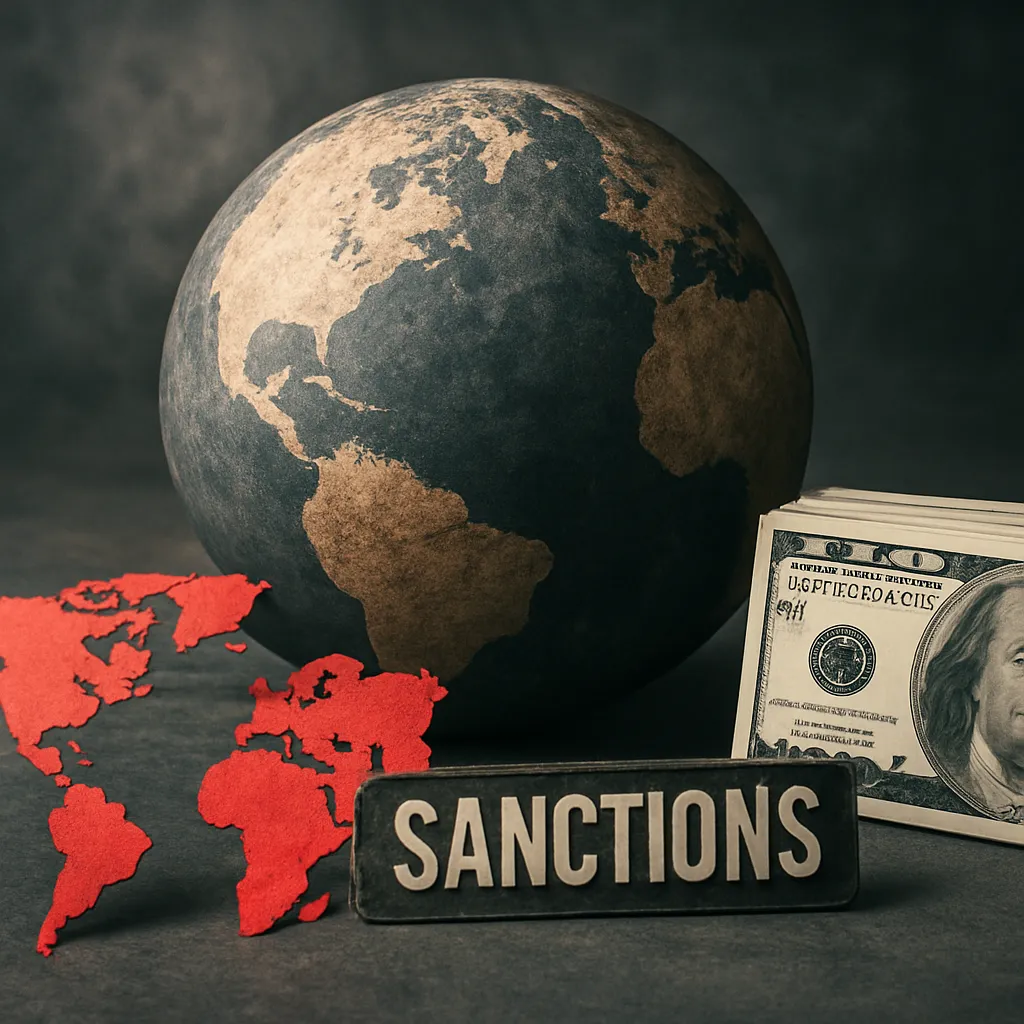
International sanctions have become a central tool of foreign policy, influencing everything from trade dynamics to financial flows. Decision-makers deploy these measures to pressure governments or entities into altering behavior while avoiding direct military confrontation. However, sanctions often reverberate across borders, affecting not only targeted states but also global markets and the broader economy. This article explores the objectives, mechanisms, and multifaceted consequences of international sanctions in the contemporary world.
Objectives and Mechanisms of International Sanctions
Governments and multilateral organizations use a variety of sanctions to achieve specific policy goals. Common objectives include deterring human rights abuses, preventing nuclear proliferation, and compelling compliance with international law. Core tools in the sanctions arsenal include:
- Asset freezes and currency restrictions, which limit access to foreign reserves and payment systems.
- Trade embargoes targeting commodities such as oil, metals, or luxury goods.
- Financial penalties, including limitations on cross-border investment and lending.
- Travel bans to isolate key individuals and reduce diplomatic engagement.
When combined, these measures can significantly deplete the targeted state’s reserves, raise the cost of borrowing on international markets, and disrupt its participation in the global financial system. Yet the design and enforcement of sanctions require careful calibration to avoid undue harm to civilian populations.
Economic Impact on Targeted States and Beyond
Sanctions aim to inflict economic pain on governments or organizations by reducing national income and growth rates. Key indicators of this impact include:
- Declining GDP growth as export revenues shrink and domestic industries suffer from input shortages.
- Rising inflation driven by supply disruptions and currency devaluation.
- Reduced public spending on social programs, leading to social unrest and humanitarian crises.
While the primary burden falls on the sanctioned nation, economic shocks can spill over: trading partners face disrupted supply chains and financial intermediaries incur compliance costs. For example, banks processing transactions for blacklisted entities may withdraw entirely from certain markets to avoid penalties, inhibiting legitimate investment and trade flows.
Impact on Trade, Finance, and Supply Chains
Modern supply chains are deeply interconnected. Sanctions that restrict the export of critical components—for instance, semiconductors or rare earth minerals—can halt manufacturing processes far from the original target. Other notable consequences include:
- Relocation of production facilities as companies seek alternative suppliers to maintain operations.
- Increased transaction costs stemming from enhanced due diligence and compliance requirements.
- Growth of informal or parallel markets, as businesses attempt to circumvent restrictions via third parties.
Financial markets also experience volatility when major economies impose sanctions. Currency traders adjust exchange rates based on expectations of reduced trade volumes, while bond yields for both sanctioned and sanctioning countries can fluctuate sharply. These dynamics underscore the complex nature of the modern economy.
Enforcement Challenges and Geopolitical Considerations
Effective sanctions rely on robust implementation and multilateral coordination. Single-country measures are often less potent, as entities may leverage permissive jurisdictions to evade restrictions. Major hurdles in enforcement include:
- Differences in legal frameworks across jurisdictions, which complicate cross-border investigations.
- Innovation in financial technology, including cryptocurrencies, that can be exploited for illicit transfers.
- Political divisions among allies, leading to fragmented responses and reduced overall efficacy.
The choice to impose or lift sanctions is inherently geopolitical, reflecting strategic interests and power dynamics. Overreliance on sanctions may backfire if it pushes targeted states toward alternative blocs, undermining long-term objectives and fostering adversarial partnerships.
Strategies for Mitigating Unintended Consequences
To preserve the integrity of sanctions while minimizing collateral damage, policymakers and businesses can adopt several strategies:
- Implement humanitarian exemptions to allow the delivery of food, medicine, and essential services.
- Develop clear guidance and centralize compliance procedures to reduce legal uncertainty for global corporations.
- Invest in risk assessment tools that monitor exposure to sanctioned entities in real time.
- Engage in diplomatic dialogue to complement economic measures with political negotiation.
These approaches can improve the precision of sanctions, enhancing their ability to target responsible actors without disrupting global trade and eroding economic resilience. As the international system evolves, so too must the tools used to maintain order and uphold norms.