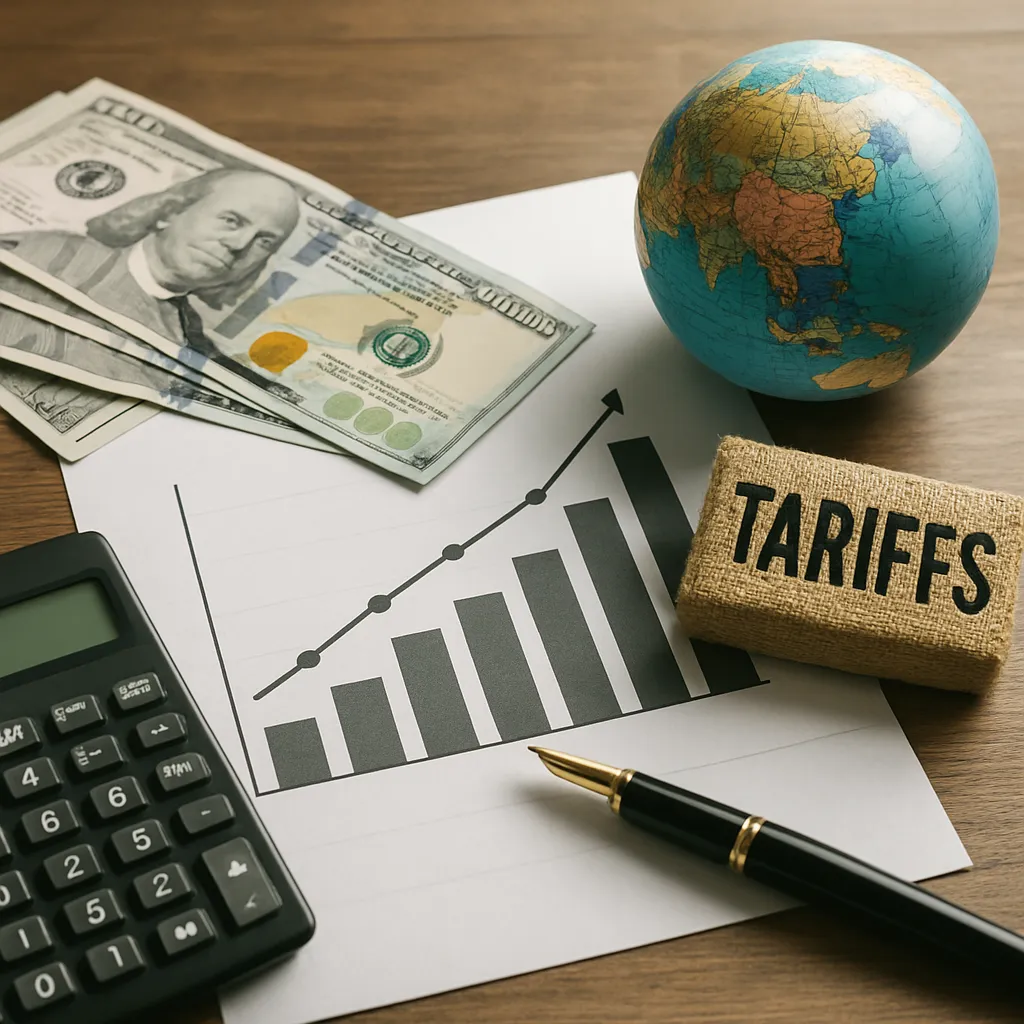
Global commerce has undergone profound transformations over the past century, driven by shifts in political priorities, technological advancements, and evolving market structures. Among these forces, international trade tariffs have emerged as a potent tool wielded by governments seeking to shield domestic industries or leverage negotiations. The **Economic Impact of International Trade Tariffs** extends far beyond simple price adjustments at the dock; it reverberates through supply chains, alters competitive landscapes, and triggers strategic responses that shape the broader **world economy**.
Tariffs and Global Trade Dynamics
Historical Perspective and Underlying Motivations
Tariffs, often defined as taxes imposed on imported goods, date back to antiquity but became especially prevalent during the mercantilist era. Rulers viewed high custom duties as both a revenue source and a means to cultivate national industry. Over time, the free trade movement of the 19th century challenged protectionist norms, advocating for lower or zero barriers under the belief that open markets yield greater prosperity. Yet, modern geopolitical frictions and perceived economic imbalances have rekindled interest in **protectionism**, making tariffs a central lever in contemporary trade policy.
Mechanisms of Tariff Implementation
Governments can deploy a variety of tariff structures to achieve policy goals. Key types include:
- Ad valorem tariffs: Calculated as a percentage of the product’s value, offering flexibility with changing market prices.
- Specific tariffs: Levied as a fixed fee per unit, simplifying administration but ignoring inflationary pressures.
- Mixed tariffs: Combining percentage-based and fixed components to balance revenue and simplicity.
These instruments are often accompanied by complementary measures—such as quotas, subsidies, or regulatory standards—that reinforce domestic market positions while discouraging foreign competition.
Economic Consequences for Exporters and Importers
Effects on Exporting Nations
When a country enacts tariffs on imported goods, trading partners frequently experience reduced demand for their exports. Manufacturers face significant challenges:
- Declining sales volumes lead to lower **revenues** and underutilized production capacity.
- Investments in innovation may stagnate as profit margins shrink under tariff pressure.
- Strategic realignment becomes necessary, pushing exporters to seek alternative markets or diversify product lines.
Such disruptions can provoke ripple effects in economies heavily reliant on exports of commodities, electronics, or automotive parts, potentially undermining GDP growth and employment.
Effects on Domestic Consumers and Producers
On the receiving end, domestic consumers often bear the brunt of higher prices. Tariffs increase the landed cost of imported goods, translating into inflationary pressures on everyday items—from clothing to consumer electronics. Key outcomes include:
- Elevated retail prices diminish purchasing power, particularly affecting lower-income households.
- Local producers may gain a temporary competitive edge, yet they face higher input costs if reliant on imported raw materials.
- Overall market **competitiveness** may decline, as protected firms lack incentives to innovate or improve efficiency.
In sectors integrated into global **supply chain** networks, even minimal tariffs can cascade across multiple tiers, magnifying cost impacts and challenging just-in-time delivery models.
Policy Responses and Long-Term Implications
Retaliation and the Escalation of Trade Wars
A common countermeasure to unilateral tariffs is retaliation. Affected countries may impose reciprocal duties, prompting a tit-for-tat spiral often termed a “trade war.” History attests that prolonged escalations can damage global growth, stoke geopolitical tensions, and undermine institutions designed to facilitate dispute resolution, such as the World Trade Organization.
Role of Multilateral Negotiations and Trade Agreements
While bilateral tariff battles capture headlines, many nations prefer multilateral frameworks to secure long-lasting commitments. **Trade agreements**—ranging from regional pacts to global accords—seek to reduce or eliminate tariffs through negotiated schedules. Notable examples include:
- Regional Comprehensive Economic Partnership (RCEP)
- United States–Mexico–Canada Agreement (USMCA)
- Various sectoral accords under the WTO umbrella
These treaties often contain dispute settlement mechanisms that mitigate the risk of unchecked retaliation, fostering a more predictable trading environment.
Socioeconomic and Political Ramifications
Beyond GDP metrics, tariffs influence inequality, employment patterns, and voter sentiment. Protectionist measures can bolster support among certain labor groups but may alienate service-sector workers and urban consumers. Political leaders must therefore weigh immediate gains against potential social discontent engendered by higher living costs and reduced access to diverse goods.
Future Outlook and Strategic Considerations
As digitalization, decarbonization, and reshoring trends reshape global commerce, the strategic deployment of tariffs will likely evolve. Policymakers face a delicate balancing act: ensuring national security and promoting domestic industry without triggering debilitating cycles of **retaliation** or jeopardizing integrated markets. Innovations such as carbon border adjustments, digital service levies, and targeted anti-dumping duties exemplify how tariff regimes are adapting to 21st-century challenges.
Key factors shaping the trajectory of trade tariffs include:
- Emergence of new economic powers vying for market share
- Growing emphasis on environmental and labor standards in trade policy
- Technological shifts reducing the feasibility of large-scale offshoring
Understanding the multifaceted repercussions of tariffs remains crucial for stakeholders across governments, industries, and civil society. As the global economy navigates uncertainties—from geopolitical rivalries to climate change—tariffs will continue to serve as both a shield and a sword in the pursuit of national and collective objectives.