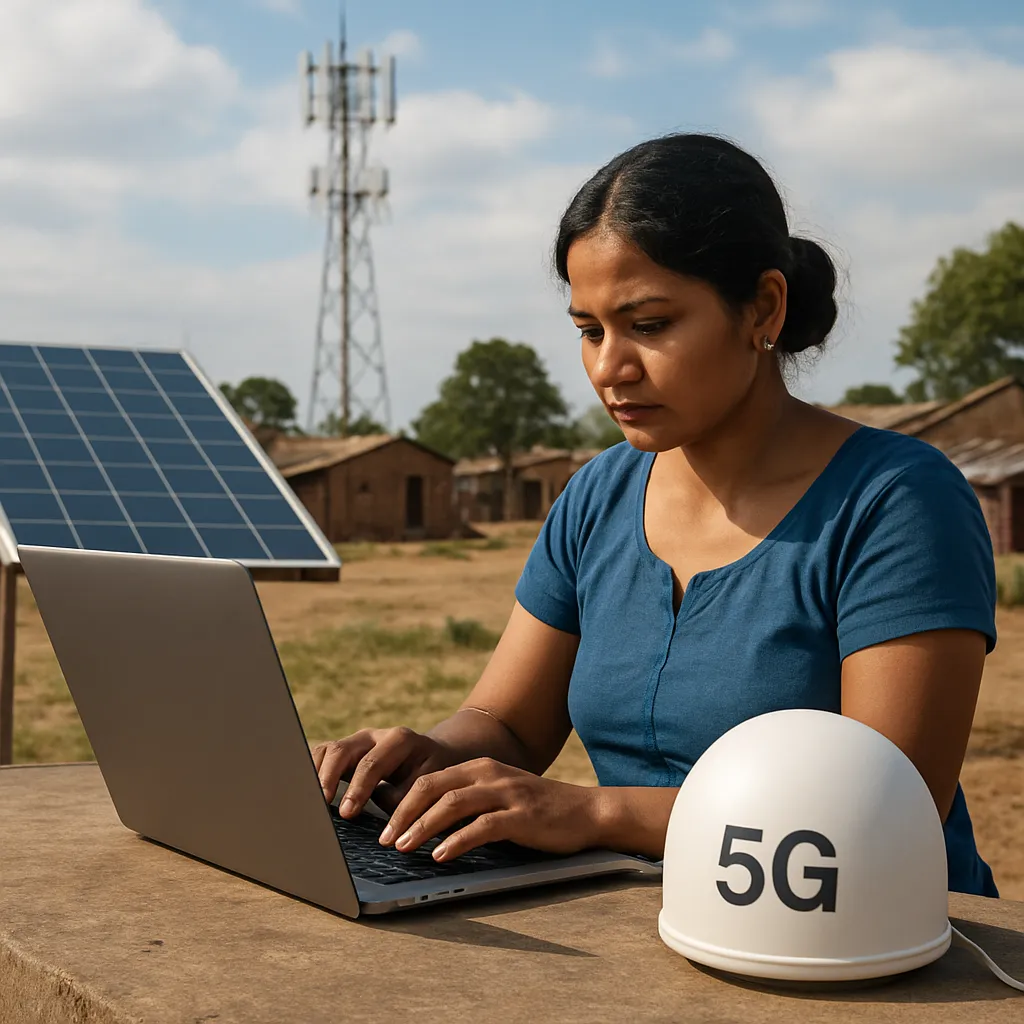
The rapid diffusion of mobile devices, artificial intelligence, and renewable energy systems is reshaping the global economic landscape. For many low- and middle-income nations, these innovations represent a chance to bypass outdated models and pursue accelerated growth trajectories. By harnessing emerging technologies, governments and private sector actors in developing regions are exploring new pathways toward financial inclusion, productivity gains, and environmental resilience. However, this transformation also raises significant questions about digital divides, regulatory frameworks, and long-term sustainability goals. This article examines key dimensions of how innovation spreads across developing economies, the obstacles that must be navigated, and the policy levers that can maximize positive outcomes without exacerbating existing inequalities.
Technological Leapfrogging and Economic Growth
Many developing countries are sidestepping legacy infrastructures by adopting cutting-edge solutions directly. This phenomenon, often termed “leapfrogging,” allows states to capitalize on the latest advancements in sectors such as financial services, agriculture, and energy. In sub-Saharan Africa, for instance, the proliferation of smartphone apps and mobile money platforms has revolutionized how individuals save, borrow, and transact. By eliminating the need for extensive brick-and-mortar bank networks, nations can foster greater inclusion among previously unbanked populations.
- Mobile connectivity: Over 60% of adults in emerging markets now own a smartphone, enabling access to cloud-based services and e-learning portals.
- Digital finance: Peer-to-peer lending and blockchain wallets provide novel channels for credit and cross-border remittances, reducing costs and increasing transparency.
- Smart agriculture: IoT sensors and drone monitoring improve crop yields by offering real-time data on soil moisture, pest activity, and weather patterns.
In Southeast Asia, microelectronics manufacturers are leveraging local talent pools to assemble and test components, creating jobs and building domestic expertise. Such initiatives demonstrate how the integration of digital tools with traditional industries can generate a multiplier effect. Yet the pace of growth is uneven, and countries that fail to invest in robust infrastructure risk falling behind peers that attract more foreign direct investment.
Challenges in Infrastructure and Human Capital
While the potential for accelerated development is immense, there are structural hurdles that can impede progress. Reliable electricity grids, high-speed broadband networks, and efficient logistics systems form the backbone of a truly digital economy. In many rural regions, however, power outages remain common and internet latency is high. Without targeted investments in digital and physical infrastructure, new services cannot reach the communities that need them most.
A skilled workforce is another critical component. Emerging technologies like machine learning and advanced robotics demand a level of technical know-how that is often in short supply. Educational institutions in developing countries must update curricula to include coding, data analysis, and cybersecurity training. Partnerships with global tech firms can facilitate this process by offering internships, certification programs, and remote mentorship. Nevertheless, a brain drain frequently occurs as top talent migrates to developed markets seeking higher salaries and better career prospects.
Governments and NGOs are responding by launching capacity-building initiatives aimed at retaining talent. Examples include:
- Tech hubs and incubators that provide workspace, mentorship, and seed funding for local entrepreneurs.
- Scholarship programs focused on STEM disciplines, coupled with compulsory return service periods in underdeveloped regions.
- Public-private alliances that sponsor hackathons, coding boot camps, and nationwide digital literacy campaigns.
These measures can help bridge skill gaps and foster an ecosystem where innovation thrives. Equally important is ensuring equitable access: without deliberate efforts to include marginalized groups—women, indigenous populations, and low-income households—the benefits of technology may remain concentrated among urban elites.
Policy, Investment, and Sustainable Development
Effective policy frameworks are essential for channeling both domestic and global capital into long-term projects. Regulatory clarity around data protection, intellectual property, and competition can unlock private sector funding. In Latin America, several countries have enacted digital economy strategies that outline national priorities and set targets for broadband penetration, e-government adoption, and tech start-up growth.
International financial institutions are also playing a pivotal role. The World Bank and regional development banks have increased lending for projects that combine renewable energy with off-grid mini-grids, expanding access in isolated communities. This is one way to address two goals simultaneously: decarbonizing energy systems and fostering economic activity in under-resourced areas.
Moreover, the underlined concept of the Fourth Industrial Revolution highlights the convergence of technologies across physical, digital, and biological spheres. To harness this moment, developing nations must:
- Design innovation-friendly policies that lower barriers to entry for tech entrepreneurs.
- Negotiate technology transfer agreements to build local manufacturing capacity.
- Implement social safety nets that mitigate transitional job losses caused by automation.
By aligning investment flows with environmental and social objectives, countries can pursue a balanced development model that emphasizes both economic expansion and inclusive growth. Successful examples include solar microfinance schemes in South Asia and telemedicine networks in East Africa, which combine sustainability principles with direct community impact.
Conclusion of Key Insights
As emerging technologies continue to evolve, the stakes for developing economies will only rise. Prioritizing digital infrastructure, human capital development, and sound regulatory environments can position these nations at the forefront of global innovation. The journey will require coordinated efforts among governments, private enterprises, and international partners to ensure that the transformative power of technology results in broad-based prosperity and resilience against future shocks.