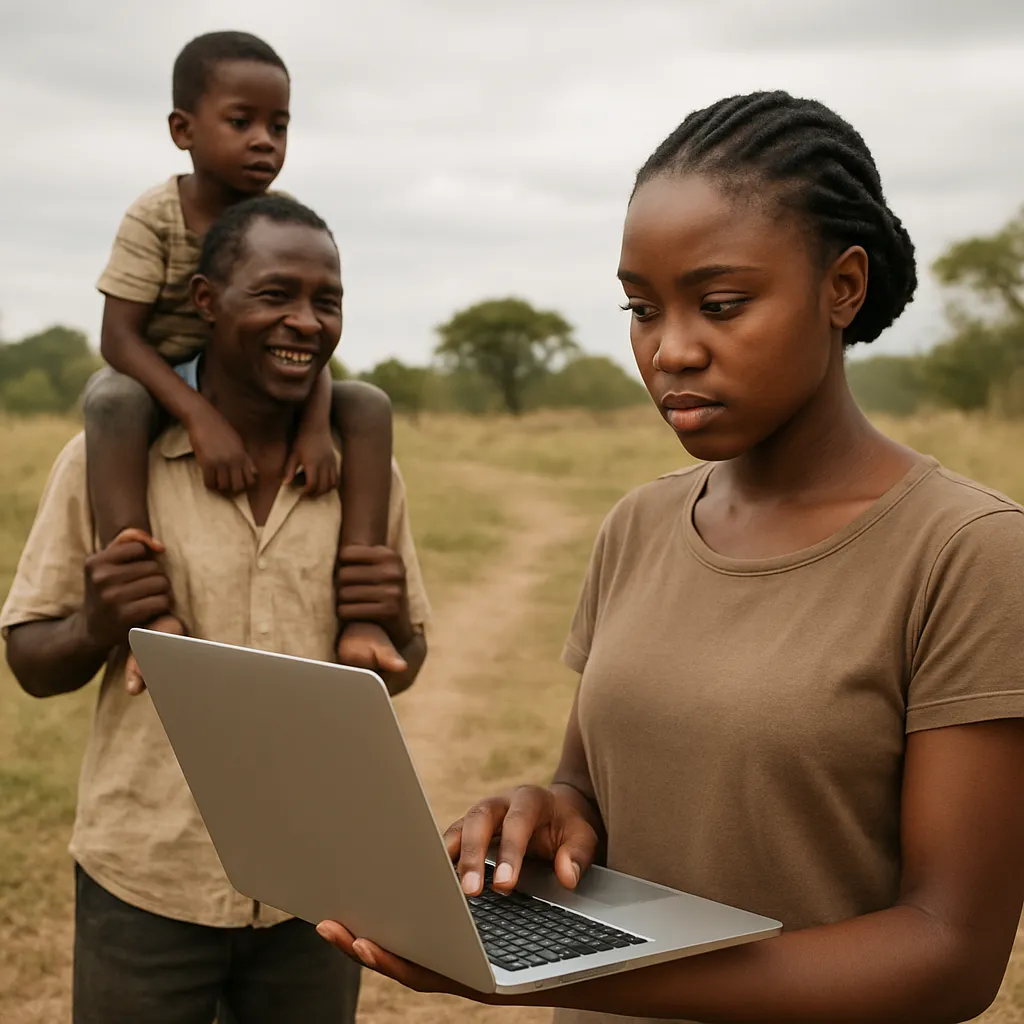
The recent trajectory of Sub-Saharan Africa has captured global attention as economies in the region register unprecedented rates of growth. Driven by a combination of natural resource wealth, demographic shifts, and evolving policy frameworks, these nations are redefining their role within the world economy. This article explores the multifaceted impacts of this transformation, examining both the opportunities it creates and the obstacles it raises for sustainable development.
Economic Drivers and Structural Shifts
Over the past two decades, several countries across the region have experienced annual GDP increases exceeding 5 percent. Key catalysts include rising investment in extractive industries, improvements in macroeconomic stability, and expanding channels for foreign direct investment (FDI). At the same time, technological adoption in sectors such as mobile banking and renewable energy is contributing to a gradual diversification away from traditional commodity dependence.
Natural Resources and Export Dynamics
- Minerals and hydrocarbons continue to account for a large share of export revenues, creating windfalls that governments often reinvest in public projects.
- Volatility in global commodity prices, however, underscores the need for greater diversification to mitigate external shocks and preserve macroeconomic resilience.
- Regional trade agreements, notably those under the African Continental Free Trade Area (AfCFTA), hold the promise of expanding intra-African commerce and reducing reliance on external markets.
Demographics and Labor Markets
A rapidly growing labor force—predicted to add over 200 million workers by 2030—presents both a dividend and a challenge. With a median age below 20 in many countries, the region has a unique opportunity to harness youthful energy for productive employment.
- Investments in vocational training and skills development are critical for matching workforce capabilities to emerging sectors such as information technology and agribusiness.
- Urbanization trends, while driving demand for housing and services, also strain existing infrastructure, highlighting a need for coordinated urban planning.
Social Impact and Poverty Reduction
One of the most tangible benefits of robust economic expansion is a reduction in extreme poverty. According to recent World Bank estimates, the proportion of people living on less than US$1.90 per day in the region has declined significantly since the early 2000s. Enhanced access to education, health care, and financial services has accompanied this trend, fostering improvements in quality of life.
Education and Human Capital
Rising public and private spending on education has translated into higher enrollment rates at primary and secondary levels. Countries are experimenting with digital classrooms and e-learning platforms, aiming to close urban-rural divides. Yet challenges remain:
- Teacher training and retention struggles persist, particularly in remote communities.
- Curriculum relevance must evolve as economies transition toward more skill-intensive industries.
Healthcare and Well-Being
Economic expansion has afforded governments greater fiscal space to invest in health infrastructure, vaccination programs, and maternal care initiatives. Life expectancy has improved, while the burdens of communicable diseases are gradually being managed through public-private partnerships. Still, disparities in access and quality of services continue to hamper equitable outcomes.
Challenges: Governance, Inequality, and Environmental Risks
Despite positive indicators, the path to inclusive development is fraught with hurdles. Concerns over institutional quality, corruption, and political instability threaten to erode public trust and deter critical investment. Moreover, the benefits of growth are often unevenly distributed, exacerbating inequality both within and between countries.
Institutional Weaknesses
- Inefficient public procurement processes and opaque budgetary systems can lead to misallocation of resources.
- Efforts to strengthen anti-corruption agencies and judicial independence remain a work in progress across many capitals.
Environmental and Climate Pressures
Sub-Saharan Africa is uniquely vulnerable to climate change, with recurring droughts, floods, and desertification threatening agricultural yields and food security. The race to exploit oil and gas reserves in fragile ecosystems poses trade-offs between short-term gains and long-term sustainability. Adaptation efforts are underway:
- Investments in climate-smart agriculture aim to boost productivity while preserving soil and water resources.
- Renewable energy projects, notably solar and wind farms, reduce reliance on carbon-intensive power generation and improve rural electrification rates.
Opportunities for the Future: Integration and Innovation
Looking ahead, the region’s prospects hinge on deepening regional integration, fostering innovation ecosystems, and enhancing policy coordination. By leveraging digital platforms and cross-border infrastructure corridors, Sub-Saharan African countries can build economic corridors that generate value-added linkages.
Regional Value Chains
Under the AfCFTA framework, member states are lowering tariffs and harmonizing regulatory standards to facilitate the movement of goods, services, and labor. Upcoming projects, such as the Trans-African Highway Network, illustrate how physical connectivity can translate into economic synergy.
Digital Transformation and SMEs
- Fintech solutions are unlocking new opportunities for small and medium enterprises (SMEs), allowing them to access credit and scale operations.
- Incubator hubs in major cities are nurturing startups focused on areas like e-commerce, healthtech, and agritech, showcasing the region’s capacity for digital-led leapfrogging.
Strengthening Governance and Institutional Capacity
Transparent budgeting, e-governance platforms, and civic tech initiatives empower citizens and bolster accountability. Collaborative efforts between international organizations and local stakeholders are helping to upgrade public administration systems and combat corruption.
Building Resilience Through Sustainable Practices
Ultimately, ensuring that economic gains endure requires a concerted focus on governance reforms, environmental stewardship, and social inclusion. Countries that embrace forward-looking policies on renewable energy, digital literacy, and equitable service delivery will be better positioned to transform temporary booms into lasting prosperity. As global demand shifts and new challenges emerge, Sub-Saharan Africa’s ability to adapt will define its role in the coming decades of the world economy.