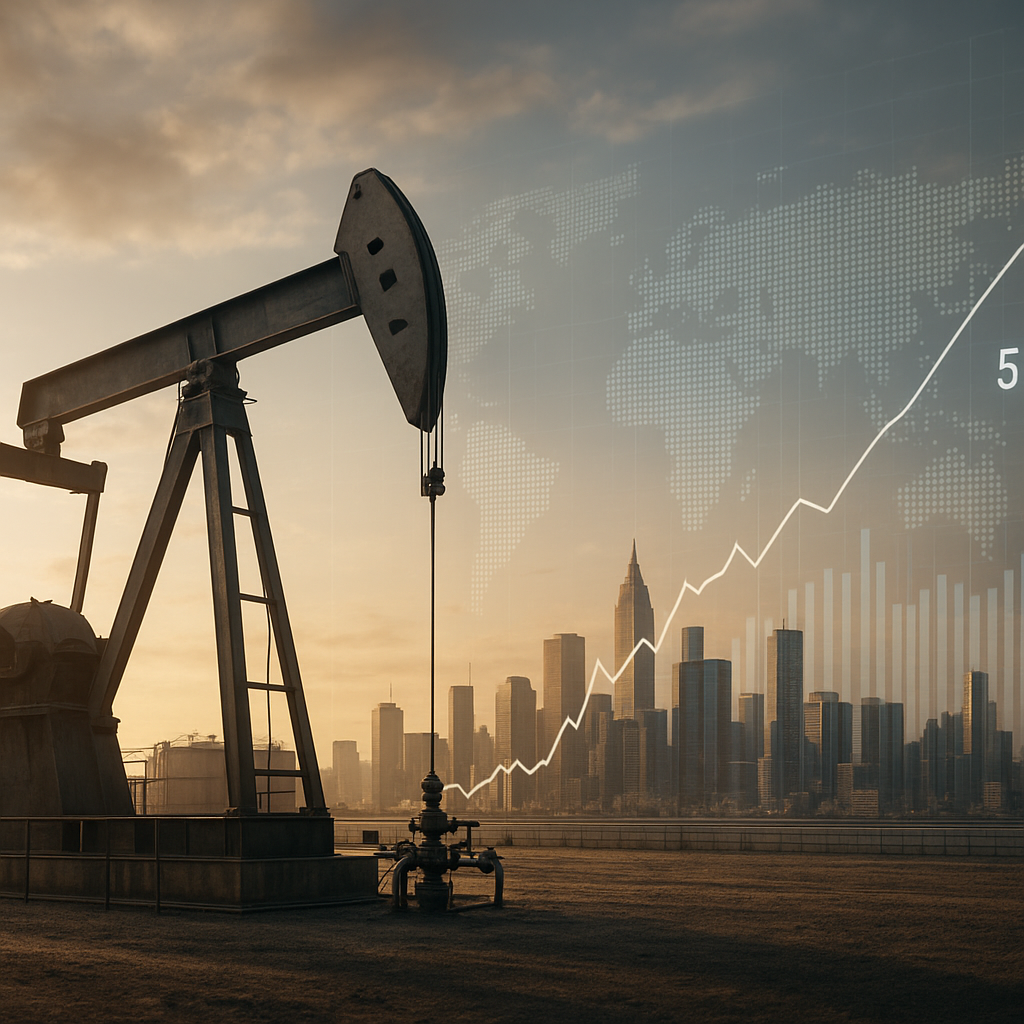
The global energy landscape is undergoing a profound transformation as nations grapple with the dual imperatives of economic growth and environmental stewardship. At the heart of this shift lies the enduring significance of oil, a commodity whose influence on the economy remains unparalleled. From fluctuations in crude prices to the strategic maneuvering of major producers, the future of this fossil fuel will shape fiscal policies, trade balances, and geopolitical alliances for decades to come. This article explores the evolving dynamics of the oil industry, examining market trends, geopolitical tensions, the accelerating energy transition, and technological innovations that will define the 21st-century global energy order.
Global Market Trends and Forecasts
The global oil market has always been characterized by complex interactions between supply and demand. Over recent years, a mix of pandemic-induced disruptions, OPEC+ production strategies, and shifting consumer behavior has led to unprecedented volatility. As industrial activity rebounds in emerging markets and digital economies, analysts predict a gradual uptick in energy consumption, though tempered by a growing emphasis on sustainability.
Demand Drivers in Emerging Economies
- Rapid urbanization in Asia and Africa fueling transportation and industrial needs.
- Infrastructure investments boosting construction and power generation.
- Rising middle-class incomes increasing personal vehicle ownership.
Supply-Side Developments
- OPEC+ agreements continue to coordinate output to stabilize prices.
- Non-OPEC production, particularly from shale plays, adding flexibility but also unpredictability.
- Geological and technological limits shaping long-term extraction rates.
Geopolitical Dynamics and Strategic Alliances
Control over oil reserves has long been a cornerstone of geopolitical strategy. The interplay between major producers and consuming nations extends far beyond simple trade relationships, encompassing aspects of national security, diplomatic leverage, and global governance. As superpowers jockey for influence in key regions, the energy resource in question remains a potent tool of statecraft.
OPEC’s Role and Internal Challenges
The Organization of the Petroleum Exporting Countries (OPEC) wields considerable sway over global supply levels. Yet internal disagreements—driven by differing fiscal needs and domestic priorities—pose a constant threat to cohesive policy. Recent tensions between members have highlighted the fragility of collective decision-making, especially when market conditions diverge from national budgets.
Major Power Rivalries
- United States: Shale revolution bolstering energy independence and exporting capacity.
- Russia: Leveraging pipeline politics to influence European energy security.
- China: Securing long-term contracts and equity stakes in overseas fields to guarantee stable imports.
Economic Impacts of the Energy Transition
The global push toward decarbonization is accelerating investments in renewable energy sources, electric vehicles, and carbon capture technologies. While these developments promise to reduce greenhouse gas emissions, they also carry significant implications for oil-dependent economies and financial markets. The transition will necessitate careful balancing of short-term economic interests with long-term environmental goals.
Fiscal Revenues and Budgetary Pressures
- Oil-exporting states face declining export receipts, forcing diversification initiatives.
- Subsidy reforms and fiscal restructuring become critical to maintain social stability.
- New revenue streams—from tourism to green manufacturing—are emerging as alternatives.
Investment Flows and Capital Allocation
As global investors increasingly incorporate Environmental, Social, and Governance (ESG) criteria, capital is shifting toward cleaner energy projects. This reallocation presents both risks and opportunities for traditional oil companies, which must adapt through strategic mergers, acquisitions, and divestitures. The scale of investment needed to modernize refineries, upgrade drilling equipment, and develop carbon capture units will be staggering, yet essential for maintaining relevance in a decarbonizing world.
Technological Innovations Shaping Oil’s Future
Innovation remains a driving force in extending the productive life of existing oil fields and unlocking new reserves. From digitalization to advanced recovery methods, technology is redefining upstream and downstream operations. These advancements not only improve efficiency but also help reduce emissions associated with extraction and refining.
Enhanced Oil Recovery and Reservoir Management
- Carbon dioxide injection and chemical flooding techniques boosting extraction rates.
- Real-time reservoir monitoring using IoT sensors and data analytics.
- Machine learning models predicting optimal drilling locations and reducing dry wells.
Downstream Efficiency and Emissions Control
- Hydrocracking and catalytic upgrading delivering cleaner fuels.
- Electrification of processing units to lower carbon footprints.
- Digital twins optimizing plant performance and minimizing downtime.
As the world navigates the intersection of economic growth and environmental imperatives, the future of oil will be defined by adaptability and innovation. Both producers and consumers must engage in forward-looking strategies to ensure a stable supply of energy while advancing toward a more sustainable global economy.