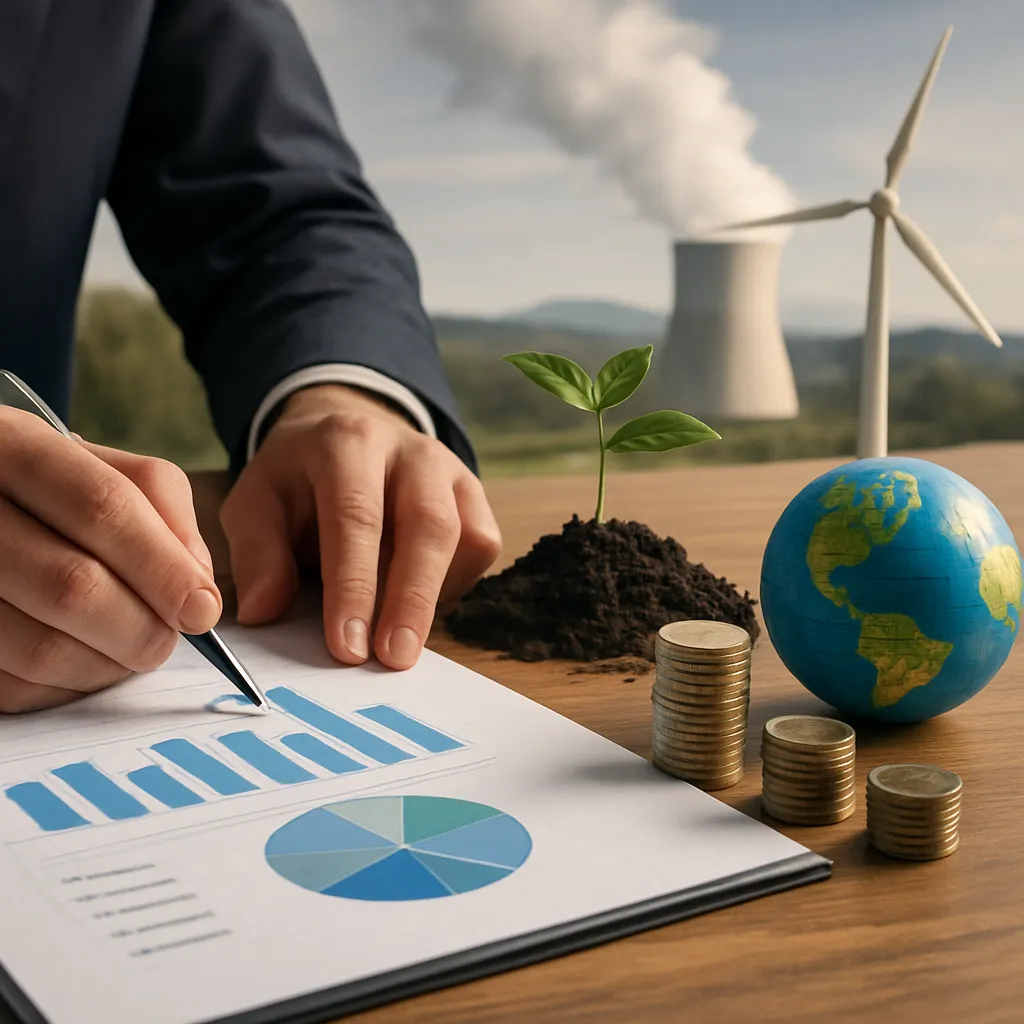
Rising temperatures and shifting weather patterns pose unprecedented challenges across the world economy. As nations grapple with mounting social and environmental pressures, the emphasis has shifted from mitigation alone to proactive adaptation measures capable of enhancing collective resilience. Recognizing that every region faces unique threats—from coastal flooding to prolonged droughts—governments, businesses, and communities must coordinate multi-sectoral efforts that balance short-term urgencies with long-term sustainability goals.
Economic Impacts of Climate Vulnerability
Climate hazards translate directly into economic losses when infrastructure is damaged, agricultural yields collapse, and supply chains are disrupted. Coastal megacities face escalating costs as sea levels rise, requiring expensive fortifications or repeated evacuations. In agricultural economies, erratic precipitation and heatwaves undermine food security, eroding farm incomes and driving up global commodity prices. Small Island Developing States (SIDS) and least-developed countries bear a disproportionate share of these burdens, despite contributing minimally to global greenhouse gas emissions.
Quantifying the vulnerability of different sectors is critical for prioritizing investments. Urban centers might allocate funds to stormwater management and green roofs, whereas rural regions may require drought-resistant crop varieties and efficient irrigation. The International Monetary Fund and World Bank have underscored the need for integrated risk assessments that consider both direct damages—such as property loss—and indirect impacts like wage reductions and increased insurance premiums.
Insurance markets, once buoyant, now face spiraling claims that force premium hikes or coverage withdrawals. As insurers retreat from high-risk areas, governments are often left underwriting disaster relief, which reallocates budgetary resources away from development and social programs. This dynamic magnifies fiscal pressures, compelling policymakers to explore novel funding mechanisms that can absorb climate shocks without undermining economic growth.
- Infrastructure strengthening: retrofitting bridges, roads, and ports to endure extreme events
- Financial safeguards: establishing catastrophe bonds and risk-pooling facilities
- Early warning systems: leveraging technology to reduce human and asset exposure
- Community-based approaches: empowering local stakeholders in adaptation planning
Financing Strategies for Adaptation
Securing sufficient resources for adaptation remains a formidable obstacle. Developed countries pledged annual aid flows, yet many commitments fall short of the estimated $200–300 billion required each year by 2030. To bridge this gap, a blend of public and private investment is essential. Multilateral development banks play a pivotal role by providing concessional loans and technical assistance, thereby de-risking projects for commercial financiers.
Innovative financial instruments have emerged to channel capital toward adaptation initiatives. Green bonds, for example, enable municipalities to raise funds specifically for projects that enhance climate resilience. Meanwhile, catastrophe bonds transfer part of the financial risk to global investors, reducing the fiscal burden on national treasuries when disasters strike. Blended finance structures combine philanthropic grants with private equity, offering stronger returns while advancing social and environmental outcomes.
Nevertheless, mobilizing private capital requires clearer regulatory frameworks and reliable metrics. Many investors demand standardized impact assessments to measure how adaptation projects deliver long-term economic benefits. Performance-based contracts have been piloted in water management and coastal defense, tying payments to measurable outcomes such as flood reduction or water savings. Such approaches align profit incentives with public welfare, promoting sustainable solutions over ad hoc relief efforts.
Scaling Community-Level Initiatives
At the grassroots, microfinance and insurance programs help vulnerable households recover from weather shocks. By providing access to low-interest loans for resilient housing upgrades or climate-smart agricultural inputs, local banks can bolster income stability. Index-based insurance—payouts triggered by predetermined climate thresholds—offers transparency and speed, mitigating the delays typical in traditional claims processes.
Leveraging Private Sector Partnerships
Corporations are increasingly recognizing that supply chain interruptions pose material risks to profitability. As a result, many global firms collaborate with governments to co-finance adaptation infrastructure, such as water treatment plants and flood barriers. Public-private partnerships (PPPs) reduce execution risks and harness specialized expertise, enabling scalable solutions that neither sector could deliver alone. However, equitable benefit-sharing and community consent remain essential to ensure projects serve public interests.
Global Governance and Policy Frameworks
Coordinating adaptation across national borders demands robust policy frameworks and international cooperation. Under the Paris Agreement’s Adaptation Communication process, countries outline their priorities, track progress, and report financial needs. The Global Commission on Adaptation advocates for an inclusive approach—integrating climate risks into central bank regulations, urban planning codes, and national development strategies.
Trade policies must also adapt to the changing climate. For example, tariffs on climate-resilient technologies can deter their diffusion in lower-income markets, exacerbating inequality. Harmonizing standards and reducing non-tariff barriers can accelerate access to drought-tolerant seeds, flood-proof materials, and early warning technologies. Similarly, integrating adaptation clauses into trade agreements incentivizes exporters and importers to invest in durable, environment-friendly practices.
Equitable access to adaptation resources hinges on equity considerations. Vulnerable communities—particularly indigenous peoples and marginalized populations—often lack the political capital to influence decision-making. International funds must prioritize projects that deliver direct benefits to those most at risk, ensuring local voices shape program design and implementation. Digital platforms for participatory budgeting and grievance redress mechanisms can enhance transparency and accountability.
Climate justice emerges as a cornerstone of effective adaptation, demanding that wealthier nations honor their moral and legal obligations. Through mechanisms like the Loss and Damage Fund, developed countries provide grants and concessional financing to those hit hardest by irreversible climate impacts. This not only addresses immediate humanitarian needs but also fosters trust and solidarity in the global community.
Governance Innovations
Innovations in governance include climate risk disclosure mandates for corporations and national adaptation planning that spans sectors. Central banks are integrating climate stress tests to evaluate banking sector exposure to physical and transition risks. By embedding adaptation into economic policy, regulators encourage financial institutions to allocate capital toward projects that reduce systemic vulnerabilities.
At the municipal level, urban coalitions share best practices on resilient design and emergency preparedness. Networks like C40 Cities facilitate knowledge exchange, allowing city planners to replicate successful flood management or heat mitigation strategies. Such horizontal cooperation complements vertical integration—aligning local initiatives with national adaptation frameworks to achieve coherence and synergy.
Ultimately, the interplay between economics and climate adaptation shapes the trajectory of global development. Financing mechanisms, policy reforms, and governance structures must evolve in tandem to safeguard livelihoods and preserve economic stability. By prioritizing strategic investments, fostering private-public collaboration, and embedding equity in every decision, the international community can forge a more resilient, prosperous future.