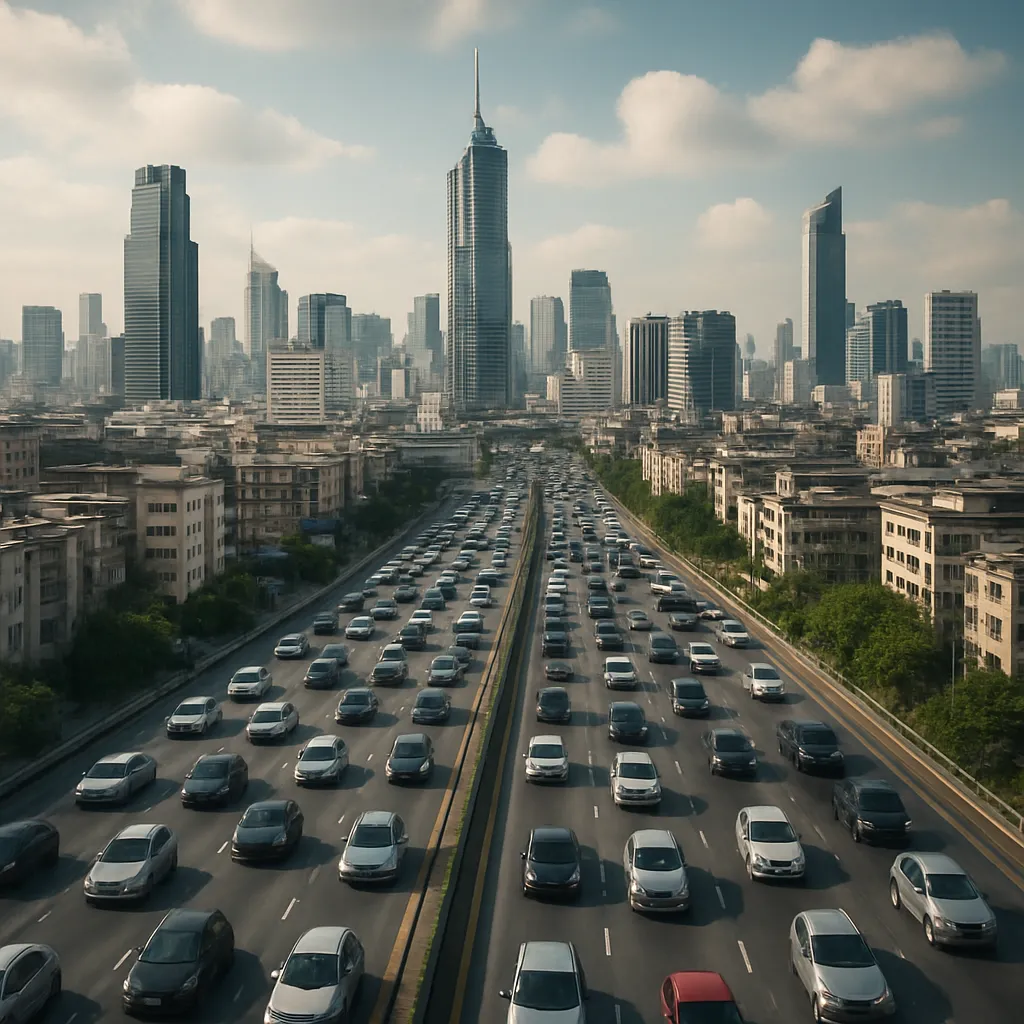
The rapid transformation of rural landscapes into bustling cityscapes has become a defining feature of the modern world economy. As millions migrate in search of opportunity, the dynamics of trade, production, and consumption are profoundly reconfigured. Urban centers emerge as engines of economic growth, influencing supply chains, driving technological adoption, and reshaping global markets. This article explores the multifaceted ways in which urbanization shapes the world economy, examining the forces propelling urban expansion, the economic benefits and risks of dense settlements, and the strategic investments needed to ensure inclusive prosperity.
Driving Forces Behind Urban Expansion
Migration from rural to urban areas is propelled by a combination of demographic shifts, technological advances, and evolving policy frameworks. While fertility rates decline in many developed countries, high population growth persists in emerging economies, creating a steady influx of young workers into cities. Equally important is the globalization of labor markets and the diffusion of information technologies, which lower the barriers to entry for businesses in urban regions.
- Rural-urban migration: Job seekers pursue higher wages, better social services, and improved quality of life.
- Policy incentives: Special economic zones and urban development grants encourage the concentration of industry.
- Technological change: Improvements in transport and digital connectivity make cities more accessible and efficient.
- Global supply chains: Proximity to ports, airports, and logistics hubs fosters international trade links.
These factors interact to create a feedback loop: as cities grow, they attract more firms and talent, which in turn accelerates further agglomeration. Such clustering effects underpin the competitive advantage of metropolitan areas in today’s interconnected economy.
Economic Impacts of Urban Concentration
Agglomeration Economies and Productivity
One of the most striking benefits of urbanization is the phenomenon of agglomeration economies, whereby firms and workers benefit from spatial proximity. Shared infrastructure, a diversified labor pool, and the rapid diffusion of ideas all contribute to heightened productivity. Industries as varied as software development, finance, and creative arts thrive in city environments where collaboration and competition coexist.
- Reduced transaction costs due to better physical and digital networks.
- Knowledge spillovers that spark innovation and accelerate learning.
- Enhanced specialization of labor that drives efficiency gains.
These gains are not limited to traditional manufacturing. Service industries, such as healthcare, education, and hospitality, leverage urban density to reach a critical mass of clients and skilled personnel. As a result, metropolitan GDP per capita often outstrips national averages, reinforcing the pull of urban centers.
Innovation Hubs and Technology Adoption
Urban agglomerations frequently evolve into innovation hubs, where universities, startups, and established corporations co-locate. The close-knit ecosystem supports rapid prototyping, venture capital formation, and the scaling of new technologies. Whether in Silicon Valley, Shenzhen, or Berlin, successful metropolitan clusters share a commitment to research-intensive industries and collaborative networks.
Moreover, cities serve as testbeds for emerging solutions in areas such as renewable energy, smart mobility, and digital governance. Municipal governments often partner with private firms to pilot initiatives that would be difficult to deploy at a national scale overnight.
Infrastructure and Investment Patterns
Sustaining the momentum of urban expansion requires massive investments in both hard and soft infrastructure. Transport networks, energy systems, water and sanitation facilities, and affordable housing are critical to maintaining urban livability. Simultaneously, digital infrastructure—broadband connectivity, data centers, and IoT platforms—has become indispensable for modern commerce and service delivery.
- Public transportation: Metro lines, bus rapid transit, and bike-sharing schemes alleviate congestion and reduce emissions.
- Energy grids: Smart grids and renewable integration ensure reliable power for millions of residents.
- Housing: Mixed-use developments and affordable housing initiatives help mitigate cost-of-living pressures.
- Digital networks: 5G deployment and fiber-optic expansion enable remote work and e-commerce growth.
Strategic investment in these areas often involves innovative financing mechanisms, such as public-private partnerships (PPPs), green bonds, and urban opportunity funds. International financial institutions also play a pivotal role by providing concessional loans and technical assistance to city administrations in developing regions.
Social Equity and Sustainability Challenges
Despite the advantages of dense urban living, rapid urbanization can exacerbate inequality and strain municipal services. Slum formation, traffic congestion, air pollution, and inadequate healthcare access remain persistent issues in many megacities. Addressing these challenges requires a holistic approach that balances growth with environmental stewardship and social inclusion.
- Inclusive zoning policies to ensure affordable housing and prevent segregation.
- Green urban planning that prioritizes parks, urban agriculture, and carbon-neutral buildings.
- Effective public health systems to manage the risks of high-density living and pandemics.
- Education and job training programs that equip residents for the demands of a modern economy.
City leaders must also consider the long-term impacts of climate change, as rising sea levels and extreme weather events pose existential threats to coastal urban areas. Building resilient infrastructures, such as flood barriers and stormwater management systems, is essential for safeguarding economic assets and human lives.
Prospects for Resilient Urban Economies
The trajectory of global economic development is inextricably tied to the fate of urban centers. As cities refine their strategies—emphasizing sustainability, equitable growth, and technological prowess—they will continue to define the contours of the world economy. Embracing data-driven governance, fostering inclusive civic participation, and channeling targeted investments into critical infrastructure can unlock the full potential of urbanization. In doing so, metropolitan areas will not only serve as engines of wealth creation but also as incubators of resilience and human progress.