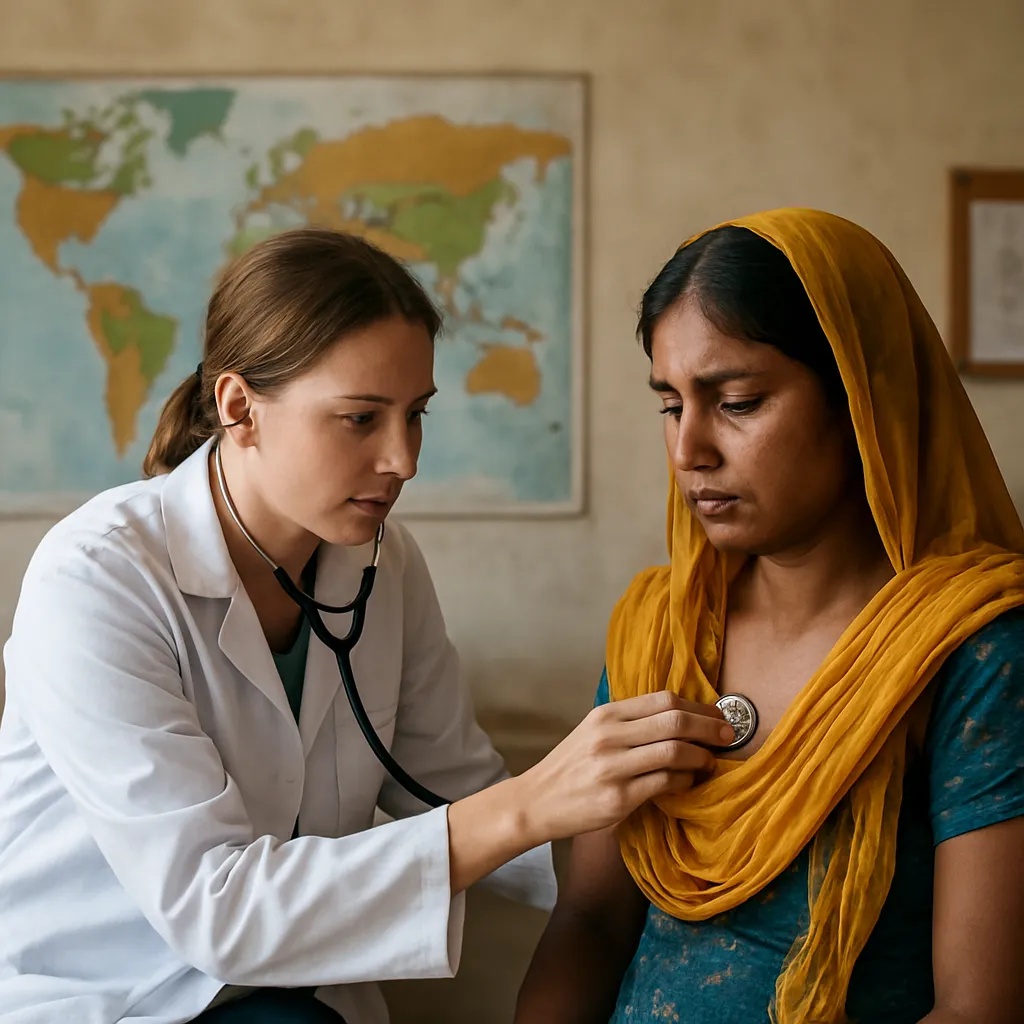
The intricate relationship between economic structures and the accessibility of medical services has far-reaching consequences for populations around the globe. This article examines the factors that shape healthcare access, explores policy frameworks, and highlights emerging models designed to bridge gaps between resource-rich and resource-poor regions.
Global Disparities in Healthcare Financing
Healthcare spending varies dramatically across nations, driven by differences in tax bases, social insurance mechanisms, and out-of-pocket expenditures. In high-income countries, per capita health spending often exceeds $4,000 annually, while in low-income settings the figure can drop below $50. These divergences create stark contrasts in the availability of facilities, workforce capacity, and essential medicines.
Funding Mechanisms and Their Impacts
- Tax-based systems: Countries like the United Kingdom rely on general taxation to finance care. This model can achieve near-universal coverage but requires robust fiscal capacity and efficient fund allocation.
- Social health insurance: Employed in Germany and Japan, it pools resources through payroll contributions. It aligns financing closely with employment but may exclude informal-sector workers.
- Private insurance markets: Seen in the United States, where employer-sponsored plans and individual policies coexist. This arrangement can spur innovation but often leaves gaps in coverage and elevates administrative costs.
- Out-of-pocket payments: Predominant in many emerging economies, leading to catastrophic expenditures for households when unexpected illnesses occur.
Unequal financing contributes to persistent disparities in service quality and health outcomes. Regions with limited budgets struggle to attract and retain skilled medical personnel, resulting in rural understaffing and urban concentration of specialists.
Role of Government Policy and Private Sector Involvement
Public policy shapes the regulatory environment, determines financing allocations, and establishes population coverage mandates. Meanwhile, the private sector offers investment capital, technological innovations, and management expertise. Effective collaboration between these spheres can optimize resource use and expand access.
Regulatory Frameworks and Subsidies
Governments can employ targeted subsidies to lower insurance premiums for low-income families, or offer vouchers redeemable at approved clinics. Regulatory measures such as price controls on essential medicines and diagnostics help ensure affordability, though they must balance incentives for research and production.
Public-Private Partnerships (PPPs)
- Infrastructure development: Building and operating hospitals through PPPs can accelerate health facility expansion without overburdening public budgets.
- Service delivery: Outsourcing non-clinical services (e.g., catering, janitorial work) reduces costs and allows governments to focus on core medical functions.
- Technology transfer: Private firms can introduce digital health platforms, telemedicine solutions, and AI diagnostics under agreements that guarantee data privacy and equitable rollout.
Successful PPPs often hinge on transparent contracts, clear risk-sharing provisions, and performance-based payment schemes. In several middle-income countries, such arrangements have improved maternal and child health metrics while maintaining sustainability over time.
Innovations and Sustainable Models for Healthcare Access
Cutting-edge approaches are redefining how services reach underserved communities. By harnessing technology, community networks, and alternative financing, stakeholders can address both supply-side and demand-side barriers.
Digital Health Platforms
Telemedicine and mobile health (mHealth) apps connect patients in remote areas with urban-based specialists. These platforms reduce travel costs, expedite diagnoses, and support chronic disease management through continuous monitoring. A growing body of evidence demonstrates improvements in diabetes control and hypertension management when patients use smartphone-enabled interventions.
Community-Based Health Insurance (CBHI)
CBHI schemes pool risk among local members, often organized by cooperatives or non-governmental organizations. Premiums are tailored to income levels, with surpluses reinvested into facility upgrades and staff training. While scale can be a challenge, integrating CBHI into national health strategies enhances resilience against economic shocks.
Innovative Financing Instruments
- Social impact bonds: Investors fund preventive health programs and receive returns based on predefined outcomes, such as reduced hospitalization rates.
- Sin taxes and hypothecated levies: Excise duties on tobacco and alcohol can finance anti-smoking campaigns and rehabilitation services.
- Microloans for health entrepreneurs: Small-scale lending supports local production of essential supplies like sanitary pads or mosquito nets, fostering both innovation and employment.
By emphasizing localized solutions and data-driven management, these models contribute to more equitable distribution of health resources. Underpinning them is a commitment to collaboration across sectors.
Addressing Workforce and Infrastructure Challenges
Even well-financed systems face constraints if the healthcare workforce is in short supply or unevenly distributed. Strategies to mitigate these issues include task-shifting, tele-education, and incentives for rural postings.
Task-Shifting and Training
Delegating tasks to community health workers, nurse practitioners, or pharmacist assistants alleviates physician shortages. Structured training programs, supported by remote supervision, ensure quality standards are met.
Infrastructure Investment
- Modular clinics: Prefabricated units can be rapidly deployed in disaster zones or underserved districts.
- Solar-powered equipment: Off-grid health posts benefit from reliable electricity, powering refrigeration for vaccines and diagnostic devices.
- Open-source medical devices: Customizable 3D-printed tools reduce dependence on expensive imported supplies.
Investments in infrastructure not only improve service availability but also foster economic growth by creating construction and maintenance jobs, thereby reinforcing a cycle of growth and well-being.
Measuring Progress and Ensuring Accountability
Monitoring and evaluation frameworks are essential to assess the impact of reforms and guide resource allocation. Key performance indicators include service utilization rates, out-of-pocket expenditures as a share of household income, and health outcome metrics like infant mortality and life expectancy.
Data Systems and Transparency
Electronic health records and national health accounts provide real-time insights into spending flows and utilization patterns. Public dashboards and audit reports enhance accountability and empower civil society to advocate for improvements.
Global Collaboration and Knowledge Sharing
- International organizations facilitate capacity-building workshops and peer-to-peer exchanges.
- Research consortia publish best practices in open-access journals, enabling policymakers to adapt successful interventions across contexts.
- Cross-border partnerships address transnational threats like pandemics, antimicrobial resistance, and refugee health needs.
These collective efforts underscore the vital interplay between economic policy, innovation, and social equity. Access to healthcare is not merely a clinical concern but a cornerstone of sustainable development and infrastructure resilience.