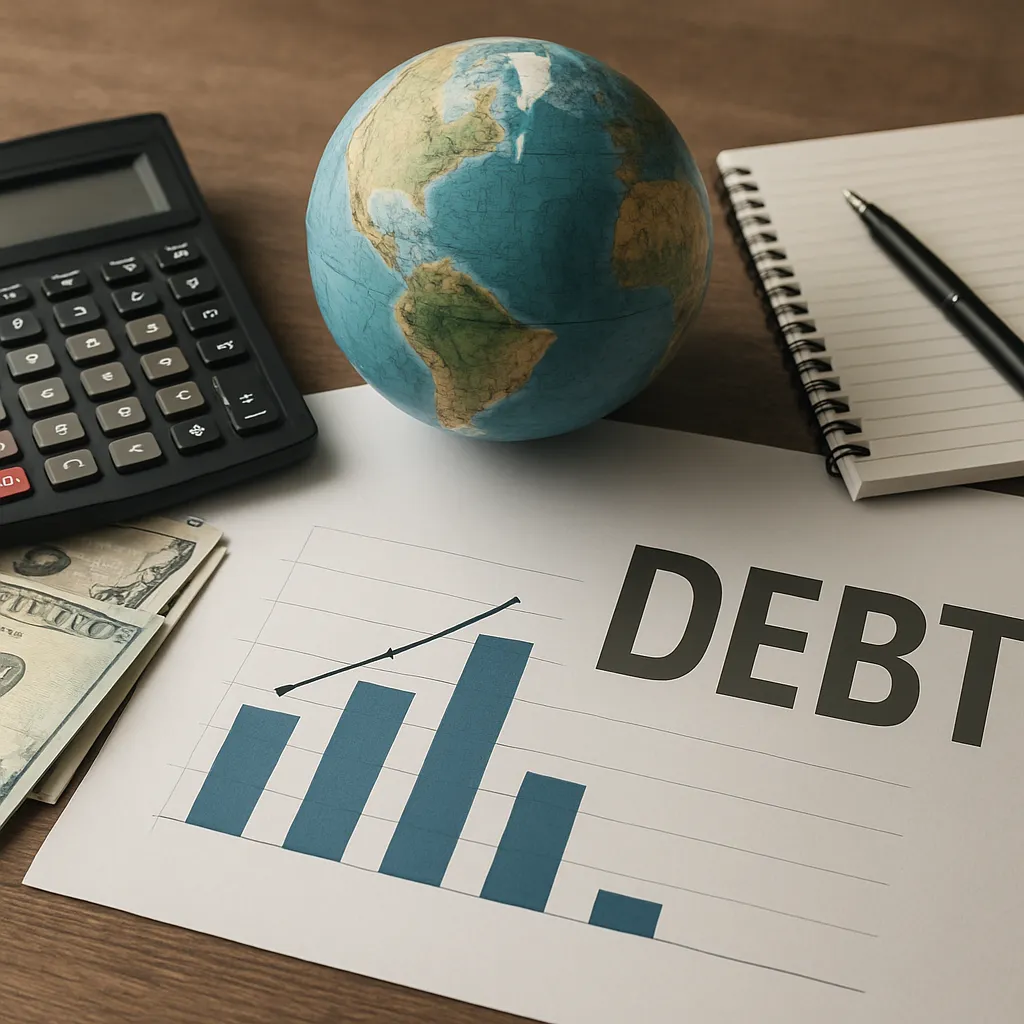
The Economics of Global Debt Restructuring explores the complex interplay between sovereign obligations, international finance, and the mechanisms designed to alleviate distress. Through analysis of historical precedents, institutional roles, and contemporary challenges, this article examines how nations navigate the delicate process of recalibrating their liabilities. By understanding the forces at play—ranging from market sentiment to political will—readers will gain insight into the multifaceted dynamics that shape global economic stability.
Historical Evolution of Sovereign Debt Workouts
The modern framework for managing sovereign defaults and debt relief emerged amid waves of crises in the late 20th century. The Latin American debt crisis of the 1980s and the Asian financial meltdown of 1997 revealed crucial gaps in existing protocols. Over time, policymakers and lenders developed more structured approaches to address sovereign debt stress without resorting to chaotic defaults or unilateral repudiations.
Early Mechanisms and Ad Hoc Arrangements
- Rescheduling: Extending maturities to provide breathing space for debtor nations.
- Paris Club Agreements: A forum of official bilateral creditors coordinating debt relief terms.
- Commercial lender involvement through concerted lending and voluntary rollover schemes.
Although these tools provided temporary relief, they often transferred risk to future generations and failed to address root causes such as inadequate growth and poor governance.
The Introduction of Formal Frameworks
- The Heavily Indebted Poor Countries (HIPC) Initiative launched by the IMF and World Bank in 1996 set eligibility criteria for deep debt reduction.
- The Multilateral Debt Relief Initiative (MDRI) further extended cancellation to certain multilateral loans.
- These programs linked debt relief to structural reforms, aiming for long-term sustainability rather than temporary cashflow improvements.
The Role of International Institutions and Market Participants
Global debt restructuring relies on a constellation of actors, each wielding unique tools and incentives.
Multilateral Development Banks and the IMF
- Providing technical assistance on macroeconomic stabilization and fiscal consolidation.
- Offering emergency financing through instruments like the Flexible Credit Line (FCL) and Stand-by Arrangements.
- Coordinating country-level reviews to assess compliance with program conditionalities.
These organizations often serve as catalysts for creditor coordination, reducing information asymmetries and aligning policy agendas.
Official and Private Creditors
- Paris Club creditors negotiate collectively to avoid competitive forbearance.
- Commercial bondholders and banks demand fair treatment clauses, ensuring no creditor gains at another’s expense.
- Creditors analyze debt sustainability metrics—such as debt-to-GDP ratios and interest-to-revenue thresholds—to gauge recovery prospects.
Recent innovations include Collective Action Clauses (CACs) embedded in sovereign bonds to facilitate majority-driven restructurings.
Emerging Role of Regional Institutions
- Development banks in Asia, Africa, and Latin America offer supplementary liquidity buffers.
- Regional platforms sometimes provide more flexible terms reflecting local economic realities.
- These institutions can pioneer tailored risk-sharing arrangements that complement global initiatives.
Key Challenges in Contemporary Restructuring
Despite progress, several structural and operational hurdles persist as countries seek orderly workouts.
Diversified Creditor Landscapes
- The rise of non-traditional lenders—such as sovereign wealth funds and state-owned banks—complicates coordination.
- Disparate legal jurisdictions and governing laws on bond contracts lead to litigation risks.
- Emerging creditors may lack experience or appetite for collaborative debt resolution.
Data Gaps and Transparency
- Limited public information on bilateral loans and hidden contingent liabilities undermines accurate sustainability analyses.
- Countries may delay disclosure to avoid market panic, yet opacity raises borrowing costs.
- Enhanced reporting standards, such as the IMF’s Debt Sustainability Framework, aim to close these gaps.
Political Economy Constraints
- Domestic stakeholders—labor unions, local banks, and political factions—resist austerity measures embedded in restructuring deals.
- Election cycles often skew incentives towards short-term relief rather than comprehensive reform.
- Social disruptions from spending cuts or tax hikes can provoke unrest, complicating policy implementation.
Innovations and Future Directions
To address persistent weaknesses, policymakers and market participants are exploring novel solutions to streamline debt workouts and foster resilience.
Sovereign Debt Transparency Enhancement
- Promoting open-access debt registries to track both public and private obligations.
- Standardizing loan documentation and reporting protocols across creditor types.
- Utilizing blockchain technology for immutable, real-time monitoring of debt flows.
Market-Based Risk Mitigation Instruments
- GDP-linked bonds adjust repayments based on economic performance, sharing downside risks.
- Revenue participation notes allow creditors to receive a share of specific fiscal streams.
- Insurance mechanisms, such as pandemic or commodity shock facilities, reduce exposure to systemic events.
Regional Integration and Collective Action
- Cross-border fiscal compacts encourage mutual oversight and preemptive fiscal discipline.
- Regional debt restructuring frameworks—akin to the European Stability Mechanism—offer templates for other blocs.
- Pooling resources enhances negotiating power vis-à-vis fragmented creditor groups.
Case Study: A Deep Dive into a Recent Restructuring
Consider the hypothetical restructuring of Country X, which faced a debt-to-GDP ratio surpassing 120 percent amid commodity price shocks. By engaging with all stakeholders early, Country X achieved:
- A 30 percent haircut on bilateral official debt, secured through a Paris Club-style agreement.
- An extension of commercial bond maturities by five years, activated via Collective Action Clauses.
- Implementation of structural reforms targeting energy subsidies and public sector efficiency.
This multi-pronged approach restored market access within three years, reduced liquidity constraints, and laid a foundation for sustainable growth.
Concluding Observations on Sustainable Debt Dynamics
Global debt restructuring remains an evolving discipline, balancing the imperatives of creditor recovery and debtor growth. As economic interdependence deepens through globalization, the stakes of mishandled workouts rise. Future success hinges on improved coordination among official and private participants, greater transparency, and innovative instruments that align incentives. By embracing these advances, the international community can transform debt distress from a recurring crisis into an opportunity for structural renewal.