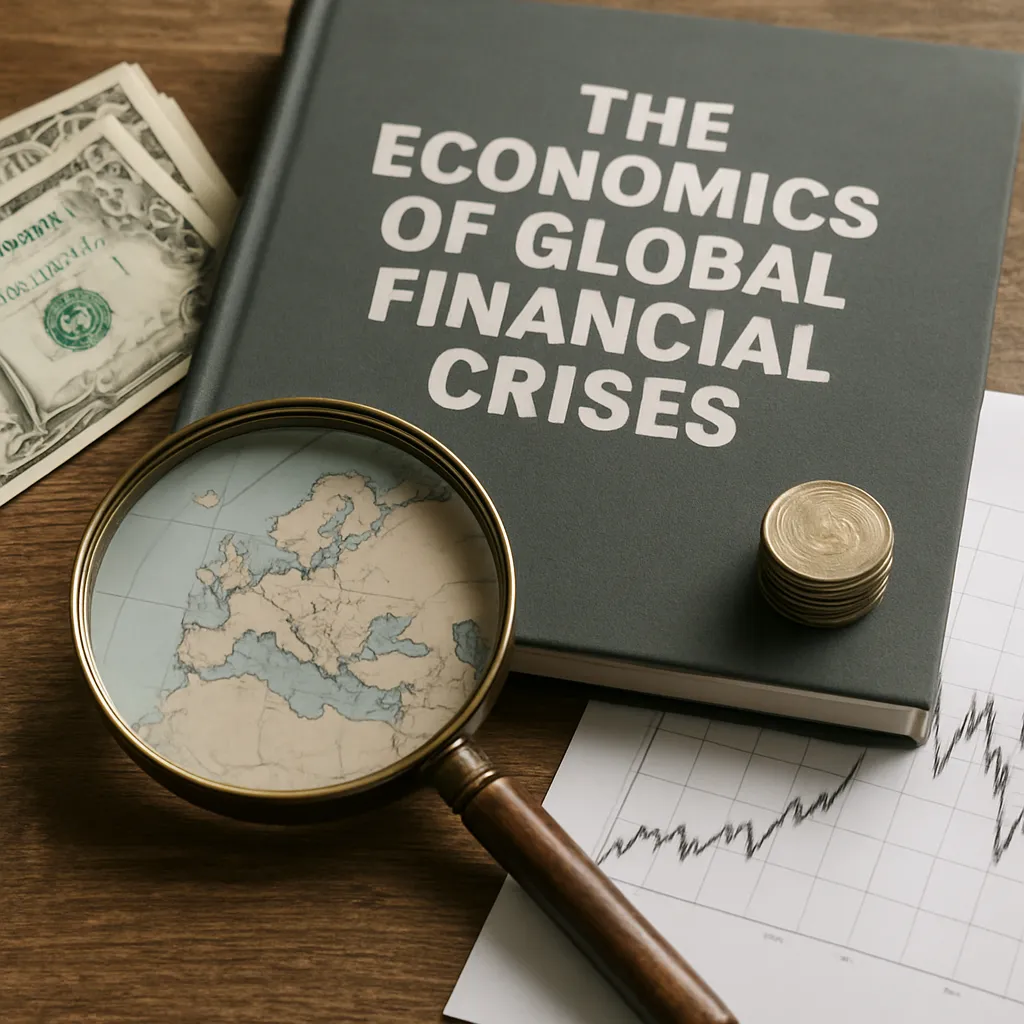
The ongoing evolution of international markets has exposed economies to cycles of boom and bust, each shaped by a blend of domestic policies and external shocks. Analyzing the roots and repercussions of these upheavals reveals critical insights into the nature of financial instability. This article explores the underlying factors driving crises, the channels through which they spread, and the measures that can strengthen the global economic framework.
Causes and Mechanisms of Financial Crises
Financial crises generally arise from a complex interplay of structural weaknesses, policy missteps, and speculative behavior. Among the most significant drivers are:
- Excessive leverage and rapid credit expansion, which can inflate asset bubbles beyond sustainable levels.
- Poor risk management practices within banking and non-banking institutions, leading to mispriced exposures and liquidity shortfalls.
- Regulatory gaps and inconsistencies across jurisdictions that allow shadow banking activities to thrive outside the scope of prudential oversight.
- Global imbalances in current accounts and capital flows, fueling cyclical capital surges and abrupt reversals.
These factors interact in a dynamic fashion. For instance, optimism about rising property values may encourage banks to relax lending standards, while lenders themselves may rely on wholesale funding markets vulnerable to sudden withdrawals. When confidence erodes, the resulting sell-offs and margin calls trigger a downward spiral, as actors scramble to deleverage.
Asset Bubbles and Speculation
Misaligned incentives between borrowers, lenders, and investors can lead to speculative excess. Real estate, equity, and commodity markets often exhibit Volatility that far exceeds fundamental value fluctuations. Speculators betting on rising prices amplify the cycle until a triggering event—such as a policy shift or external shock—sets off a rapid correction. The resulting collapse in asset valuations inflicts balance-sheet damage across the financial system.
Inadequate Supervision and Moral Hazard
When financial institutions expect government bailouts, they may engage in riskier behavior, a phenomenon known as moral hazard. Weak supervision compounds this problem by failing to enforce capital and liquidity requirements. The 2008 crisis demonstrated how large, interconnected banks can assume excessive counterparty risk, believing that their systemic significance guarantees official support.
Transmission Channels and Global Contagion
Crises seldom remain confined within national borders. Interconnectedness ensures that shocks propagate through various channels:
- Trade linkages: A recession in one major economy reduces demand for imports, depressing export revenues elsewhere.
- Capital flows: Sudden stops and reversals of cross-border investments can drain emerging markets of vital funds, leading to currency collapses and debt distress.
- Banking networks: Multinational banks transmit financial stress via branch closures, reduced credit lines, and increased borrowing costs.
- Confidence effects: News of a crisis undermines investor sentiment globally, prompting portfolio rebalancing toward perceived safe havens.
These channels create a web of interdependence. A liquidity squeeze in global interbank markets, for example, can elevate funding costs everywhere, straining even robust financial systems. Sovereign borrowers may find refinancing impossible, pushing governments to enact austerity measures that deepen recessions.
Cross-Border Spillovers
Contagion often intensifies when countries share similar vulnerabilities. Emerging markets with high external debt denominated in foreign currencies can suffer currency depreciations that inflate repayment costs. Similarly, commodity exporters face revenue shortfalls if global demand weakens, amplifying fiscal imbalances and raising default risks.
Behavioral and Network Effects
Perceptions play a pivotal role. Herding behavior among investors can accelerate capital flight, while interconnected derivatives positions may lead to cascade defaults. The contagion thus emerges from both economic fundamentals and psychological dynamics, complicating efforts to isolate and contain shocks.
Policy Responses and International Coordination
Mitigating the severity of financial crises requires swift and targeted action at both the national and multilateral levels. Key policy tools include:
- Monetary interventions such as liquidity injections, emergency lending facilities, and unconventional measures like quantitative easing.
- Fiscal stimulus to support aggregate demand, extend credit guarantees, and provide social safety nets.
- Regulatory reforms aimed at strengthening capital buffers, introducing macroprudential instruments, and closing loopholes in oversight.
- Exchange-rate adjustments and currency swap lines to stabilize foreign exchange markets and ensure adequate reserve coverage.
Successful crisis management often hinges on coordination among central banks, finance ministries, and international institutions. The establishment of the Financial Stability Board and enhancements to IMF lending facilities exemplify steps taken to bolster readiness for future shocks.
Macroprudential Measures
Macroprudential policies target systemic risk by imposing countercyclical capital buffers, loan-to-value limits on mortgages, and leverage ratios for non-bank entities. By dampening credit booms, these tools aim to reduce the amplitude of financial cycles. The challenge lies in calibrating measures to evolving risk profiles without stifling legitimate economic activity.
Role of International Institutions
The International Monetary Fund, World Bank, and regional development banks play a dual role: providing financial support to affected countries and facilitating policy dialogue. Programs under the IMF’s precautionary arrangement can serve as an insurance policy against sudden stops, while technical assistance helps build local capacity for crisis prevention and resolution.
Future Challenges and Technological Innovations
Looking ahead, the global economy faces new sources of volatility and potential crises. Rapid financial innovation, including the rise of digital assets and decentralized finance, poses regulatory dilemmas. Meanwhile, climate change introduces novel risks to asset valuations and insurance markets.
Digital Transformation and Financial Stability
The proliferation of fintech platforms, algorithmic trading, and cryptocurrencies has the potential to both enhance efficiency and amplify systemic risk. Without proper oversight, these technologies might create new avenues for liquidity mismatches and fraud. On the other hand, distributed ledger technologies could improve transparency and reduce settlement times, bolstering market resilience.
Climate-Related Financial Risks
Physical hazards such as extreme weather events can undermine real estate markets and strain public finances. Transition risks associated with moving to a low-carbon economy may devalue fossil-fuel assets. Policymakers and financial institutions are beginning to stress-test portfolios for climate exposure, integrating these factors into risk assessment frameworks.
Addressing future crises will require a holistic approach that balances innovation with prudent oversight. Building a more resilient global financial system entails fostering adaptability, enhancing transparency, and promoting sustainable growth models that mitigate the likelihood of severe downturns.