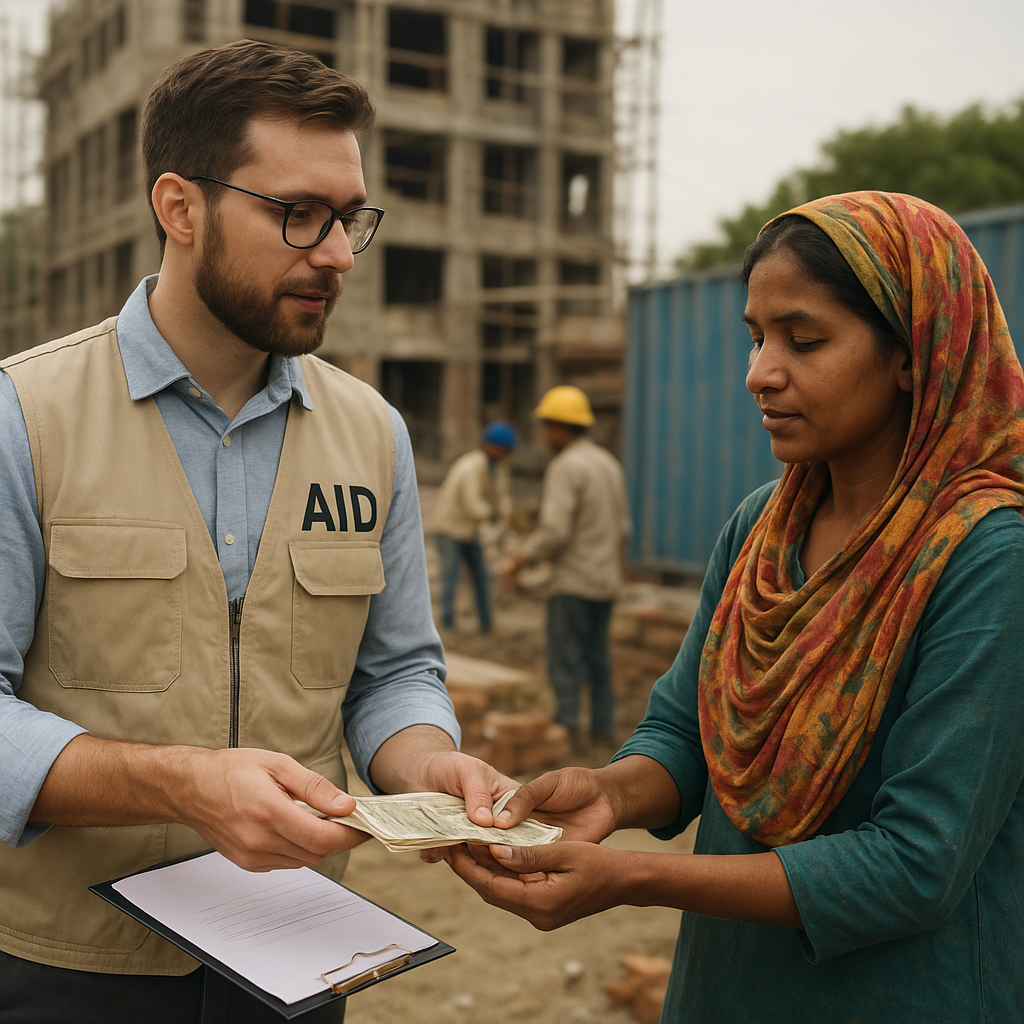
The Role of International Aid in Economic Recovery explores how targeted assistance can catalyze growth, foster resilience and pave the way for long-term development. By examining historical precedents, contemporary mechanisms, and real-world case studies, this article highlights the multifaceted contributions of aid, the main challenges it faces, and key lessons for future initiatives.
Historical Context of International Aid
The modern concept of cross-border assistance emerged in the aftermath of World War II, when the Marshall Plan demonstrated the potential of coordinated support to rebuild shattered economies. Governments, foundations, and multilateral institutions pooled resources to inject capital, expertise, and technical help into war-ravaged regions. This episode established foundational principles of sustainability and partnerships, emphasizing that aid must align with recipient priorities and encourage local ownership.
As decolonization accelerated during the 1950s and 1960s, newly independent nations sought external resources to expand infrastructure and social services. Entities such as the World Bank, the International Monetary Fund (IMF), and United Nations agencies became major channels for funding roads, hospitals, and schools. These early efforts spotlighted the tension between conditional versus unconditional aid: should recipients reform policies first, or receive support unconditionally to jumpstart growth?
- Post-war reconstruction: focus on industrial revival and trade facilitation
- Decolonization era: emphasis on social infrastructure and institution building
- Cold War dynamics: strategic aid to gain political alliances
By the 1980s, critiques about debt accumulation and policy imposition gave rise to the concept of “aid effectiveness.” Commitments to accountability and transparency reshaped assistance frameworks, culminating in the Paris Declaration on Aid Effectiveness (2005) with its core principles of ownership, alignment, harmonization, results, and mutual accountability.
Mechanisms and Impact of Aid in Economic Recovery
International aid operates through diverse channels: grants, concessional loans, technical assistance, and humanitarian relief. Each modality affects economic recovery differently:
- Grants finance vital projects without repayment obligations, ideal for fragile contexts.
- Concessional loans offer low-interest credit, stretching the borrowing capacity of developing economies.
- Technical assistance transfers expertise, enhancing skills in public finance, health, or education sectors.
- Humanitarian relief addresses immediate crises, preserving human capital and avoiding long-term economic scarring.
When well-coordinated, these tools spur macroeconomic stabilization and micro-level improvements. For instance, increased spending on health leads to a more productive workforce, while investments in transport networks lower logistics costs and boost trade. Strong governance frameworks ensure that funds adhere to intended objectives, reducing leakages and fostering trust among stakeholders.
Role of Multilateral Institutions
Agencies like the IMF and World Bank often complement bilateral efforts by offering policy advice alongside financial support. The IMF’s balance of payments assistance can stabilize currencies, while the World Bank’s infrastructure lending underpins long-term growth projects. Their combined influence helps align donor strategies, ensuring that programs reinforce each other rather than overlap or contradict.
Importance of Coordination
Fragmented aid risks duplicating efforts and wasting scarce resources. Therefore, coordination among donors, host governments, and civil society is critical. Platforms such as donor working groups and joint funding mechanisms streamline project design, promote shared standards, and improve monitoring. Enhanced information exchange prevents gaps in funding essential sectors and maximizes overall impact.
Challenges and Criticisms of Aid Programs
Despite notable successes, international aid faces persistent obstacles:
- Dependency: prolonged reliance on external support can undermine domestic revenue mobilization.
- Fragmentation: diverse objectives and grant cycles complicate policy coherence.
- Corruption risks: weak oversight may enable misallocation or embezzlement of funds.
- Political influence: donor priorities sometimes overshadow recipient needs, skewing investment choices.
Critics argue that some interventions generate unintended consequences, such as distorting local markets or incentivizing rent-seeking. Others lament that conditional aid, tied to stringent reform packages, can exacerbate social tensions if adjustments occur too rapidly or without adequate social safety nets.
To address these issues, recent reforms focus on capacity-building within recipient institutions, fostering domestic ability to manage budgets, enforce regulations, and engage citizens. Innovative financing models, including pooled trust funds and results-based disbursements, introduce performance incentives and leverage public-private co-investment.
Balancing Flexibility and Accountability
Flexible funding allows implementers to adjust to on-the-ground realities, yet donors demand strict reporting. Enhanced digital monitoring systems and community-driven feedback loops strengthen accountability without stifling operational agility. Underlining the importance of local voice in project design also minimizes cultural mismatches that could undermine effectiveness.
Case Studies: Successes and Lessons Learned
Examining specific recovery scenarios sheds light on best practices for harnessing aid:
Rebuilding After Natural Disasters
Following the devastating earthquake in Country A, a multidonor trust fund mobilized rapid grants for debris removal, temporary shelters, and basic services. By coordinating with local municipalities and NGOs, the fund prioritized community-driven reconstruction of schools and clinics. This approach accelerated economic normalization and restored social cohesion.
Supporting Post-Conflict Economies
In Country B, donors collaborated on a joint program to revitalize agriculture and vocational training. Grants for seed distribution were complemented by technical assistance in modern farming methods. Meanwhile, microcredit schemes enabled small enterprises to flourish. Within five years, GDP growth averaged 6 percent annually, demonstrating how integrated strategies can reinforce infrastructure development and human capital.
Stimulating Private Sector Investment
Country C faced sluggish private investment due to regulatory uncertainty. A phased reform program, backed by concessional loans, offered guarantees to local banks and streamlined business registration. This combination of financial instruments and policy advice spurred domestic entrepreneurship, creating new jobs and diversifying export profiles.
Key takeaways from these initiatives include:
- Engage stakeholders early to align objectives and set realistic timelines.
- Ensure funds flow transparently through robust monitoring frameworks.
- Blend short-term relief with long-term capacity-building for sustainable outcomes.
- Encourage innovation by piloting digital platforms or microfinance schemes tailored to local contexts.
Through continuous learning, adaptive management, and strengthened partnerships, international aid can remain a potent instrument for fostering durable economic recovery and inclusive growth.