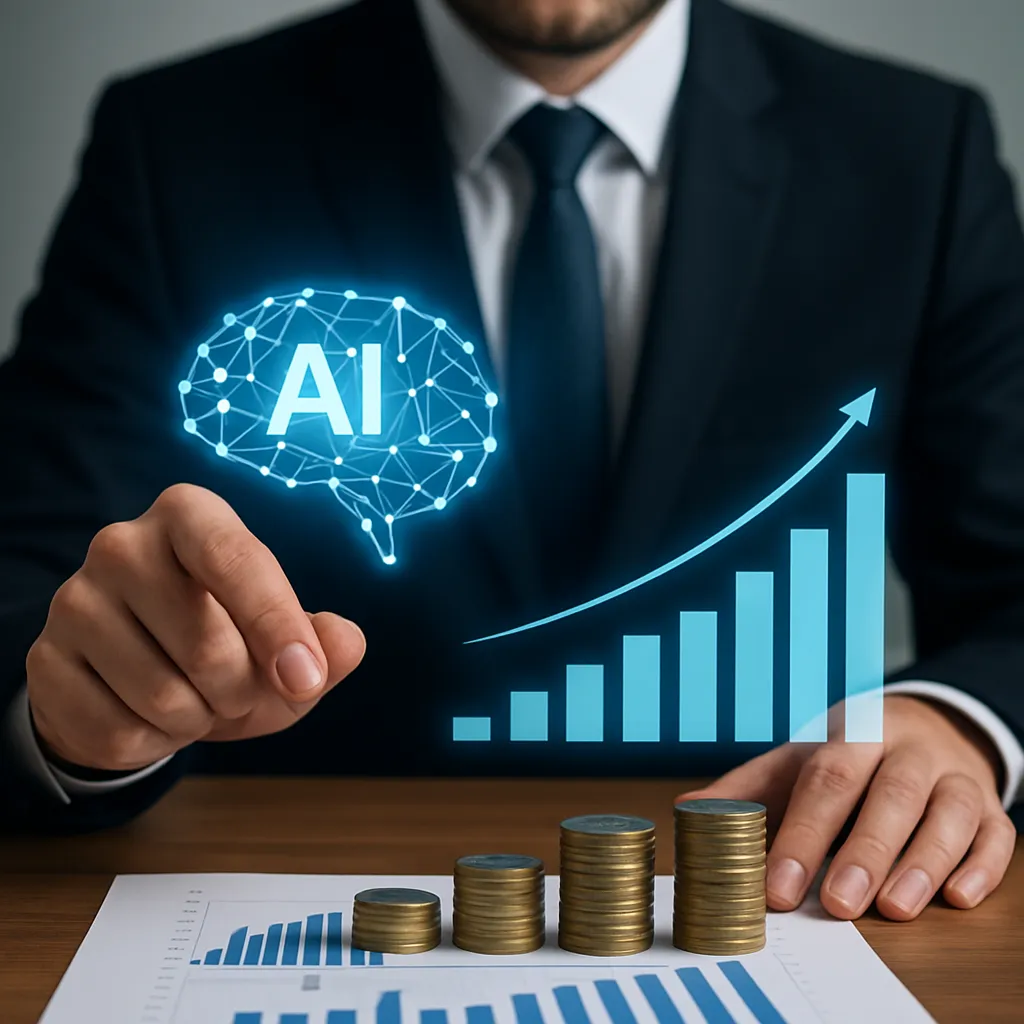
The rapid integration of artificial intelligence into diverse sectors is reshaping global economic landscapes. This article explores how AI drives productivity gains, transforms labor markets, influences trade dynamics, and presents both opportunities and challenges for sustainable growth. By examining technological progress, workforce adaptation, policy frameworks, and cross-border cooperation, we can better understand the profound impact of AI on the world economy.
Technological Advancements and Productivity Gains
In recent years, breakthroughs in machine learning, natural language processing, and computer vision have accelerated the deployment of AI across industries. Companies leverage intelligent systems to optimize processes, reduce downtime, and enable real-time decision-making. For instance, predictive maintenance in manufacturing uses data-driven algorithms to forecast equipment failures, minimizing costly interruptions.
Key drivers of productivity improvements include:
- Automation of repetitive tasks, freeing employees for higher-value activities.
- Enhanced efficiency in supply chain management through demand forecasting and inventory optimization.
- Faster innovation cycles powered by AI-driven design and simulation tools.
- Improved customer experiences via personalized recommendations and automated support.
These gains translate into higher output with the same or fewer inputs. McKinsey estimates that AI could add up to 1.2% annual GDP growth for advanced economies by 2030. Emerging markets stand to benefit even more, given their potential for leapfrogging legacy systems and adopting cutting-edge solutions.
AI and Labor Market Transformation
The adoption of AI raises important questions about the future of work. While automation can displace certain roles, it also creates demand for new skill sets. Routine tasks in sectors such as transportation, customer service, and data entry are increasingly handled by intelligent systems, leading to job reallocation.
Reskilling and Upskilling
- Governments and corporations must invest in training programs to equip workers with competencies in AI, data analytics, and digital literacy.
- Partnerships between educational institutions and industry leaders can ensure curricula align with labor market needs.
- Lifelong learning initiatives foster adaptability and resilience among employees.
Job Creation and Quality
AI contributes to job creation in fields such as AI research, programming, ethics, and system integration. Moreover, it enhances job quality by automating hazardous or monotonous tasks, improving workplace safety. However, labor market policies must address income inequality risks and support displaced workers through social safety nets or wage insurance.
Global Trade, Investment, and Policy Implications
Artificial intelligence is a strategic asset in international competition. Nations that lead in AI research and deployment gain advantages in productivity, military applications, and geopolitical influence. Consequently, governments are shaping regulatory frameworks and funding policies to nurture domestic AI ecosystems.
Trade Dynamics
- AI-driven supply chain visibility enhances resilience against disruptions, fostering more stable trade flows.
- Intellectual property rules for AI algorithms and data ownership remain contentious in trade negotiations.
- Cross-border data flows are critical for model training but face restrictions due to privacy and security concerns.
Foreign Direct Investment
Multinational corporations are channeling capital into AI hubs around the world. This inflow of investment stimulates local innovation clusters, infrastructure upgrades, and talent development. Yet, policymakers must balance incentives to attract global firms with the protection of national interests and sensitive technologies.
Ethics, Governance, and Sustainable Development
The widespread application of AI raises ethical questions and governance challenges. Issues such as algorithmic bias, data privacy, and autonomous decision-making call for robust oversight mechanisms. International cooperation can facilitate the establishment of common standards and best practices.
- Transparency requirements for AI models can enhance accountability and public trust.
- Ethical guidelines ensure fair treatment and non-discrimination in automated decision systems.
- Privacy regulations safeguard individual rights while enabling responsible data utilization.
Integrating AI into sustainable development goals can accelerate progress in areas like climate modeling, healthcare delivery, and resource management. For example, AI-driven climate analytics improve the precision of emissions forecasts, guiding policy interventions. In healthcare, machine learning-based diagnostics expand access to quality care in underserved regions.
Future Opportunities and Challenges
As AI capabilities continue to evolve, several trends will shape its economic impact:
- Edge computing and 5G networks will enable real-time AI applications in autonomous vehicles, smart cities, and remote surgery.
- Quantum computing promises breakthroughs in optimization and cryptography, potentially revolutionizing AI performance.
- Human-AI collaboration will become more seamless, enhancing creativity and decision-making in diverse fields.
However, the path forward is not without obstacles. Ensuring equitable access to AI technologies, mitigating geopolitical tensions over AI supremacy, and addressing environmental concerns related to high-volume data centers are critical tasks. Policymakers, business leaders, and the research community must work collaboratively to foster an inclusive and transformative AI-driven economy.