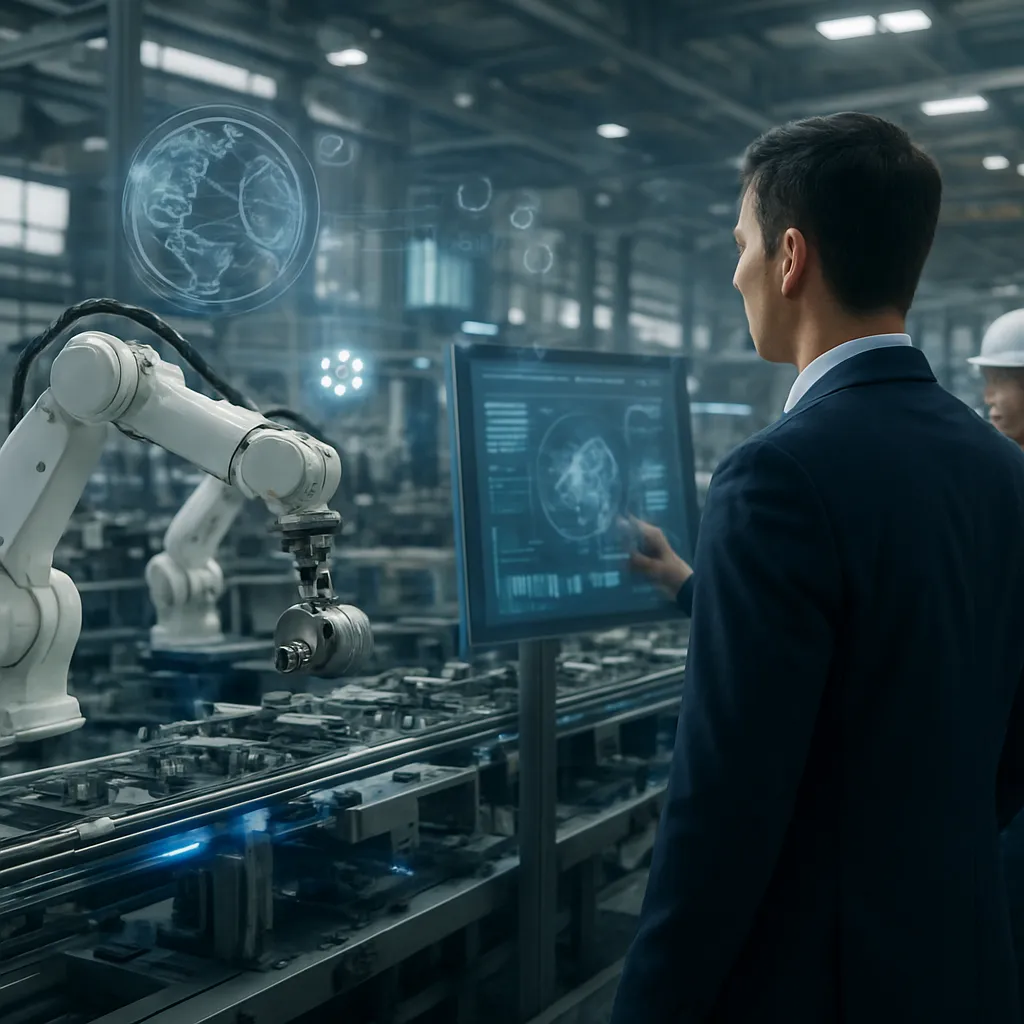
The ongoing revolution in global manufacturing is being propelled by a confluence of disruptive technologies that promise to redefine production processes, supply chains, and workforce dynamics. As industries across continents embrace innovation, the intersection of digitalization, automation, and advanced analytics has never been more critical for sustaining economic growth and enhancing competitiveness. This article examines the forces shaping the future of manufacturing, exploring technological drivers, supply chain transformations, workforce evolution, and the emerging geopolitical landscape.
Technological Drivers of Next-Generation Manufacturing
Artificial Intelligence and Machine Learning
Artificial Intelligence (AI) and Machine Learning (ML) algorithms are at the forefront of enhancing production efficiency and quality control. By leveraging vast datasets, manufacturers can predict equipment failures before they occur, optimize process parameters in real time, and personalize products at scale. As AI-powered systems learn from historical and live data, they foster continuous improvement, minimize downtime, and elevate overall equipment effectiveness (OEE). The integration of AI within manufacturing ecosystems is thus a strategic imperative for firms seeking to reduce costs and accelerate innovation cycles.
Internet of Things and Smart Connectivity
The proliferation of Internet of Things (IoT) devices has enabled unprecedented levels of machine-to-machine communication and remote monitoring. Sensors embedded in machines capture metrics—temperature, vibration, throughput—feeding centralized platforms where advanced analytics transform raw readings into actionable insights. This convergence of digital platforms and physical assets under the banner of Industry 4.0 ensures robust asset management, predictive maintenance, and enhanced energy efficiency. Embracing IoT not only boosts operational transparency but also equips executives with the data needed to make strategic, data-driven decisions.
Robotics and Collaborative Automation
Robotic systems have evolved from isolated, caged units to collaborative robots (cobots) that safely operate alongside human workers. These adaptable machines can perform repetitive or hazardous tasks—welding, painting, parts handling—freeing human operators to focus on complex, creative endeavors. Cobots feature intuitive programming interfaces and sensors that detect proximity, ensuring worker safety. As labor shortages intensify and production demands fluctuate, the deployment of automation solutions will be crucial for maintaining throughput and reducing human error.
Blockchain for Transparent Supply Chains
Blockchain technology offers a decentralized ledger that records transactions in an immutable, verifiable manner. When applied to manufacturing supply chains, blockchain fosters resilience by ensuring provenance, tracking components from raw materials to finished goods, and reducing the risk of counterfeit parts. Stakeholders—suppliers, logistics providers, regulators—gain a shared, tamper-proof view of every transaction. This transparency streamlines recalls, enforces compliance, and builds consumer trust in product authenticity.
Reshaping Global Supply Chains
Global supply chains are undergoing profound restructuring in response to technological innovation, shifting trade policies, and risk management priorities. Manufacturers are adopting strategies to bolster supply chain agility and reduce dependence on single-source suppliers.
- Regionalization: Firms are exploring nearshoring and onshoring to shorten lead times and adapt swiftly to changing market demands. By relocating production closer to end consumers, companies can mitigate logistical disruptions and currency volatility.
- Digital Twins: Virtual replicas of physical assets and networks enable scenario planning for logistics, factory layout, and demand surges. Digital twins allow managers to simulate stress tests—pandemic scenarios, natural disasters—ensuring supply chain resilience.
- Adaptive Sourcing: Advanced analytics assess supplier risk scores in real time, highlighting potential bottlenecks and geopolitical threats. Procurement teams can then diversify supplier portfolios, negotiate dynamic contracts, and maintain contingency inventories.
Collaborative Platforms and Ecosystems
Cloud-based, collaborative platforms are breaking down silos between design, procurement, and production teams. Shared repositories for product specifications, quality certifications, and compliance documentation accelerate product development and enable faster time to market. As ecosystems expand to include third-party logistics providers, financial institutions, and regulatory bodies, seamless data exchange becomes the linchpin for operational excellence.
Sustainability and Workforce Transformation
Environmental stewardship and human capital considerations are integral to the future of manufacturing. Stakeholders demand companies to balance economic performance with ecological and social responsibilities.
Green Manufacturing Practices
Manufacturers are setting ambitious targets to reduce carbon footprints, minimize water usage, and adopt circular economy principles. Renewable energy integration—solar panels on factory rooftops—paired with energy-efficient machinery, slashes operational emissions. Material innovations, such as bio-based polymers and recycled steel, lower waste and support sustainability goals. Lifecycle assessments guide design-for-disassembly, ensuring end-of-life recycling and repurposing of components.
Skills Development and the Talent Gap
The rise of digital technologies has created a widening skills gap across the manufacturing workforce. Technicians must master data analytics, programming languages, and robotics maintenance. Companies are partnering with educational institutions to develop apprenticeship programs, upskilling existing employees through digital academies, and investing in virtual reality (VR) simulations for hands-on training. Cultivating a culture of lifelong learning is essential for attracting and retaining top talent in a rapidly evolving industry.
Human–Machine Collaboration
Rather than replacing workers, advanced automation is transforming job roles. Skilled operators oversee robotic cells, troubleshoot anomalies, and optimize production flows. This shift underscores the importance of emotional intelligence, creativity, and complex problem-solving—attributes uniquely human. Embracing collaborative models ensures that human ingenuity and machine precision work in tandem to drive innovation.
Geopolitical and Economic Considerations
The global geopolitical landscape exerts profound influence on manufacturing strategies. Trade tensions, regulatory divergences, and economic alliances shape decisions on plant locations, capital expenditures, and market access.
- Trade Policies: Tariffs, export controls, and regional trade agreements impact input costs and competitive positioning. Manufacturers must navigate evolving frameworks such as the Regional Comprehensive Economic Partnership (RCEP) and the U.S.–EU Trade and Technology Council (TTC).
- Investment Flows: Governments are offering incentives—tax credits for clean energy adoption, grants for advanced manufacturing facilities—to attract foreign direct investment. The alignment of fiscal policies with industrial strategies determines the attractiveness of different production hubs.
- Digital Sovereignty: As data becomes a strategic asset, jurisdictions are enforcing data localization and privacy regulations. Manufacturing firms must comply with cross-border data transfer rules while maintaining seamless analytics capabilities.
Emerging economies in Southeast Asia, Latin America, and Africa are vying to become manufacturing powerhouses by leveraging low labor costs and embracing technology-driven growth. Strategic partnerships, infrastructure development, and workforce training programs will dictate the next wave of industrialization beyond traditional centers in North America, Europe, and East Asia.