How the Global Tech Industry Is Shaping Modern Economies

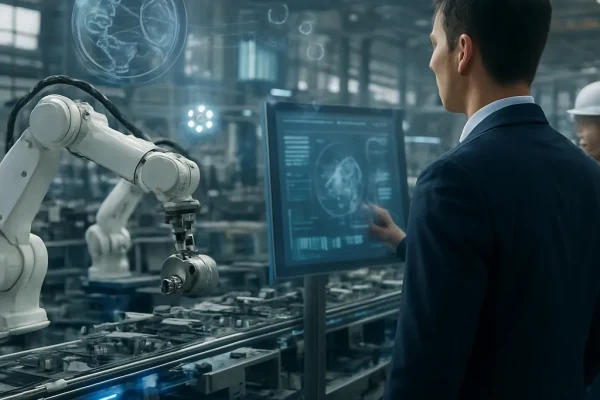
The global technology landscape has become a driving force behind modern economic dynamics, reshaping supply chains, labor markets, and consumer behavior. Companies at the forefront of digital innovation have harnessed unprecedented levels of connectivity, enabling transactions and collaborations that transcend national boundaries. As technology firms scale rapidly, national economies integrate new business models, challenging traditional…

Read More

How Technology is Changing the Future of Global Logistics

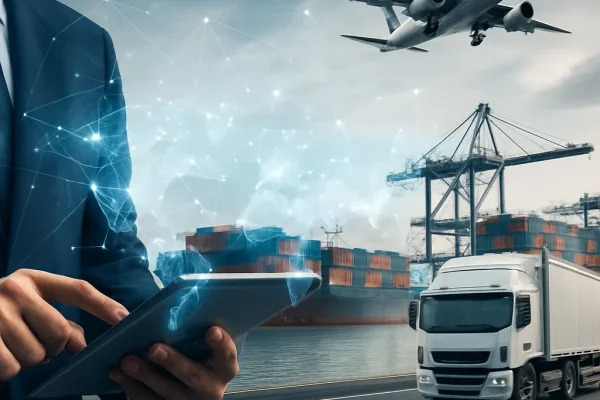
The rapid evolution of technology is reshaping the landscape of global logistics, transforming traditional supply chains into agile, data-driven networks. From smart warehouses powered by robotics to cloud-based freight platforms, these advancements are unlocking unprecedented levels of Efficiency and Visibility. As shippers, carriers, and service providers adopt cutting-edge solutions, they must also navigate emerging challenges…

Read More

How Global Health Crises Affect Economic Recovery

The global landscape has witnessed unprecedented challenges as public health emergencies emerge with far-reaching economic implications. Understanding how global health crises shape the pace and nature of economic recovery is crucial for governments, businesses, and international organisations. This article examines the multifaceted consequences of pandemics and epidemics on global trade, labor markets, consumer sentiment, and…

Read More

How Geopolitical Tensions Influence Global Trade and Investment

In an era marked by rapid shifts in international relations, the interplay of **geopolitical** dynamics profoundly reshapes the landscape of global commerce. As nation-states vie for strategic influence, businesses and investors grapple with mounting uncertainties. This article delves into the mechanisms by which geopolitical tensions disrupt **trade** patterns, influence capital flows, and compel stakeholders to…

Read More

The Future of Work in a Post-Globalization Era

The landscape of employment is undergoing profound transformation as nations pivot away from hyperconnected supply chains towards more localized models. This shift, driven by geopolitical tensions, technological breakthroughs, and evolving consumer preferences, challenges traditional paradigms. Organizations, governments, and individuals must navigate this complex environment by embracing adaptability and foresight to harness emerging opportunities. Drivers of…

Read More

The Future of Trade Routes: Arctic, Maritime, and Beyond

The transformation of global trade networks is reshaping the dynamics of supply chains, national economies, and geopolitical ties. As emerging corridors carve new pathways through ice, over digital frontiers, and across deep oceans, stakeholders must adapt strategies to harness opportunities and mitigate risks. This article examines three pivotal arenas—Arctic routes, traditional maritime lanes, and beyond—highlighting…

Read More

The Future of Globalization: Integration or Isolation?

Economic interactions across borders have undergone dramatic shifts over the past few decades. As nations navigate the tension between open markets and protective measures, the debate over whether the future lies in deeper integration or increased isolation has never been more pressing. This article explores key dimensions of the globalization debate and examines how trade,…

Read More

The Future of Global Shipping and Logistics

The Future of Global Shipping and Logistics sits at the crossroads of economic growth, technological breakthroughs, and environmental imperatives. As maritime routes and supply chains intertwine across continents, stakeholders face unprecedented transformations. From evolving trade patterns to the integration of cutting-edge technologies, this landscape demands adaptability and foresight. This article explores the major forces shaping…

Read More

How Trade Digitization Is Transforming Customs and Borders

The shift towards a digital-first approach in international trade has revolutionized the movement of goods, reshaping the way authorities monitor and regulate cross-border flows. As governments and private-sector partners embrace new technologies, the once complex and paper-intensive processes that defined customs procedures are giving way to streamlined, automated systems. This transformation not only accelerates cargo…

Read More