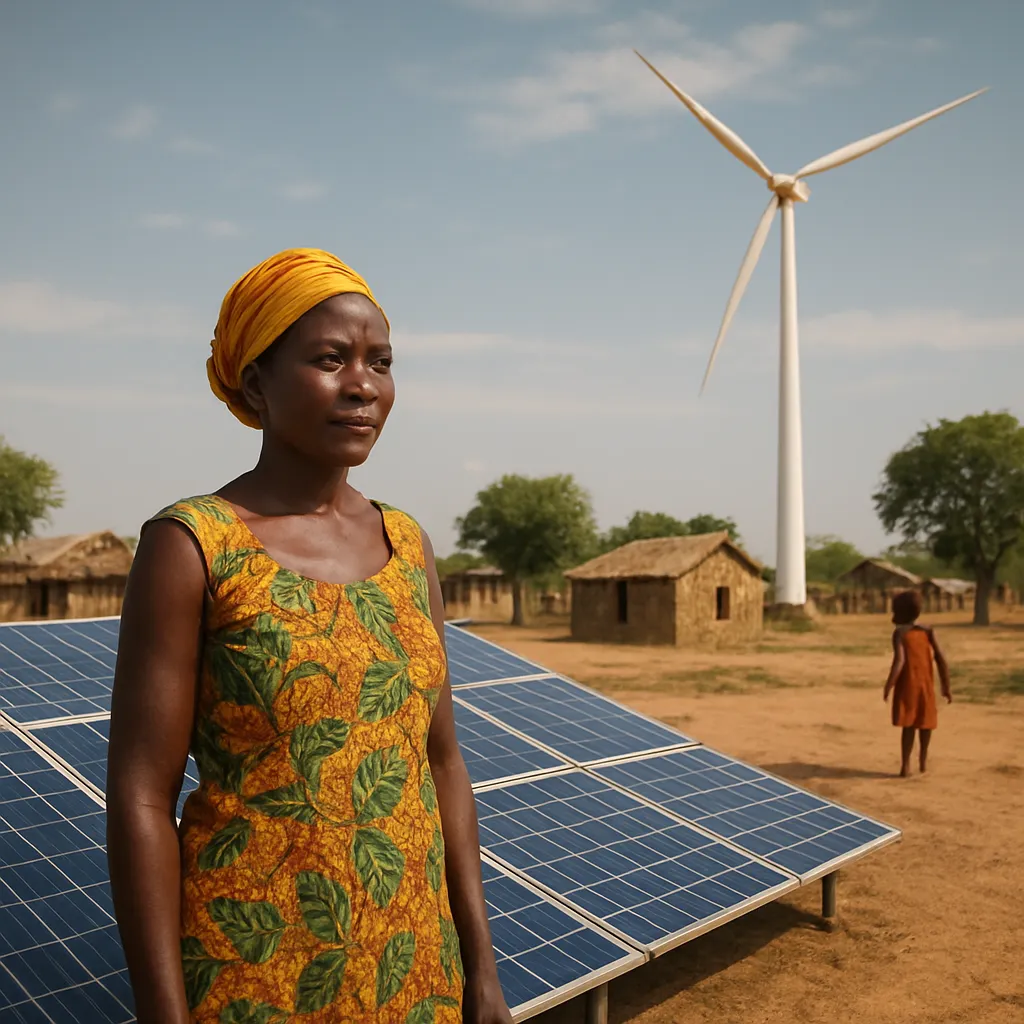
Expanding access to clean and reliable power presents a transformative opportunity for underinvested regions. By leveraging sustainable resources, economies can reduce dependency on volatile fossil fuel markets, enhance local capacity, and foster inclusive growth. This article examines how integrating renewable energy solutions can reshape economic landscapes in low-income nations through targeted interventions and strategic partnerships.
Renewable Energy and Economic Growth
Harnessing the potential of wind, solar, hydro, and biomass can catalyze long-term expansions in productivity. Decentralized systems like microgrids and off-grid solar installations bypass the constraints of outdated infrastructure, delivering immediate benefits:
- Job creation: Manufacturing, installation, and maintenance of renewable technologies generate employment across multiple skill levels.
- Cost stability: Unlike fossil fuels, renewables incur minimal variable costs, shielding communities from price shocks.
- Energy security: Diversified energy portfolios reduce vulnerability to geopolitical tensions affecting imported fuels.
Enhancing Local Value Chains
Investments in localized production of solar panels or wind turbine components can nurture industrial clusters. Governments and the private sector can incentivize domestic manufacturers through tax breaks, training initiatives, and expedited permits. These measures spur innovation, increase resilience, and enable technology transfer from advanced to emerging markets.
Empowering Small and Medium Enterprises
Reliable electricity underpins the growth of SMEs, which often suffer from high operational costs due to erratic power supplies. With steady access to clean energy, businesses can extend working hours, adopt modern equipment, and increase output quality. Microfinance institutions can offer tailored loans for renewable installations, ensuring affordability and risk mitigation.
Social and Environmental Benefits
Beyond economic expansion, renewable energy projects yield significant social dividends:
- Health improvements: Reducing indoor air pollution from traditional biomass cooking lowers respiratory illness rates.
- Education access: Electrified schools can utilize digital tools and evening classes for adult learners.
- Gender equality: Access to clean energy lightens domestic burdens, empowering women to pursue education or small businesses.
Environmental Sustainability
Transitioning to low-emission systems aligns with global climate goals by curbing greenhouse gas outputs. Afforestation initiatives linked to biomass supply promote carbon sequestration while preserving ecosystems. Additionally, decentralized solar or wind farms limit large-scale habitat disruption often associated with thermal power stations.
Community Engagement and Ownership
When locals participate in the planning and governance of renewable projects, outcomes improve dramatically. Cooperative models can distribute revenues equitably, strengthening social cohesion. Training programs for technicians and administrators foster local expertise, reducing dependency on external consultants and ensuring long-term maintenance.
Policy Frameworks and Investment Strategies
Effective policy design attracts capital and safeguards returns for stakeholders. Key components include:
- Transparent regulations: Clear licensing and permitting procedures minimize bureaucratic delays.
- Feed-in tariffs or auctions: Predictable compensation structures encourage developers to invest in renewable generation.
- Subsidy reform: Phasing out fossil fuel subsidies reallocates funds toward clean energy incentives.
Public-Private Partnerships
Collaboration between governments, multilateral organizations, and private firms unlocks technical expertise and diversified financing. Blended finance models—combining grants, concessional loans, and equity—reduce perceived risks for commercial investors. Such frameworks foster scalable projects, from utility-scale solar parks to rural electrification schemes.
Risk Mitigation Tools
Political and currency fluctuations can deter investment. Instruments like partial risk guarantees, currency hedging facilities, and political risk insurance protect stakeholders against unforeseen disruptions. Strengthening legal frameworks for contract enforcement further bolsters investor confidence.
Case Studies: Success Stories from the Field
Several nations illustrate the transformative power of renewable energy deployment:
East Africa’s Solar Revolution
Regions of Kenya and Tanzania have seen an explosion of pay-as-you-go solar home systems. Mobile payment platforms allow households to purchase energy in small increments, eliminating upfront cost barriers. Thousands of entrepreneurs now sell and service these units, generating substantial local incomes.
Bangladesh’s Micro-Hydro Initiatives
In hilly regions, community-run micro-hydro plants deliver clean power to villages previously off-grid. Cooperative management structures reinvest profits into schools, healthcare, and further energy expansions. This self-sustaining model has lifted living standards while preserving riparian ecosystems.
Latin America’s Wind Corridor
Countries like Chile and Argentina have capitalized on coastal wind corridors to establish large-scale farms. Long-term power purchase agreements (PPAs) with industrial consumers guarantee demand, attracting foreign direct investment. Grid upgrades financed by multilateral lenders have improved overall system reliability.
Future Outlook
Emerging technologies—such as green hydrogen, grid-scale storage, and digital control systems—promise to deepen the impact of renewable energy in poor nations. By prioritizing innovation and capacity building, stakeholders can secure a future where clean power drives sustainable economic development, empowers communities, and safeguards the planet.