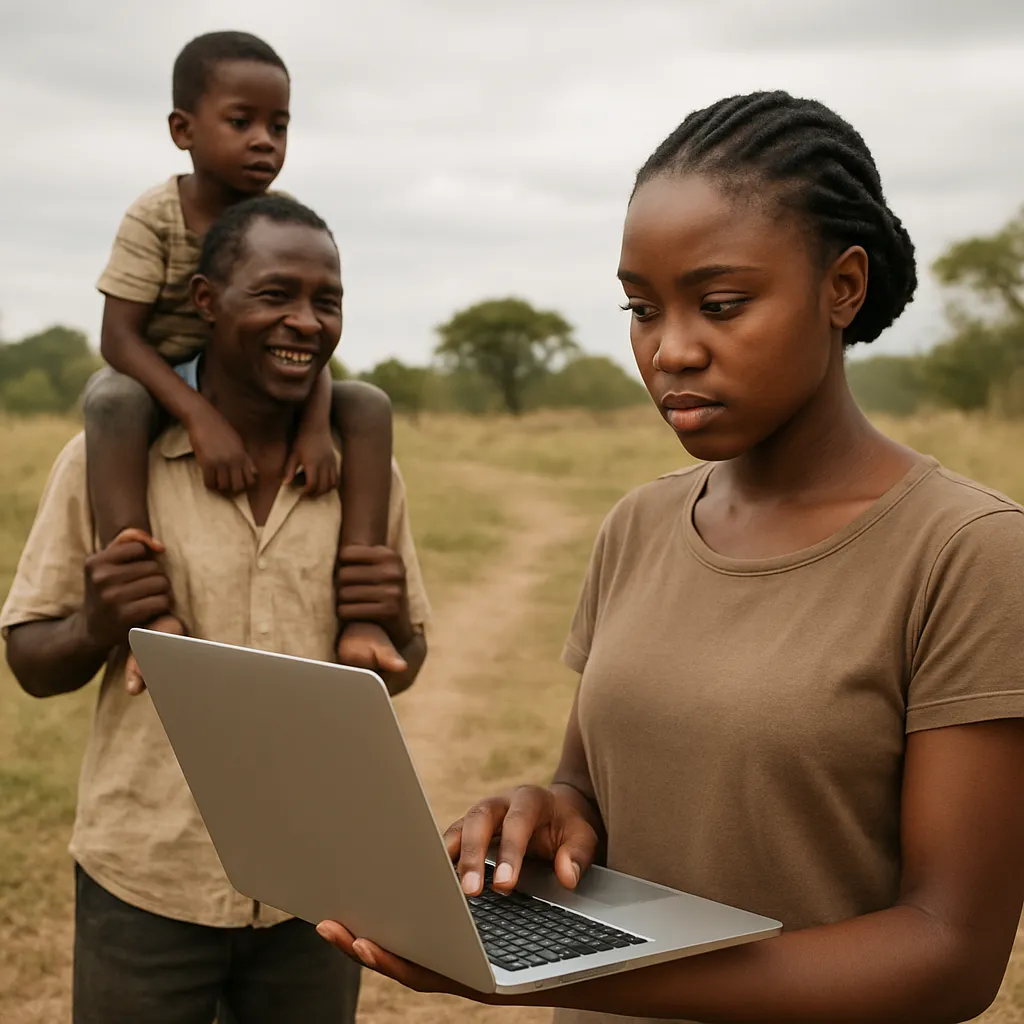
At the intersection of demographics, technology, and policy, women have emerged as pivotal agents of transformation within the global market. Their growing **participation** reshapes labor dynamics, fuels **innovation**, and challenges long-standing inequalities. This article explores the multifaceted contributions of women to economic growth, the obstacles they face, and the strategies that drive greater **inclusion** worldwide.
Historical Foundations
Over centuries, shifts in social norms and industrial revolutions gradually expanded women’s roles beyond the domestic sphere. From small‐scale cottage industries to trade guilds, women have long provided essential labor—often unacknowledged and **undervalued**. Landmark milestones such as women’s suffrage in the early 20th century and post-World War II workforce demands set the scene for more equitable labor markets. However, persistent **inequality** in wages and **representation** has limited full economic participation.
- Pre-industrial era: Household production and artisanal crafts dominated by female labor.
- 20th century shifts: Entry into manufacturing and service sectors accelerated by wars and technological advances.
- Late 20th century: Rise of professional occupations and greater educational attainment.
While the roots of modern economic structures were laid by both genders, women’s contributions often remained invisible in official statistics. Recent efforts in data collection and gender‐disaggregated reporting have unveiled the true scale of women’s work and its impact on **productivity**.
Breaking Barriers: Challenges and Opportunities
Despite remarkable progress, women still encounter systemic barriers that limit their ability to thrive economically. Key challenges include:
- Gender wage gap: Women, on average, earn between 60% and 75% of men’s wages for comparable roles.
- Occupational segregation: Disproportionate concentration in low-paid sectors such as care and retail.
- Limited access to finance: Female entrepreneurs face higher interest rates and collateral requirements.
- Cultural norms: Social expectations continue to assign primary caregiving responsibilities to women.
- Underrepresentation in leadership: Boardrooms and government bodies remain male-dominated.
Yet each barrier represents an opportunity for targeted interventions. For instance, promoting **entrepreneurship** among women can drive job creation and innovation. Access to affordable childcare and parental leave policies can boost female labor force participation rates. Meanwhile, digital platforms offer unprecedented avenues for women to circumvent traditional constraints and engage in global trade.
Policy Interventions and Global Initiatives
Recognizing the economic imperative of gender equity, governments, multilateral institutions, and NGOs have launched numerous programs to foster women’s **empowerment**. Notable initiatives include:
- Financial inclusion schemes providing microloans and mobile banking to underserved female entrepreneurs.
- Educational campaigns encouraging STEM (Science, Technology, Engineering, Mathematics) training for girls and young women.
- Legislative reforms mandating gender quotas in corporate boards and public sector leadership.
- International development projects focusing on rural livelihoods and women’s cooperative enterprises.
Gender equality is increasingly framed not only as a moral or social goal but as a driver of sustainable development. The United Nations’ Sustainable Development Goals, particularly Goal 5 (Achieve gender equality), underscore the link between **inclusion** and long-term economic resilience. Studies show that narrowing the gender gap in employment could add trillions of dollars to global GDP by 2030.
Key policy levers:
- Legal reforms: Enforcing equal pay legislation and anti-discrimination laws.
- Tax incentives: Offering credits to companies that demonstrate gender‐balanced leadership.
- Social protection: Expanding maternity benefits and universal childcare services.
- Capacity building: Funding mentorship and networking programs for aspiring female managers.
Case Studies and Future Directions
Across continents, success stories illustrate how empowering women yields tangible economic returns:
- Rwanda’s gender-balanced parliament has fueled progressive policies, catalyzing improvements in healthcare, education, and infrastructure. Female legislators prioritize community development, translating into higher human development indices.
- In Southeast Asia, digital marketplaces have enabled thousands of rural women artisans to reach international buyers, increasing household incomes by up to 40%.
- European nations with strong parental leave frameworks and subsidized childcare (e.g., Sweden, Iceland) exhibit some of the highest female labor force participation rates globally, driving **sustainability** in social welfare systems.
Looking ahead, several trends will shape the trajectory of women’s economic roles:
- Automation and AI: Skills training and lifelong learning are vital to ensure women remain competitive amid technological disruption.
- Green economy: Renewable energy and circular economy sectors offer new employment avenues, demanding inclusive recruitment and leadership policies.
- Global supply chains: Corporate commitments to ethical sourcing increasingly require gender-sensitive auditing and capacity building at the supplier level.
- Fintech innovations: Blockchain and peer-to-peer lending platforms can further democratize access to capital for women worldwide.
By integrating a gender lens into economic planning, stakeholders can harness the full potential of the female workforce. Through collaborative efforts—uniting public, private, and civil society actors—the global economy stands to become more **resilient**, dynamic, and just for all.