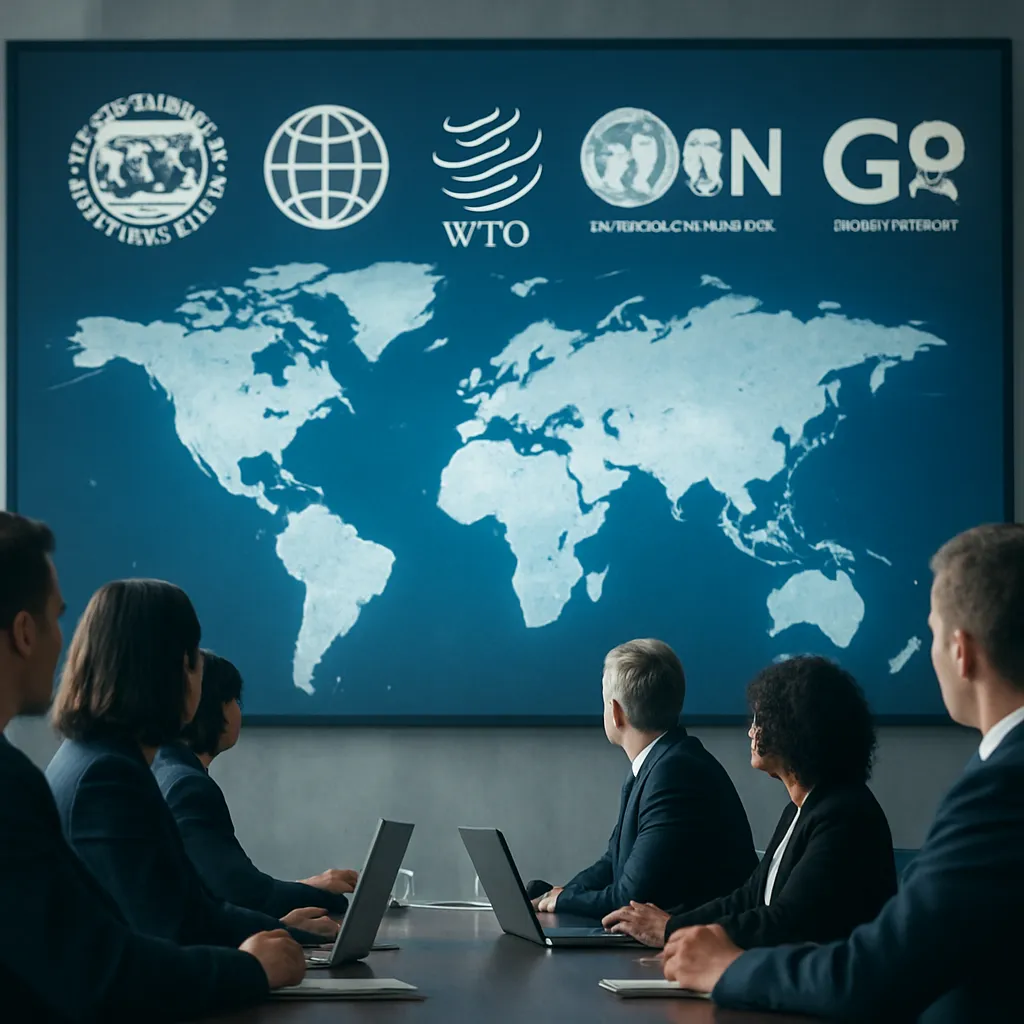
The landscape of international economic collaboration is undergoing a profound transformation driven by shifting power dynamics, technological breakthroughs, and urgent global challenges. As traditional frameworks strain under mounting pressures, policy makers, civil society, and the private sector must reimagine the roles and responsibilities of global institutions. This discussion explores emerging trends, key obstacles, and strategic pathways that will shape the future of international economic organizations.
Global Economic Governance in Transition
International economic architecture has long been anchored by institutions established in the mid-20th century. However, the rise of new economic actors and evolving global priorities demand a thorough reassessment of existing modalities. The interplay between established powers and emerging markets underscores the need for more inclusive decision-making processes that reflect contemporary realities.
Rise of New Economic Powers
Over the past two decades, nations in Asia, Africa, and Latin America have accelerated growth rates, contributing significantly to global GDP. The ascent of these economies has prompted calls for equitable representation within institutions such as the IMF, World Bank, and WTO. A growing share of global trade and investment now originates from countries that were once peripheral in policy forums. Recognizing this shift means rebalancing voting shares, leadership roles, and funding contributions to ensure that burgeoning economies have a seat at the table.
Evolution of Institutional Frameworks
Traditional multilateral institutions face criticism for cumbersome governance structures, opaque decision-making, and slow response times. In response, the international community is experimenting with various models:
- Flexible coalitions that convene around specific issues rather than full membership, enhancing agility.
- Public-private partnerships that leverage private capital and expertise for infrastructure, health, and climate initiatives.
- Regional development banks that complement global institutions by tailoring solutions to local contexts.
These innovations aim to promote cooperation without being bogged down by procedural inertia, fostering more dynamic approaches to crises and opportunities.
Key Challenges and Opportunities
As the global economy becomes more interconnected, international organizations must navigate a complex web of interdependencies. Three primary forces—digitalization, climate change, and social inclusion—will define the agenda for the coming decade.
Digital Disruption and Financial Technology
The rapid expansion of fintech, blockchain, and digital currencies is reshaping cross-border transactions, remittances, and capital flows. International bodies face the dual task of fostering innovation while mitigating risks associated with cyber threats, data privacy breaches, and financial instability. Key considerations include:
- Regulatory frameworks for stablecoins and central bank digital currencies (CBDCs).
- Standards for anti-money laundering (AML) and combating the financing of terrorism (CFT) in a digital context.
- Capacity-building for developing nations to integrate digital financial services safely.
Effective oversight can enhance resilience in global payment systems and promote financial inclusion for unbanked populations.
Climate Change and Sustainable Development
Economic growth must be reconciled with environmental stewardship. International economic organizations are increasingly tasked with mobilizing funding for green infrastructure, renewable energy, and climate adaptation projects. They also need to coordinate policy responses to carbon pricing, supply-chain decarbonization, and biodiversity preservation. Sustainable financing mechanisms, such as green bonds and climate risk insurance pools, offer promising avenues for channeling investment where it is most needed. In this context, the principle of common but differentiated responsibilities (CBDR) underpins calls for developed nations to provide financial and technical support to climate-vulnerable states.
Advancing Social Equity and Inclusive Growth
Addressing rising inequality and ensuring that economic gains benefit all segments of society is paramount. International organizations are exploring strategies to embed social safeguards within trade agreements and investment treaties. Examples include:
- Labor standards clauses that protect workers’ rights in global supply chains.
- Gender-responsive budgeting tools to reduce the gender pay gap and support female entrepreneurship.
- Social protection frameworks that cushion vulnerable populations from economic shocks.
By prioritizing equity, institutions can foster more stable societies and sustainable economic expansion.
Strategies for Future Resilience
To thrive in a volatile environment, international economic organizations must embrace reform, nurture trust among stakeholders, and harness innovation. The following strategic pillars offer a roadmap for enhancing effectiveness and legitimacy.
Reforming Multilateral Institutions
Fundamental changes to governance structures are necessary to reflect the 21st-century distribution of economic power. Suggested reforms include:
- Adjusting quota and voting systems to align with current GDP contributions and demographic weight.
- Introducing term limits and transparent appointment processes for senior leadership positions.
- Enhancing accountability by strengthening oversight bodies and enabling parliamentary monitoring.
Such measures would bolster the credibility of institutions and ensure that diverse voices play a meaningful role in shaping global policies.
Strengthening Regional Cooperation
While global frameworks provide overarching guidelines, regional groupings can address localized challenges more effectively. Initiatives like the African Continental Free Trade Area (AfCFTA) and the Comprehensive and Progressive Agreement for Trans-Pacific Partnership (CPTPP) demonstrate how regional integration can drive economic growth. Encouraging collaboration between regional development banks and global institutions can:
- Accelerate infrastructure development through co-financing arrangements.
- Facilitate knowledge sharing on regulatory best practices.
- Build regional value chains that enhance competitiveness.
By aligning multilateralism with subregional priorities, stakeholders can achieve more nuanced and actionable outcomes.
Embracing Innovation and Inclusivity
Emerging technologies and novel governance models present opportunities to revitalize international economic cooperation:
- Blockchain-based platforms for transparent tracking of development funds and reducing corruption.
- Data-sharing consortia that harness artificial intelligence to forecast economic trends and preempt crises.
- Inclusive digital forums that enable stakeholders from civil society, academia, and the private sector to co-create policy solutions.
Underpinning these efforts is a commitment to sustainable progress that leaves no community behind. By leveraging innovation and fostering broad-based engagement, international economic organizations can enhance their governance capabilities and chart a path toward shared prosperity.