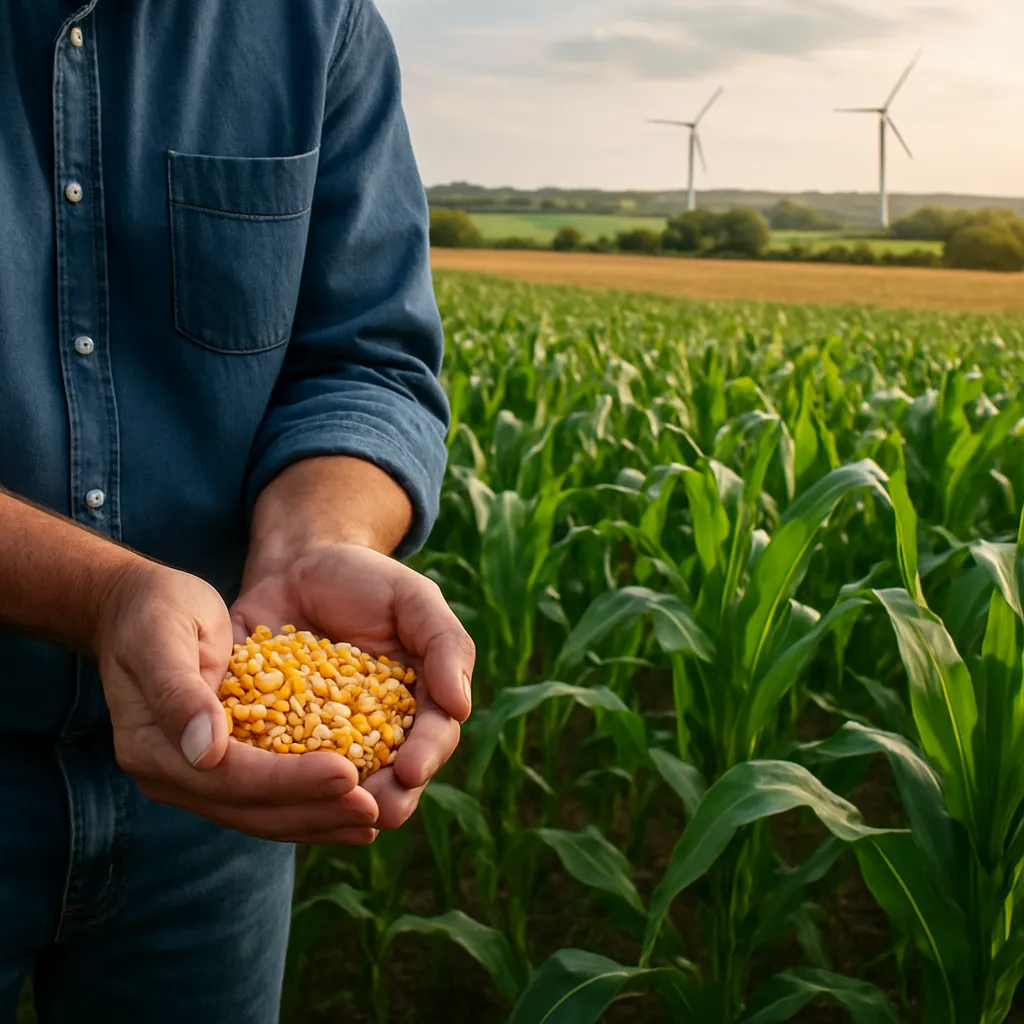
The complex relationship between economic growth, resource management, and ecological balance shapes the future of global food systems. By examining market dynamics, production efficiencies, policy mechanisms, and social considerations, one can better understand how to foster a truly sustainable and resilient agricultural framework. This article delves into multiple facets of the world economy and sustainability, emphasizing the roles of innovation, equity, and governance in addressing the challenges ahead.
Global supply chains and efficiency
Modern food supply chains span continents, linking farmers, processors, distributors, and consumers in a vast network. Advances in logistics and digital tracking have increased efficiency, but they also introduce vulnerabilities related to geopolitical tensions and environmental shocks. Analyzing this ecosystem requires understanding both the benefits of scale and the risks of centralization.
Network optimization
Optimized routes, cold chain management, and real-time data analytics help reduce spoilage and costs. Yet, overreliance on a few major transit corridors can undermine resilience when disasters strike. Balancing centralized hubs with regional distribution centers enhances redundancy.
Value chain diversification
- Local sourcing initiatives that support smallholder farmers
- Multi-modal transport solutions combining road, rail, and maritime links
- Blockchain-based traceability for improved transparency
Emphasizing interdependence among stakeholders encourages more collaborative approaches to risk-sharing and investment in sustainable infrastructure.
Economic impacts of climate change
Climate change imposes both immediate and long-term costs on the agricultural sector. Fluctuating weather patterns, extreme events, and shifting pest pressures undermine productivity. Forecasting models suggest potential GDP declines in regions heavily reliant on rain-fed agriculture unless adaptive measures are deployed.
Cost-benefit analysis of adaptation
Investments in irrigation, drought-resistant seeds, and precision agriculture come with significant upfront costs. However, over a multi-decade horizon, these measures often yield net savings by reducing crop failures and stabilizing yields. Integrating carbon pricing or insurance schemes can further incentivize farmers to adopt climate-smart practices.
Regional disparities
- Africa faces financing gaps for large-scale irrigation projects.
- South Asia contends with monsoon variability and flooding.
- Latin America explores agroforestry to sequester carbon and protect soils.
These differing contexts demand customized policy frameworks that address both social equity and economic viability.
Sustainable agricultural practices and innovation
Technological breakthroughs are reshaping how food is produced. From vertical farming in urban centers to gene-edited crops tailored for resilience, innovation drives change. Yet, scaling these solutions requires supportive market conditions and knowledge transfer to small-scale operations.
Precision and digital farming
Sensors, drones, and AI-driven analytics improve input application, enabling farmers to minimize waste while maximizing outputs. Adoption rates vary, but pilot programs consistently demonstrate reductions in water and fertilizer usage by up to 30%.
Regenerative approaches
- Cover cropping and reduced tillage to rebuild soil health
- Integrated pest management to lower chemical dependencies
- Agroecological design supporting biodiversity and carbon sequestration
By marrying high-tech and low-tech solutions, the sector can achieve greater environmental stewardship without sacrificing productivity.
Policy frameworks and governance
Effective regulation and institutional oversight are critical for aligning private incentives with collective goals. Multilateral agreements, national legislation, and local ordinances each play distinct roles in shaping sustainable food systems.
Trade agreements and tariffs
Preferential trade terms can encourage the exchange of climate-resilient seeds and sustainable agrochemicals. Conversely, punitive tariffs on so-called “unsustainable” imports might spur domestic producers to adhere to higher environmental standards.
Carbon and water markets
- Cap-and-trade systems for agricultural emissions
- Water rights trading to allocate scarce resources efficiently
- Payment for ecosystem services rewarding conservation practices
Robust governance mechanisms ensure transparency and accountability, fostering long-term investments in rural infrastructure and green technology. Trust in institutions remains a cornerstone of successful reform.
Social equity and food security
Ensuring affordable and nutritious food access for all populations requires addressing structural inequalities. Marginalized communities often bear the brunt of price hikes, supply disruptions, and environmental degradation. Policies that prioritize inclusive growth can mitigate these disparities.
Gender and land rights
Women play pivotal roles in farming and food processing yet frequently lack legal control over land and financial services. Strengthening property rights and credit access empowers female producers and enhances overall system equity.
Urban-rural linkages
- Urban agriculture initiatives improving local diets and job opportunities
- Rural cooperatives facilitating bulk purchasing and marketing
- Education and extension services bridging knowledge gaps
By fostering social inclusion, policymakers can reduce malnutrition and promote more stable consumption patterns, reinforcing broader economic growth objectives.
Technological advances and future trends
Emerging innovations are poised to transform the global food landscape. Developments in cell-cultured proteins, smart greenhouses, and biotech applications hold promise, but they also pose regulatory and ethical questions.
Alternative proteins
Lab-grown meat and plant-based substitutes are gaining traction among consumers seeking lower environmental footprints. Economies of scale and evolving taste preferences will determine market penetration rates over the next decade.
Blockchain and traceability
- Immutable ledgers verifying origin and quality
- Smart contracts automating payments based on predefined metrics
- Reduced fraud and improved consumer confidence
These technologies can reinforce supply chain integrity and support more informed decision-making. The integration of digital platforms with traditional farming practices exemplifies the ongoing convergence of the physical and virtual economies, driving future innovation and growth.