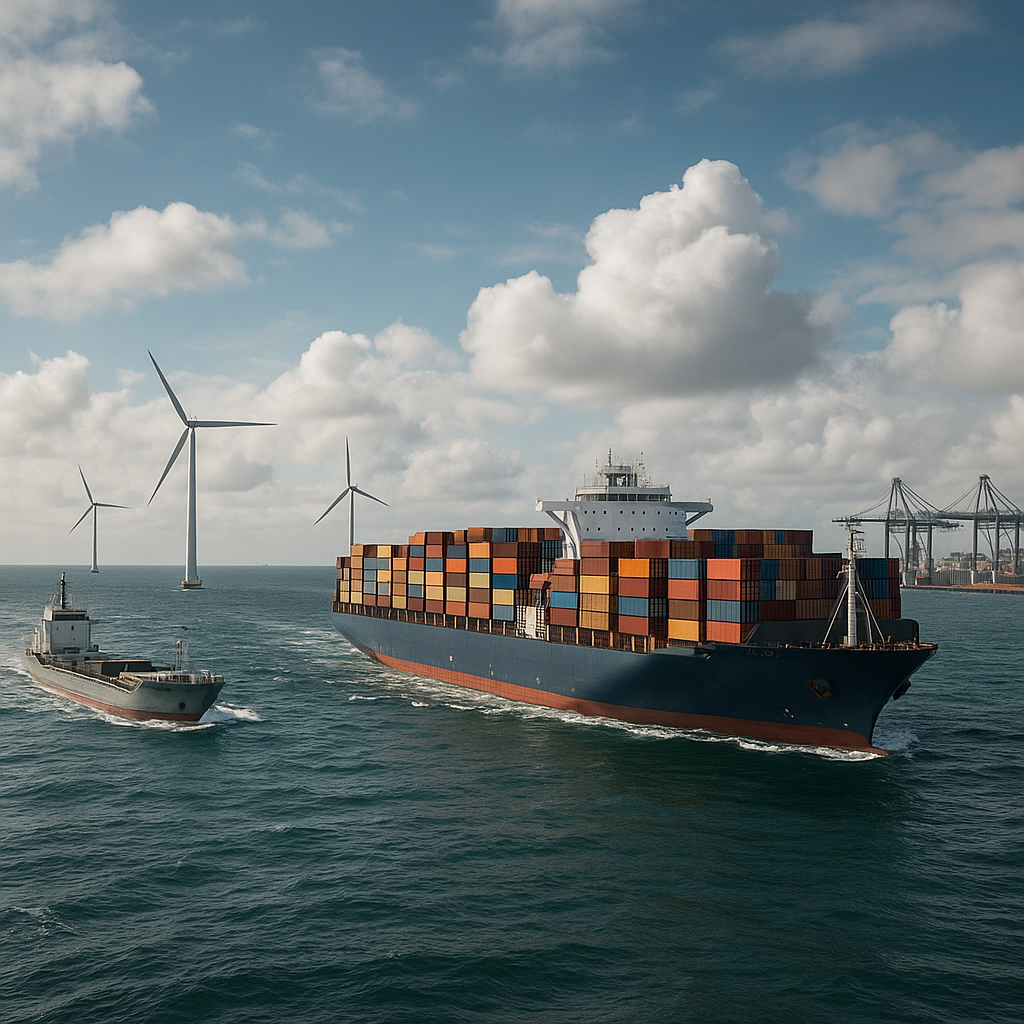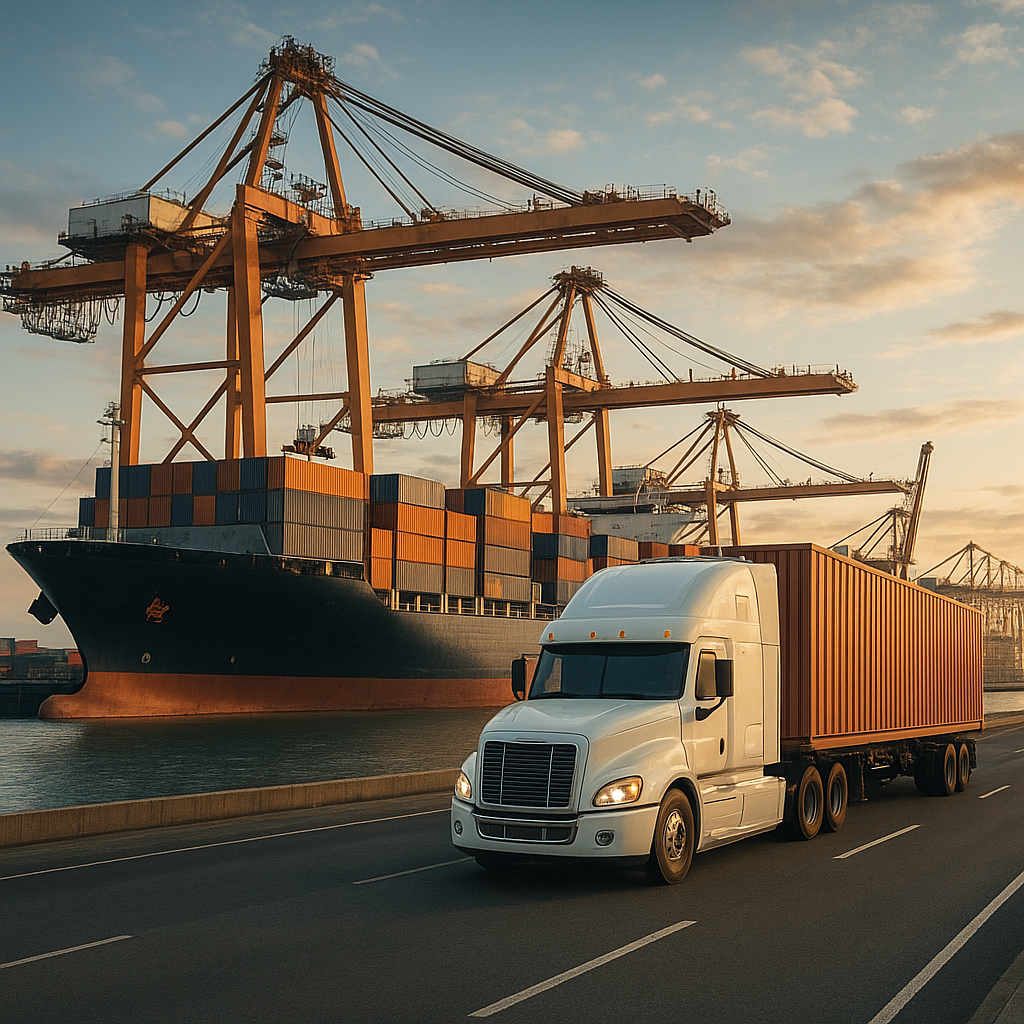
The Future of Global Shipping and Logistics sits at the crossroads of economic growth, technological breakthroughs, and environmental imperatives. As maritime routes and supply chains intertwine across continents, stakeholders face unprecedented transformations. From evolving trade patterns to the integration of cutting-edge technologies, this landscape demands adaptability and foresight. This article explores the major forces shaping the shipping and logistics sector, offering insights into how companies and governments can seize opportunities and mitigate risks.
Emerging Trends Redefining Industry Dynamics
International trade volumes continue to rise, fueled by shifting consumer preferences and regional partnerships. Such growth brings both challenges and opportunities for carriers, port operators, and freight forwarders. Among the key trends:
- Interoperability in data exchange, ensuring seamless collaboration among diverse stakeholders.
- Evolution of geopolitical alignments, reshaping major shipping corridors.
- Demand for more agile networks to respond to disruptions like pandemics or climate events.
- Rising e-commerce volumes, intensifying the pressure on last-mile delivery solutions.
One notable shift is the reconfiguration of global supply chains. As companies pursue resilience over pure cost savings, they are diversifying their sourcing strategies. This “China plus one” approach complements traditional manufacturing hubs with additional facilities in Southeast Asia, Latin America, and Eastern Europe. Consequently, shipping lines are adjusting routes and schedules to accommodate emerging demand centers. Simultaneously, port alliances and regional blocs are investing heavily in infrastructure upgrades to capture new freight flows.
Technology and Innovation Driving Efficiency
Innovations in logistics are aiming to streamline operations and reduce friction across the value chain. Leading advancements include:
- Automation of terminals and warehouses, cutting turnaround times and labor costs.
- artificial intelligence and machine learning to optimize vessel scheduling and predictive maintenance.
- Deployment of blockchain platforms for secure, transparent documentation and smart contracts.
- Use of big data analytics to forecast demand, adjust capacity, and manage inventory.
Automated guided vehicles (AGVs) and robotic cranes are revolutionizing port operations, enabling 24/7 handling with minimal human intervention. For ocean carriers, predictive analytics tools utilize real-time satellite data and engine sensors to anticipate mechanical issues before they escalate into costly delays. Logistics service providers are also leveraging blockchain to create a trusted repository for bills of lading, customs declarations, and certificates of origin, significantly reducing paperwork and the risk of fraud.
Digital Platforms and Ecosystems
Digital freight marketplaces are connecting shippers directly with carriers, fostering competition and transparency. These platforms often integrate dynamic pricing models, route optimization, and carbon footprint calculators, giving customers greater control over cost and environmental impact. Additionally, application programming interfaces (APIs) enable legacy systems to communicate with cloud-based services, promoting interoperability and data-driven decision-making.
Sustainability and Decarbonization Challenges
Pressure from regulators, investors, and consumers is driving the shipping industry toward a low-carbon future. Key levers for decarbonization include:
- Transitioning to alternative fuels such as liquefied natural gas (LNG), biofuels, hydrogen, and ammonia.
- Implementing energy-efficient ship designs, including wind-assisted propulsion and air lubrication systems.
- Optimizing voyage planning to reduce idle time and unnecessary detours.
- Adopting shore power in ports to minimize emissions from auxiliary engines.
Under frameworks like the International Maritime Organization’s (IMO) strategy, the industry aims for a 50% reduction in greenhouse gas emissions by 2050 compared to 2008 levels. Achieving this target requires collaboration across the entire ecosystem—shipowners, charterers, ports, and fuel suppliers. Some innovators are exploring carbon capture onboard vessels, while others are experimenting with digital twins to simulate and improve energy performance.
Balancing Sustainability and Cost
Despite environmental benefits, deploying green technologies often involves higher upfront investments. Stakeholders must evaluate total cost of ownership over a vessel’s lifespan, accounting for potential fuel savings, regulatory penalties, and brand reputation gains. Public-private partnerships and green financing instruments, such as sustainability-linked loans and blue bonds, are emerging to bridge the funding gap and accelerate adoption.
Resilience, Risk Management, and Future Outlook
Recent disruptions—from global health crises to supply chain blockages—underscore the importance of operational resilience. Embracing a holistic risk management approach involves:
- Implementing multi-sourcing strategies to avoid single points of failure.
- Enhancing visibility through IoT sensors and real-time tracking solutions.
- Conducting stress tests and scenario planning for extreme events.
- Strengthening cybersecurity defenses against digital threats.
A resilient supply chain can reroute shipments, reallocate inventory, and adjust capacity dynamically in response to volatility. Companies are increasingly turning to digital control towers that aggregate data across ocean, air, and land carriers, providing a unified view of shipments and enabling rapid decision-making.
Geoeconomic Shifts and Trade Policy
Ongoing trade negotiations, sanctions, and tariff regimes continue to influence shipping patterns. The rise of regional trade agreements—such as the Comprehensive and Progressive Agreement for Trans-Pacific Partnership (CPTPP) and the African Continental Free Trade Area (AfCFTA)—is creating new hubs of activity. Meanwhile, digital customs systems and single-window platforms are expediting border clearances, reducing dwell times, and cutting administrative costs.
Looking ahead, the convergence of technological innovation and environmental stewardship will define the future of global shipping and logistics. Stakeholders that embrace digitalization, invest in resilience, and align with sustainability goals will unlock new opportunities for growth, efficiency, and competitive advantage.