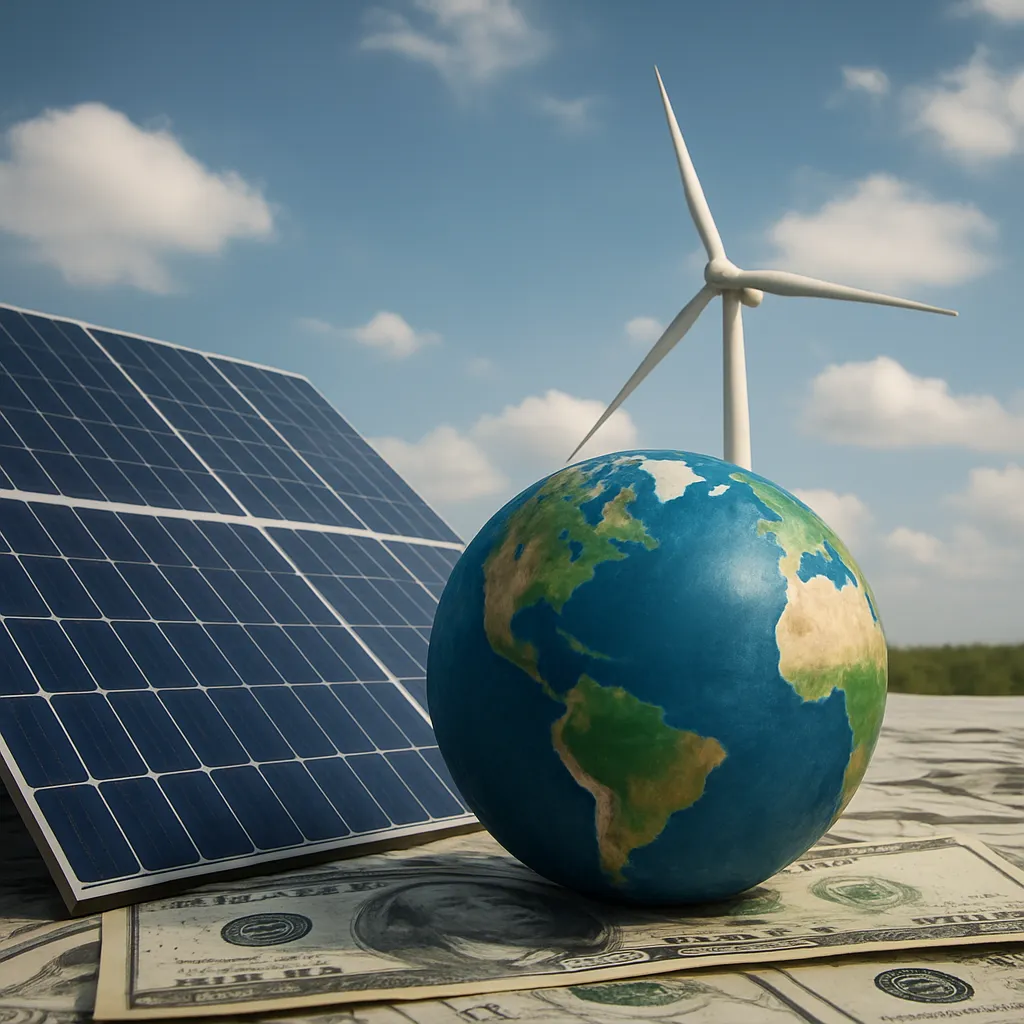
At the heart of contemporary policy debates lies the intersection of environmental stewardship and economic strategy. The Green New Deal emerges as a comprehensive framework aiming to catalyze a global shift toward a low-carbon future while fostering inclusive growth. Its proponents underscore how large-scale public spending and regulatory reform could deliver innovation, job creation, and enhanced resilience in economies worldwide. Critics caution against potential disruptions in traditional industries and fiscal burdens. This article examines how the Green New Deal’s principles can reshape global economies, highlighting both the transformative potential and the obstacles that lie ahead.
The Economic Rationale Behind the Green New Deal
The rationale for adopting Green New Deal policies centers on mounting evidence that unchecked climate change will inflict severe economic damage. From intensified natural disasters to supply chain disruptions, the cost of inaction is projected to far exceed the initial investments required for decarbonization. By channeling funds into renewable energy infrastructure, energy-efficient buildings, and clean transportation, governments aim to stimulate demand across multiple sectors. This investment-driven approach promises to:
- Accelerate the adoption of breakthrough technologies in solar, wind, and battery storage
- Stimulate domestic manufacturing through stimulus packages and procurement mandates
- Create a diversified workforce equipped with green skills
- Enhance competitiveness in global markets by leading in sustainable industries
Furthermore, proponents argue that public-private partnerships and targeted subsidies can lower financing costs for emerging firms, removing barriers to entry and fostering a wave of innovation. Such policies could spur a virtuous cycle: as clean technologies become more widespread, economies of scale drive down prices, boosting consumer adoption and encouraging further private-sector investment.
Sectoral Transformations and Market Dynamics
Energy Sector
The most immediate impact of the Green New Deal will be felt in energy markets. Fossil fuel producers may face stranding risks as carbon pricing, emissions caps, and renewable portfolio standards converge to erode the competitiveness of coal and natural gas. Yet, this transition also presents an opportunity for energy-intensive economies to modernize their grids, integrate smart technologies, and reduce long-term operational costs. Governments that orchestrate a planned phase-out of high-emission assets can mitigate social disruption by funding:
- Retraining programs for displaced workers
- Infrastructure upgrades to support decentralized renewable generation
- Research grants for next-generation nuclear or hydrogen solutions
Transportation and Urban Development
Automotive and aviation industries are under pressure to accelerate the shift to electric and hydrogen-powered vehicles. Infrastructure spending on charging stations, high-speed rail, and urban mass transit can reshape commuting patterns, alleviate congestion, and reduce air pollution. Cities that embrace green zoning policies and incentivize mixed-use developments stand to benefit from increased property values and lower healthcare costs. In this context, infrastructure investments become a lever for broader economic modernization.
Agriculture and Land Use
Agricultural reform is another pillar of the Green New Deal. By promoting regenerative farming practices, soil carbon sequestration, and reduced food miles, nations can secure more resilient food systems. Subsidies and grants aimed at smallholder farmers encourage the adoption of agroforestry and precision agriculture. These measures not only lower greenhouse gas emissions but also increase yields, bolster rural incomes, and support biodiversity.
Challenges and Opportunities for Developing Nations
For low- and middle-income countries, the Green New Deal presents a double-edged sword. On one hand, adherence to stringent environmental standards can impose short-term constraints on growth trajectories driven by resource extraction. On the other, these nations stand to attract significant international funding for sustainable infrastructure projects, technology transfers, and capacity building. Key considerations include:
- Ensuring that financing mechanisms, such as green bonds and climate funds, are accessible and affordable
- Establishing robust governance frameworks to prevent corruption and ensure equitable distribution of resources
- Capacity building in policy design, monitoring, and evaluation to maximize impact
- Negotiating fair trade terms that recognize the need for a just transition without penalizing developing economies
Countries that successfully navigate these challenges may experience a demographic dividend as youth employment expands in clean-energy sectors. Moreover, early adopters of decarbonization technology can position themselves as exporters of expertise, creating new revenue streams and strengthening economic sovereignty.
International Cooperation and the Future of Sustainable Growth
The ultimate success of the Green New Deal hinges on deep collaboration among governments, multilateral institutions, and the private sector. No single nation can combat climate change in isolation; cross-border carbon markets and harmonized emissions standards are required to level the playing field. Trade policies must evolve to reward low-carbon goods while discouraging carbon-intensive imports through border adjustment mechanisms.
Multilateral development banks play a pivotal role by de-risking investments in emerging markets and offering technical assistance. Meanwhile, standard-setting bodies can facilitate common reporting protocols, ensuring transparency and comparability of sustainability metrics. As green finance matures, an expanding universe of environmental, social, and governance (ESG) instruments will promote accountability and mobilize capital for high-impact projects.
Looking ahead, the Green New Deal could serve as a blueprint for a new era of global economic governance—one where growth is redefined to incorporate environmental and social value. By aligning fiscal policy with climate objectives, policymakers aim to usher in a period of sustained prosperity characterized by equitable opportunity, sustainability, and shared resilience.