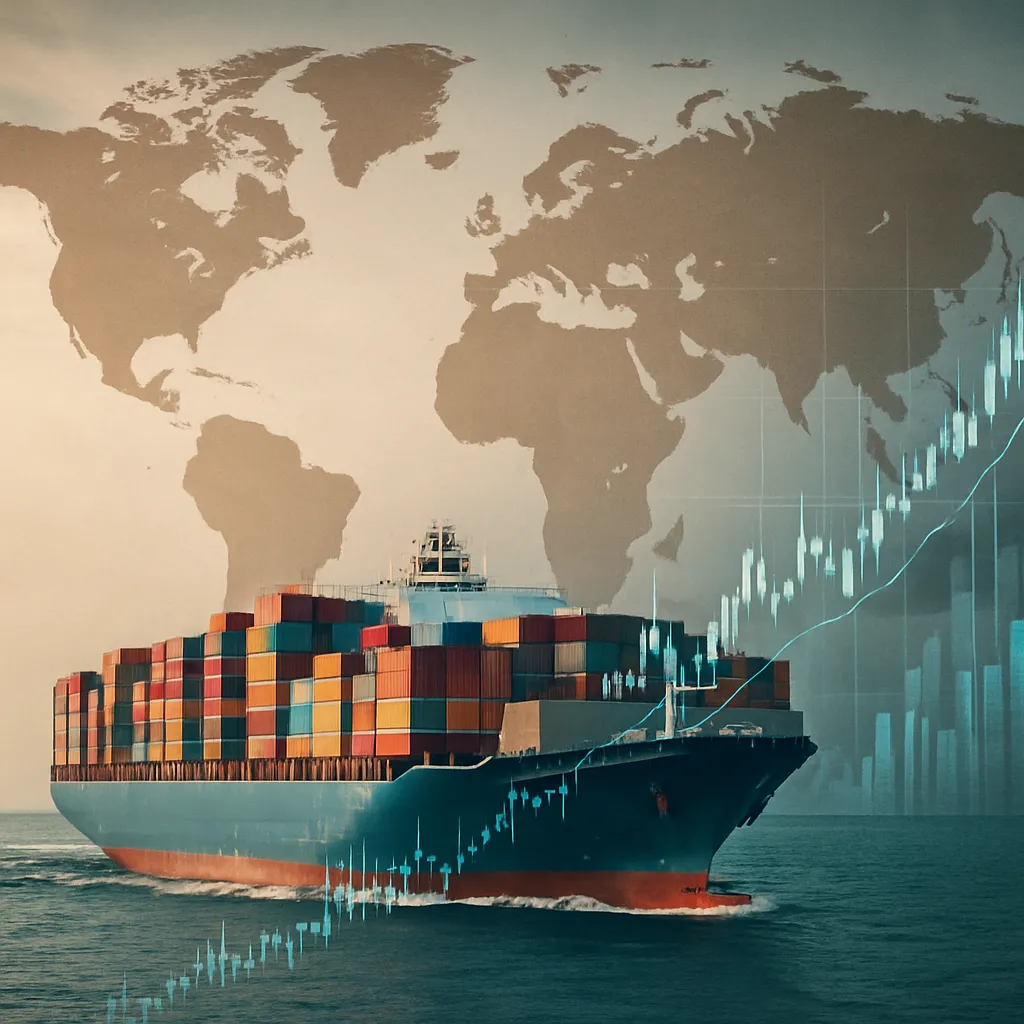
Global commerce is experiencing a profound transformation driven by seismic shifts in trade policy. As nations reassess their strategic priorities, decisions on tariffs, market access, and regulatory frameworks are reshaping the flow of goods and services across borders. Businesses and governments alike must adapt to a new environment where alliances can form swiftly, rules may change overnight, and traditional assumptions about globalization no longer hold. In this analysis, we explore how evolving policy landscapes are redrawing the patterns of international trade and what it means for economies around the world.
Trade Policy Evolution in the 21st Century
The post–World War II era was characterized by a surge in multilateralism, exemplified by the establishment of WTO in 1995 and a rules-based system aimed at reducing tariffs and non-tariff barriers. Over the last two decades, however, this consensus has been challenged by rising protectionism and a wave of bilateral and regional pacts. Governments are increasingly willing to use trade instruments to protect domestic industries and secure political leverage, marking a departure from the golden age of global free trade.
At the same time, the complexity of global value chains means that policies implemented in one region can have ripple effects elsewhere. For instance, a new levy on steel exports imposed by a major economy can drive up input costs for downstream manufacturers in multiple continents. Firms must now monitor policy developments not only in established markets but also in fast-growing hubs where regulatory frameworks are still taking shape.
Another significant trend is the proliferation of regional trade agreements that cover not only tariff reductions but also issues such as e-commerce, labor standards, and environmental protections. These modern treaties reflect a shift toward more comprehensive frameworks that address the interconnected nature of today’s trade challenges.
Supply Chain Realignments and Emerging Economies
The last few years have witnessed a dramatic reevaluation of global supply chains. Firms are pursuing strategies such as diversification and nearshoring to enhance resilience against disruptions—whether from pandemics, geopolitical tensions, or shipping bottlenecks. This realignment often involves shifting production away from a single dominant supplier nation into a broader network of partners.
Emerging markets in Southeast Asia, Latin America, and parts of Africa have become beneficiaries of these shifts. Governments in these regions are keen to attract foreign direct investment by offering incentives, upgrading ports and logistics corridors, and entering into preferential trade deals. As a result, we see a gradual redistribution of manufacturing footprints and a boost in export-led growth in several developing economies.
Nevertheless, the transition is not without challenges. Infrastructure gaps, skills shortages, and fluctuating policy signals can hinder the rapid scaling of new production bases. Companies must weigh the benefits of cost savings against the risks posed by regulatory uncertainty and operational complexity in unfamiliar territories.
Digital Trade and Technology Transfer
The rise of digital platforms and cross-border data flows has introduced a new dimension to global trade policy. Rules governing data localization, privacy, and cybersecurity are increasingly embedded in trade agreements, reflecting the critical role that digitalization plays in contemporary commerce. Nations are competing to define norms around data governance, cloud services, and intellectual property protection.
Technology transfer remains a contentious issue, particularly in sectors like semiconductors, biotechnology, and renewable energy. While some countries push for stricter safeguards to prevent forced transfers of know-how, others advocate for open frameworks that accelerate innovation diffusion. Balancing national security concerns with the benefits of global collaboration is a delicate policy challenge.
An illustrative development is the emergence of digital trade chapters in major pacts such as the Comprehensive and Progressive Agreement for Trans-Pacific Partnership (CPTPP) and the African Continental Free Trade Area (AfCFTA), which aim to harmonize standards and reduce barriers for e-commerce enterprises.
Geopolitical Tensions and Trade Wars
Recent years have seen trade policy become a frontline tool in broader geopolitical rivalries. Sanctions, export controls, and import restrictions are deployed not only for economic reasons but also to advance strategic objectives. These measures can disrupt markets, cripple specific industries, and force companies to recalibrate their global footprints.
- Export controls on advanced technologies
- Sector-specific sanctions targeting energy or defense
- Retaliatory tariffs in bilateral disputes
- Financial restrictions limiting access to international capital
Such actions intensify uncertainty. Businesses must invest heavily in compliance capabilities and scenario planning to navigate a landscape where policy tools are wielded aggressively. Over time, prolonged trade tensions risk fragmenting the global economy into competing blocs, potentially reducing the overall efficiency of resource allocation.
Future Trajectories of Global Commerce
Looking ahead, the trajectory of international trade will depend on how policymakers reconcile competing priorities: economic growth, national security, and social equity. There is a growing call for more inclusive trade models that integrate sustainability and labor standards, ensuring that the benefits of open markets are widely shared. At the same time, rapid technological change will continue to reshape comparative advantages, requiring agile policy responses.
Potential avenues for progress include reforming multilateral institutions to make them more responsive to contemporary challenges, deepening cooperation on climate-related trade measures, and strengthening dispute-resolution mechanisms to manage friction swiftly. The pursuit of digital trade standards and investment in clean energy industries may also provide common ground for collaboration among leading economies.
Ultimately, globalization’s next phase will likely be defined by a balance between integration and strategic autonomy. Those stakeholders—governments, corporations, and civil society—that develop the capacity to adapt quickly and engage constructively in policy debates will be best positioned to thrive in an ever-more interconnected marketplace.