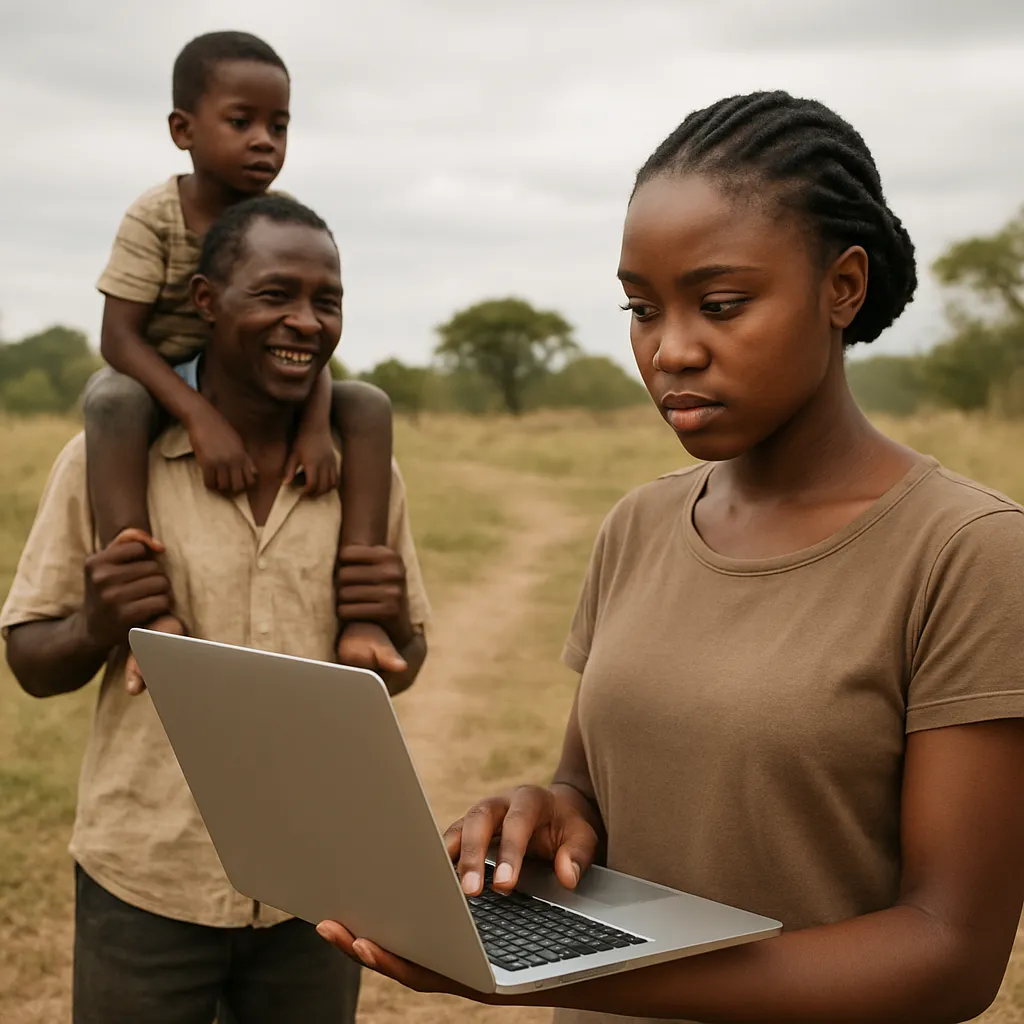
As the landscape of work undergoes a profound transformation, the rise of digital nomadism emerges as a catalyst reshaping the contours of global commerce. Far from being a fleeting trend, this mobile lifestyle intertwines with broader economic currents, redefining notions of talent distribution, innovation, and market accessibility. The following analysis delves into how this phenomenon influences major facets of the world economy, revealing both opportunities and challenges for nations, corporations, and individuals alike.
Global Labor Markets and Talent Distribution
The proliferation of remote-friendly technologies has empowered skilled professionals to untether themselves from physical offices, in turn spurring a wave of cross-border migration that defies traditional immigration models. As digital nomads seek cost-effective hubs offering high-speed connectivity and vibrant communities, host countries witness:
- Increased inflows of diverse talent, fostering innovation and cross-cultural exchange.
- Competition for amenities, driving local investments in infrastructure and urban services.
- Pressure on housing markets as demand for short- and mid-term rentals rises.
Meanwhile, home countries grapple with both brain drain and brain circulation. Savvy governments are crafting targeted policies—from special visa programs to tax incentives—to retain domestic expertise while attracting foreigners. This dynamic fuels a more fluid global labor ecosystem, where workers migrate based on lifestyle preferences as much as salary differentials.
Decentralization of Work Hubs
A significant outcome of remote work is the emergence of secondary cities and rural locales as viable employment centers. Freed from the gravitational pull of mega-cities, entrepreneurs and freelancers establish operations in regions offering lower overhead costs and improved quality of life. Governments leverage this trend by:
- Investing in digital infrastructure to boost connectivity.
- Creating co-working spaces in underdeveloped areas.
- Promoting regional tourism aligned with remote work packages.
Economic Benefits, Inequalities, and Sustainability
From an economic standpoint, digital nomads contribute fresh spending patterns that stimulate local service sectors—hospitality, leisure, and retail. Yet, the influx also intensifies inequality when locals face rising living costs without commensurate income growth. Critical considerations include:
- Inflationary pressures: Elevated demand for housing and daily essentials can strain local budgets.
- Tax revenue gaps: Transient work permits complicate traditional tax collection, prompting policymakers to rethink fiscal frameworks.
- Environmental impact: Increased air travel and resource consumption challenge sustainability goals.
To mitigate downsides, some municipalities have introduced “digital nomad fees”—a hybrid between tourism levies and business licensing. These funds are earmarked for community development, ensuring that nomad-driven growth benefits broader populations. At the same time, multinational corporations adopt hybrid models, blending onsite and virtual collaboration to manage overhead and reduce their carbon footprint.
Innovation and Ecosystem Development
Innovation ecosystems thrive when diverse perspectives converge. Digital nomads, often working across industries such as fintech, design, and software development, inject fresh ideas into local tech communities. Key factors in harnessing this innovation include:
- Networking events that bridge remote professionals and local startups.
- Incubators and accelerators offering cross-border mentorship.
- Public–private partnerships fostering knowledge exchange.
Policy Responses and the Road Ahead
As digital nomadism gains traction, governments and corporations must adapt to maintain competitiveness. Forward-looking strategies emphasize:
Regulatory Frameworks and Taxation
- Short-term visa programs tailored to remote workers, balancing openness with security.
- International treaties standardizing social security contributions to prevent double taxation.
- Data privacy regulations ensuring secure cross-border information flows.
Infrastructure and Community Building
Creating an environment conducive to remote lifestyles involves both hard and soft infrastructure:
- Investment in broadband networks and power reliability.
- Support for cultural events and language courses that facilitate integration.
- Development of co-living and co-working facilities designed for digital nomads’ needs.
The ability to adapt swiftly will define global leaders in the evolving economic order. Cities once reliant on tourism or manufacturing must diversify to attract satellite workforces, while corporations refine talent acquisition to prioritize adaptability over proximity. Ultimately, digital nomadism exemplifies the broader trend of globalization meeting personal autonomy, heralding a new era of collaborative productivity untethered by geography.