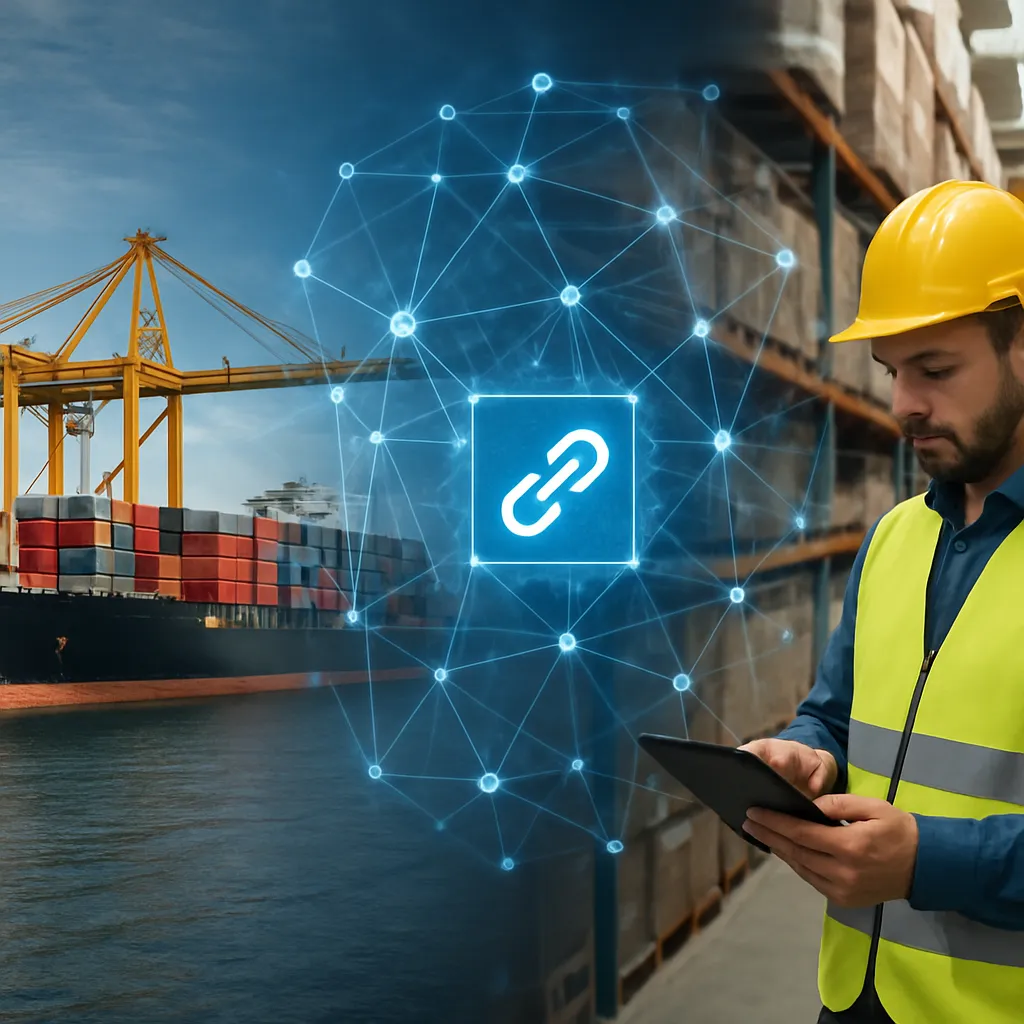
Blockchain technology is catalyzing a profound transformation across the landscape of world economy, particularly within the intricate network of global supply chains. By enabling immutable record-keeping, real-time data sharing and automated verification processes, blockchain is dismantling conventional bottlenecks and redefining how goods traverse from origin to destination. This article explores the multifaceted impact of blockchain on global logistics, its core features driving change, the obstacles hindering widespread adoption and the long-term outlook for a more integrated and sustainable supply ecosystem.
Evolution of Global Supply Chain Management
Over the past few decades, globalization has increased the complexity of supply chains. Companies source raw materials from multiple continents, manufacture components in diverse facilities and distribute final products through extensive retail networks. These intricate webs often lack unified data standards, resulting in fragmented systems, opaque processes and vulnerabilities to fraud. Legacy solutions, such as centralized databases and manual audits, frequently fail to provide end-to-end visibility and can be both time-consuming and expensive.
The rise of advanced digital platforms has partially addressed inefficiencies by offering track-and-trace applications, digital twins and cloud-based collaboration hubs. Yet many stakeholders still struggle with delayed information flows, inconsistencies in documentation and high operational cost. In this context, blockchain emerges as a disruptive force, introducing a shared ledger that is simultaneously distributed, decentralized and cryptographically secure. By replacing siloed databases with a consensus-driven network, blockchain enhances accountability and streamlines transaction settlements across multiple parties.
Key Blockchain Features Driving Change
1. Immutable, Tamper-Proof Records
One of blockchain’s most celebrated properties is the creation of tamper-proof records. Every transaction or event—whether it’s a shipment checkpoint, quality inspection or customs clearance—is appended to a block and time-stamped. Once validated, these entries cannot be altered without consensus from the entire network. This dramatically reduces opportunities for data manipulation, counterfeiting and unauthorized changes.
2. Real-Time Transparency and Traceability
Blockchain provides unprecedented levels of transparency. Authorized participants can view the entire product journey, from raw material extraction to end-customer delivery. This traceability enables rapid identification of bottlenecks or irregularities, supports ethical sourcing initiatives and helps organizations comply with stringent regulatory requirements. Consumers, too, gain confidence by accessing verifiable product histories via mobile apps and QR codes.
3. Smart Contracts and Automated Execution
Smart contracts—self-executing code embedded within the blockchain—automate key processes when predefined conditions are met. For example, upon confirmation of shipment delivery, payment can be instantly released to suppliers without manual intervention. This automation fosters greater efficiency, reduces disputes and lowers the administrative burden associated with invoice reconciliation and contract enforcement.
4. Enhanced Interoperability
Traditional supply chains often rely on proprietary systems that struggle to communicate effectively. Blockchain standards and open protocols are fostering interoperability, allowing disparate platforms to exchange data seamlessly. By adopting uniform data schemas and API integrations, companies can link production, logistics, finance and compliance tools within a unified ecosystem.
5. Strengthened Trust and Collaboration
In multi-party networks, trust is the currency that holds operations together. Blockchain replaces reliance on single authorities or third-party auditors with a network consensus mechanism. This distributed governance model builds trust organically, encouraging deeper collaboration and information-sharing among manufacturers, carriers, distributors and retailers.
Challenges and Opportunities for Adoption
- Scalability: As transaction volumes grow, blockchain networks can face latency and throughput constraints. Layer-two solutions and sharding techniques are emerging to address these concerns, but large-scale deployment in global supply chains demands robust performance.
- Regulatory Uncertainty: Different jurisdictions have varying approaches to digital assets and data privacy. Companies must navigate a patchwork of regulations, ensuring blockchain implementations comply with cross-border trade laws and security standards.
- Integration Complexity: Migrating legacy ERP and warehouse management systems to blockchain platforms requires significant technical and organizational effort. Clear migration roadmaps, pilot programs and stakeholder alignment are essential to avoid disruptions.
- Cost of Implementation: While blockchain promises long-term savings, initial setup costs for infrastructure, development and training can be substantial. ROI calculations should factor in reduced fraud, improved working capital cycles and enhanced brand reputation.
- Data Privacy and Confidentiality: Public blockchains offer transparency but may expose sensitive information. Hybrid or permissioned networks enable granular access controls, ensuring only authorized parties view specific data fields.
Despite these challenges, early blockchain consortia—spanning retail giants, logistics firms and financial institutions—have delivered promising pilot results. Cross-industry collaborations, such as cargo tracking platforms for perishable goods and pharmaceutical authentication networks, illustrate the technology’s real-world potential.
Future Outlook for a Disrupted Industry
As blockchain adoption accelerates, supply chains will evolve into more interconnected, data-driven ecosystems. Advanced analytics, powered by enriched datasets from distributed ledgers, will enable predictive demand forecasting, dynamic routing and AI-driven risk management. Companies will leverage blockchain to certify fair-trade origins, enforce carbon footprint limits and tokenize physical assets for fractional ownership models.
Longer-term, the convergence of blockchain with emerging technologies—like the Internet of Things (IoT), 5G connectivity and edge computing—will further automate monitoring and control. Smart sensors embedded in shipping containers or pallets will autonomously update blockchain records, triggering smart contracts for automated customs clearances or insurance claims. This integration will boost operational resilience and reduce dependencies on centralized control points.
The democratization of blockchain infrastructure through cloud-based platforms and open-source frameworks will lower entry barriers for small and medium-sized enterprises. Startups and agile players will experiment with innovative logistics services, blockchain-enabled payment gateways and decentralized marketplaces, intensifying competition and driving continuous improvement.
In the broader context of world economy, blockchain-powered supply chains will enhance global trade efficiency, enabling faster response to crises, minimizing waste and bolstering food and medical supply security. By embedding traceability and ethical sourcing guarantees into every link, businesses will align more closely with consumer values and ESG mandates. Ultimately, the synergy between blockchain’s core properties—decentralization, immutability, automation and transparency—will redefine the economics of trust and collaboration, ushering in a new era of connected commerce.