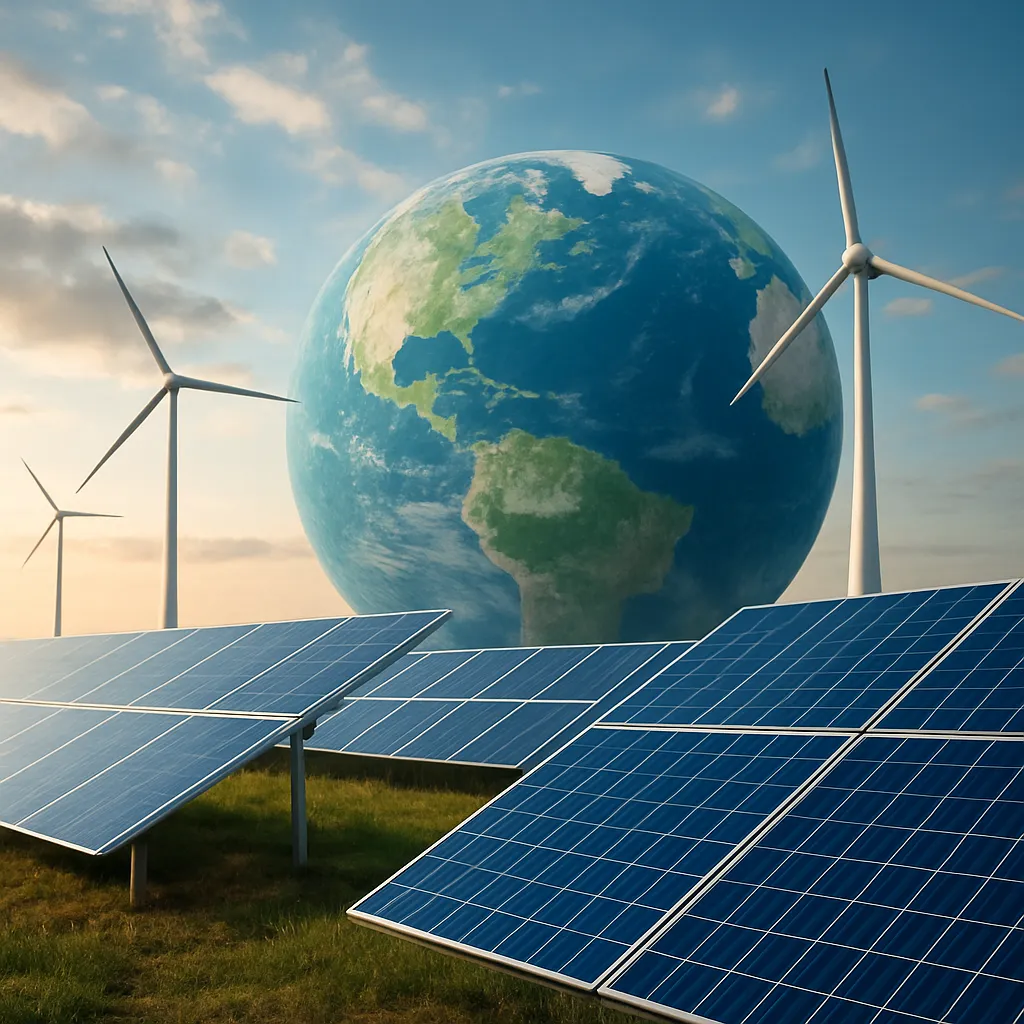
The surge in renewable energy investment has become a defining feature of the modern world economy. Expanding far beyond mere environmental concerns, this shift represents a multifaceted transformation that touches upon sustainability, decarbonization, and the creation of novel infrastructure networks. In examining the broad ramifications of these investments, one discovers a tapestry of effects ranging from accelerating innovation to forging new pathways for international cooperation and resilience.
Impact on Global Economic Landscapes
Decades of reliance on fossil fuels shaped a financial architecture that prioritized short-term returns and centralized production. The redirection of capital towards renewable sources like solar, wind, and hydropower has disrupted these conventions, opening avenues for diversified growth and enhanced job creation.
Revitalizing Local Economies
- Decentralized energy projects often utilize local labor, stimulating employment in infrastructure development, fabrication, and maintenance.
- Community-owned cooperatives channel profits directly into regional services—schools, healthcare, and transportation—reinforcing economic resilience.
- Small-scale generators reduce transmission losses and reliance on imported fuels, keeping capital within national borders.
Macro-Level Capital Flows
- Multinational corporations and sovereign wealth funds are allocating unprecedented portions of portfolios to clean-energy assets, restructuring the global finance landscape.
- Green bonds and sustainable loans have become mainstream instruments, guiding investments towards carbon-neutral targets.
- Emerging markets attract foreign direct investment (FDI) through renewable projects, leading to balanced economic development across regions.
Driving Technological Innovation
The competitive push for renewable solutions has sparked a renaissance in scientific innovation. Governments, private entities, and academic institutions collaborate to refine existing technologies and pioneer novel approaches that enhance efficiency and affordability.
Advancements in Energy Storage
- Next-generation battery chemistries, including solid-state and flow batteries, promise greater longevity and reduced costs, addressing the intermittency of solar and wind power.
- Grid-scale storage facilities optimize load balancing, ensuring stable power delivery and reducing dependence on backup fossil-fuel plants.
- Research incentives have accelerated breakthroughs in materials science, such as high-capacity electrodes and recyclable components.
Smart Grids and Digital Integration
- Intelligent monitoring systems leverage IoT sensors to detect faults and optimize energy distribution in real time.
- Blockchain pilots demonstrate secure, peer-to-peer energy trading platforms, empowering prosumers and enhancing market liquidity.
- Artificial intelligence algorithms predict demand fluctuations, enabling utilities to preemptively allocate resources and reduce waste.
Emerging Renewable Sources
- Ocean-based generation—wave, tidal, and offshore wind—expands the renewable portfolio, harnessing underutilized marine environments.
- Next-level photovoltaic cells incorporate perovskite materials, surpassing traditional efficiency plateaus while driving production costs down.
- Bioenergy innovations focus on second-generation feedstocks, mitigating competition with food crops and enhancing circular economy principles.
Policy Frameworks and International Collaboration
Effective policy design is crucial to channel capital into low-carbon pathways. As nations fine-tune regulations and incentives, global cooperation emerges as a keystone for scaling up renewable investment.
Regulatory Instruments and Incentives
- Feed-in tariffs guarantee fixed payment rates for renewable producers, incentivizing early adopters and driving market penetration.
- Carbon pricing mechanisms—taxes and cap-and-trade systems—internalize environmental costs, making clean energy more economically attractive.
- Subsidy reforms redirect financial support away from fossil fuels, creating a level playing field for renewables.
Multilateral Agreements
- Global climate accords establish emission reduction targets and mobilize cross-border funding for sustainable projects.
- Technology transfer protocols facilitate knowledge exchange, enabling developing countries to leapfrog to advanced renewable systems.
- International financial institutions catalyze large-scale investments through guarantees, concessional loans, and risk-sharing facilities.
Public-Private Partnerships
- Collaborative ventures between governments and corporations de-risk early-stage projects and accelerate commercialization of cutting-edge solutions.
- Green investment funds pool capital from sovereign wealth funds, pension plans, and philanthropic organizations to underwrite strategic infrastructure.
- Stakeholder engagement ensures that indigenous communities and civil society groups benefit from and contribute to renewable development plans.
Evolving Challenges and Future Prospects
Despite remarkable strides, several hurdles persist. Supply-chain bottlenecks, raw material shortages, and geopolitical tensions can threaten the momentum of renewable investment cycles. Yet adaptive strategies and resilient planning offer pathways forward.
Securing Critical Materials
- Recycling and circular economy practices reduce dependence on newly mined minerals, such as lithium and cobalt.
- Strategic stockpiles and diversification of supply sources mitigate risks associated with geopolitical disruptions.
- Investment in alternative chemistries lessens the environmental footprint of large-scale battery production.
Balancing Energy Portfolios
- Hybrid systems combining renewables with hydrogen or bioenergy bolster reliability during peak demand seasons.
- Regional energy interconnections allow surplus power transfers, optimizing generation across varying climatic zones.
- Dynamic demand-response programs enable consumers to adjust usage in harmony with supply patterns, flattening demand curves.
Aligning Finance with Long-Term Goals
- Institutional investors increasingly adopt Environmental, Social, and Governance (ESG) criteria, steering trillions towards sustainable assets.
- Transparent reporting standards ensure accountability, with benchmarks measuring progress against global climate objectives.
- Innovative financing tools—such as green sukuks and climate resilience bonds—address the unique needs of vulnerable regions.
As the nexus of sustainability, economic opportunity, and environmental stewardship becomes ever clearer, stakeholders worldwide are recalibrating priorities. The interplay between disruptive innovation, progressive policy frameworks, and robust cooperation will shape a future where decarbonization is not just an aspiration but a tangible reality. The steady flow of capital into renewables is poised to redefine competitiveness and catalyze profound growth across societies, cementing the role of clean energy as a cornerstone of the global economy.