How the End of Cheap Capital is Shaping the Global Market

A paradigm shift in international finance is underway as the era of cheap capital draws to a close. Years of accommodative policies, rock-bottom borrowing costs, and unprecedented levels of liquidity have fueled expansion across geographies and asset classes. However, the combination of rising interest rates and tightening fiscal stances is forcing businesses, governments, and investors…

Read More

The Role of the IMF and World Bank in the 21st Century

As globalization connects markets and societies more profoundly than ever before, two premier institutions—the International Monetary Fund and the World Bank—stand at the crossroads of economic **stability**, development planning and crisis management. They have evolved from postwar reconstruction agents into multifaceted actors addressing modern challenges such as climate change, digital finance and income inequality across…

Read More

The Role of Central Banks in Stabilizing Global Economies

Central banks play an indispensable role in preserving global economic stability by implementing effective monetary policy, ensuring adequate liquidity in financial markets, and fostering confidence through credible frameworks. As national authorities with the mandate to oversee currency issuance and banking systems, they act as guardians of price levels and financial integrity. This article explores how…

Read More

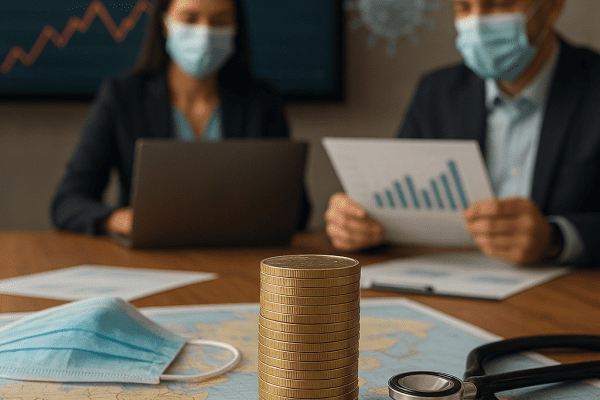
The Economics of Global Health Emergencies

The Economics of Global Health Emergencies examines how unexpected outbreaks reverberate across **global** markets and influence policy decisions. This analysis delves into the intricate relationship between disease events and the **world** economy, highlighting the importance of **resilience**, fiscal strategies, and collaborative frameworks. By exploring supply chain shocks, government interventions, and private sector roles, we uncover…

Read More