The ascent of Asia onto the global stage marks a pivotal era in economic history. As nations from the Pacific Rim to the Indian subcontinent accelerate in production, consumption, and technological prowess, the balance of power shifts. This transformation resonates across trade routes, capital flows, and diplomatic engagements. Understanding the mechanisms and implications of this shift is essential for policymakers, investors, and businesses worldwide.
The Emergence of Asia as an Economic Power
Over the past four decades, countries like China, India, South Korea, and Vietnam have achieved unprecedented levels of growth. This progress stems from strategic reforms, open trade policies, and significant investments in infrastructure. China’s accession to the World Trade Organization in 2001 catalyzed its manufacturing boom, while India’s service sector expansion fueled by a skilled workforce and digital adoption spurred rapid economic gains.
Key drivers of Asia’s success include:
- Demographics: A youthful population in countries such as India and Indonesia provides a robust labor force and rising consumer base.
- Urbanization: Massive migration to cities creates efficiency in production and fosters innovation hubs.
- Trade liberalization: Bilateral and multilateral agreements, such as the Regional Comprehensive Economic Partnership (RCEP), eliminate barriers and integrate markets.
- Infrastructure spending: High-speed rail networks in China and Japan’s advanced ports enhance logistical capabilities.
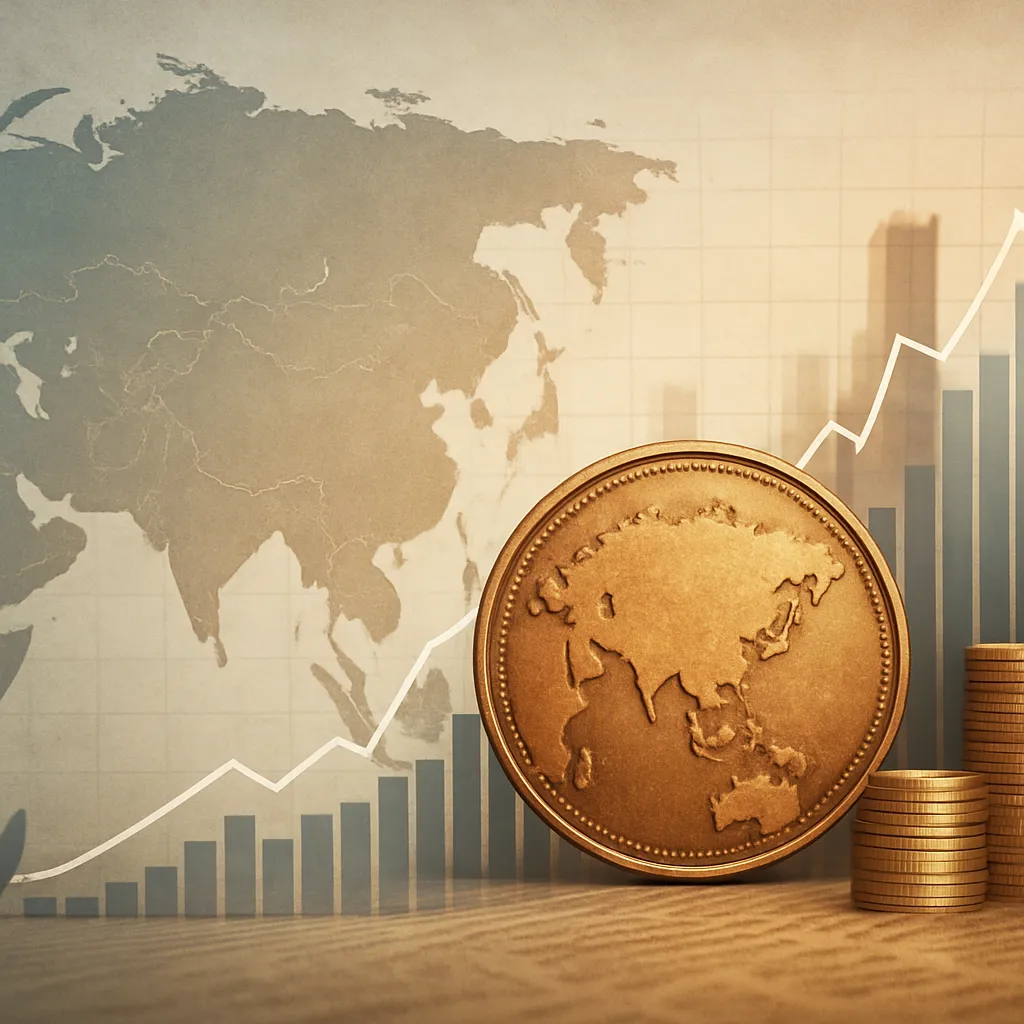
These factors combined have allowed Asia to account for over half of global GDP growth in recent years. With its share of world output rising, the region is no longer a peripheral player but a central force in shaping the future trajectory of global prosperity.
Shifts in Global Trade Patterns
The traditional trade axis between North America and Europe is evolving as Asia’s internal markets expand and intra-regional trade intensifies. The Belt and Road Initiative illustrates China’s ambition to connect Asia, Europe, and Africa via land and maritime corridors, thereby redefining historic trade routes. Meanwhile, India’s Act East policy deepens ties with Southeast Asian partners, creating a network of supply chains that bypass traditional hubs.
Important trends include:
- Supply chain diversification: Companies are relocating production from China to neighboring countries like Vietnam, Thailand, and Malaysia to mitigate geopolitical risks.
- Regional value chains: ASEAN nations collaborate on manufacturing, with parts sourced from multiple countries before final assembly, maximizing comparative advantages.
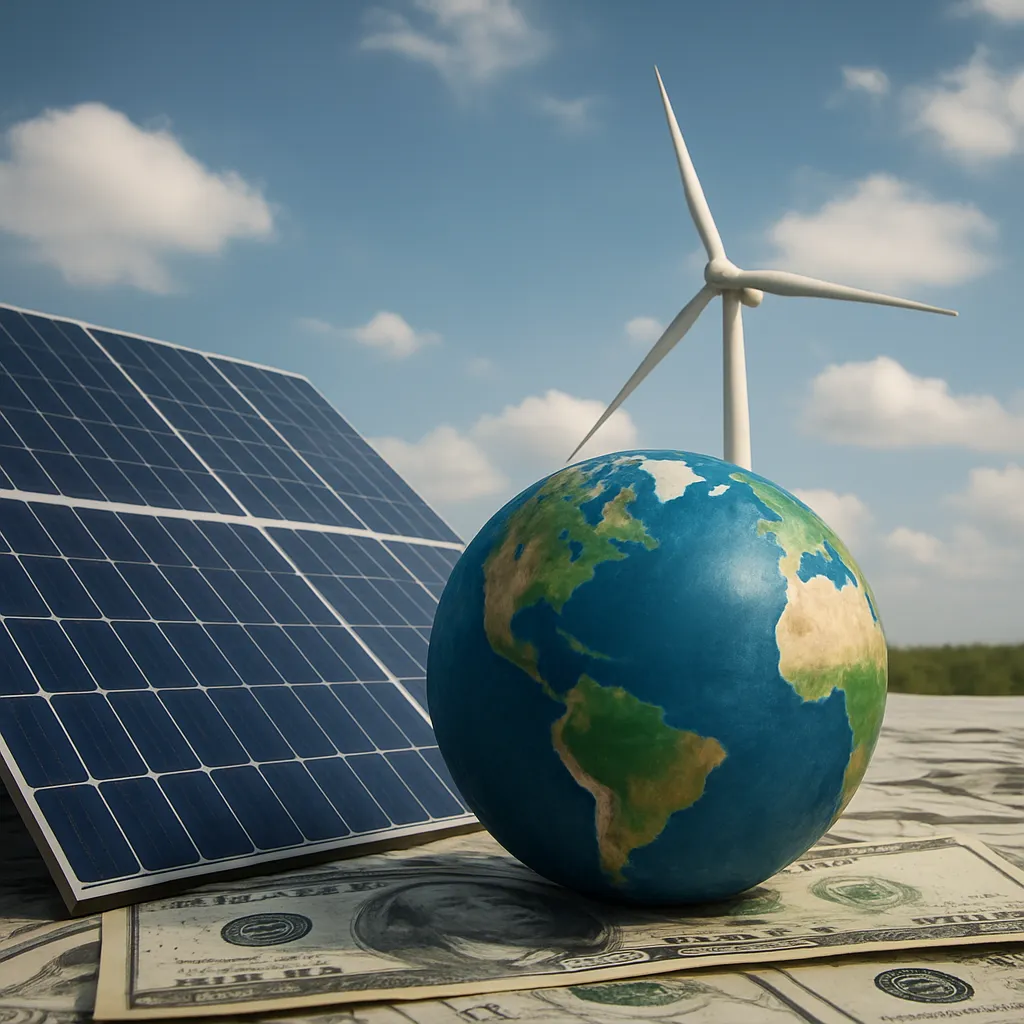
- Sustainability: Asian economies are investing in green logistics and renewable energy to meet climate goals and reduce carbon footprints across trade routes.
These shifts foster resilience but also generate competition. Western economies must adapt by forging new partnerships, supporting digital trade frameworks, and investing in workforce skills to maintain relevance in an increasingly Asia-centric commercial landscape.
Investment and Innovation Drivers
Foreign direct investment into Asia has surged, attracted by rapidly growing markets and improving governance structures. Financial centers such as Singapore and Hong Kong serve as gateways for capital flows into the region, while tech hubs in Bangalore, Shenzhen, and Seoul drive breakthroughs in artificial intelligence, biotechnology, and semiconductors.
Key innovation enablers include:
- Digital ecosystems: Massive internet user bases in China and India foster homegrown platforms in e-commerce, fintech, and social media.
- R&D expenditure: Governments and corporations elevate spending on research, with China now ranking second globally behind the United States.
- Startup culture: Venture capital networks and government-backed incubators nurture entrepreneurial ventures, boosting job creation and disruptive technologies.
Moreover, public-private partnerships in smart city projects, electric vehicles, and 5G telecommunications showcase how collaboration can accelerate technological adoption. As Asian nations climb the value chain, their role as hubs for creation, not just assembly, redefines global innovation dynamics.
Financial Flows and Currency Dynamics
Asia’s growing economic weight influences international finance. The inclusion of the Chinese renminbi in the IMF’s Special Drawing Rights basket acknowledges its rising prominence. Regional funding institutions like the Asian Infrastructure Investment Bank (AIIB) and the New Development Bank provide alternatives to Western-led entities such as the World Bank.
Major considerations are:
- Capital markets integration: Cross-border bond and equity markets expand, offering diversified investment opportunities for global portfolios.
- Currency internationalization: Efforts to settle trade in local currencies reduce dependence on the US dollar and strengthen monetary sovereignty.
- Risk management: Investors must navigate varying regulatory environments and financial stability mechanisms across Asian jurisdictions.
These trends underscore the growing complexity of global capital allocation. Institutions, sovereign wealth funds, and private investors increasingly turn to Asian assets for higher yields, compelling Western counterparts to reassess asset allocations and risk strategies.
Challenges and Future Prospects
Despite remarkable progress, Asia faces hurdles that could temper its ascent. Rising debt levels in certain economies pose fiscal challenges, while environmental degradation demands urgent remedial measures. Geopolitical tensions, particularly in the South China Sea and along the India–China border, risk disrupting trade and investment flows.
Nevertheless, persistent factors support continued momentum:
- Technological leapfrogging: Adoption of mobile banking, renewable energy, and digital platforms accelerates productivity gains.
- Regional cooperation: Strengthened policy coordination through forums like APEC and SAARC fosters stability and shared growth strategies.
- Human capital development: Investments in education and skill-building ensure labor forces remain competitive in a knowledge-driven global economy.
Asia’s rise signals a rebalancing of power but also presents opportunities for inclusive globalization. By embracing collaboration, innovation, and sustainable practices, nations across the world can harness this shift to foster resilient and equitable economic ecosystems.