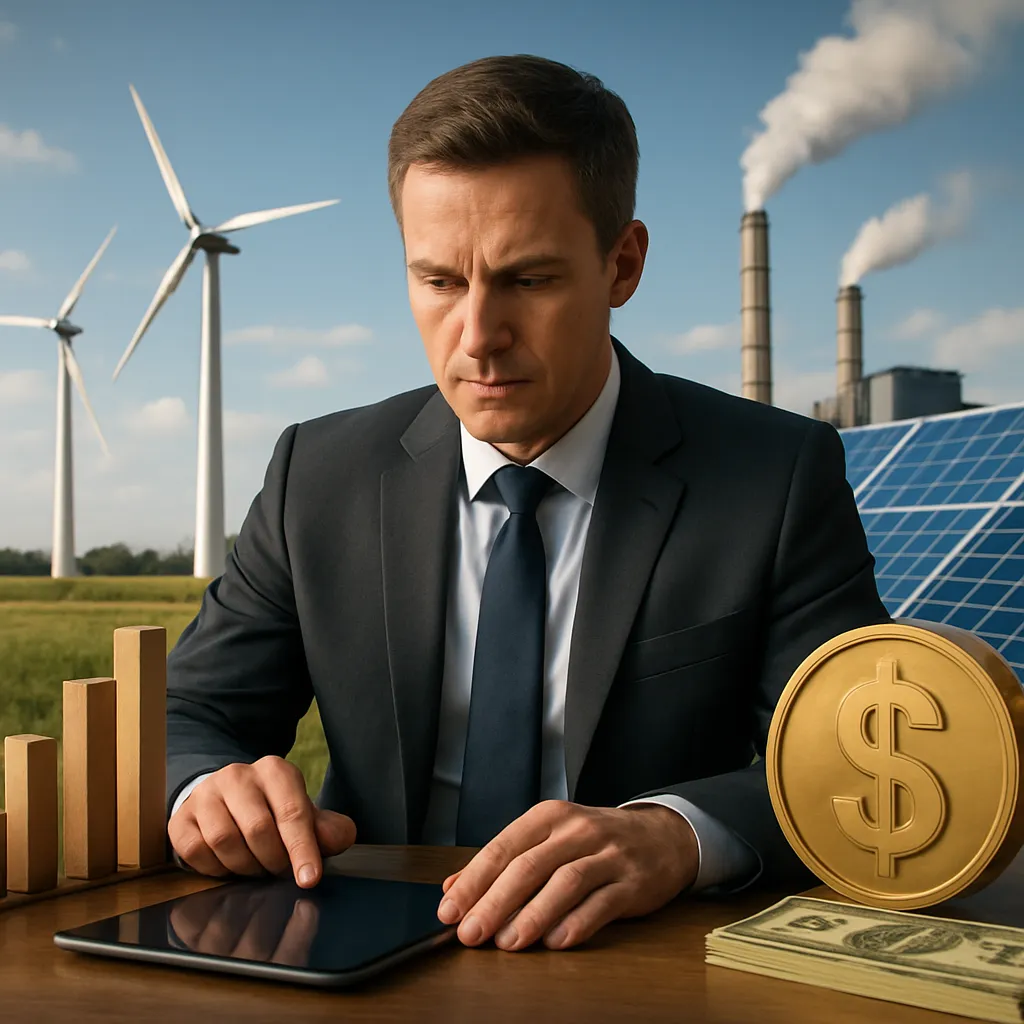
The world is witnessing a profound transformation in its energy systems, driven by shifting supply chains, policy interventions, and technological breakthroughs. This article examines the intricate interplay of economic forces that underpin the global movement towards cleaner and more resilient energy frameworks. By exploring demand trends, regulatory landscapes, and innovation pathways, we uncover the key drivers of change.
Global Demand Dynamics
The evolution of energy consumption is closely tied to patterns of economic growth, demographic shifts, and urbanization. Emerging markets in Asia and Africa are experiencing accelerated industrialization, leading to a surge in electricity demand. In contrast, many developed economies have witnessed a plateau or slight decline in per capita energy use due to improvements in efficiency and structural transitions toward service-oriented industries.
Population Growth and Urbanization
Rapid expansion of cities has reshaped consumption profiles. Urban residents typically require more power for transportation, heating, and cooling. Meanwhile, investments in public transit and building retrofit programs aim to contain energy intensity. City planners integrate sustainability criteria into zoning codes, favoring mixed-use developments that reduce commuting distances and promote walking or cycling.
Sectoral Shifts
- Industry: Heavy manufacturing remains energy-intensive, but digitalization and automation enable precision control of processes, lowering waste.
- Transport: Electrification of vehicles is accelerating, driven by cost declines in batteries and supportive regulation. Policymakers offer incentives for electric car adoption and invest in charging networks.
- Buildings: Smart-grid connected appliances and demand response schemes allow real-time adjustment of loads, enhancing grid resilience.
Policy and Market Instruments
Governments and multilateral institutions play a crucial role in steering the energy transition. A mix of carrots and sticks—subsidies for renewables, carbon pricing, and efficiency standards—has become the standard toolkit. The design of these instruments shapes investment decisions and risk allocations across stakeholders.
Carbon Pricing and Emissions Trading
Several jurisdictions have introduced carbon taxes or cap-and-trade systems to internalize the external costs of greenhouse gas emissions. By placing a monetary value on carbon, these mechanisms encourage firms to pursue decarbonization strategies, such as fuel switching or process optimization. Revenues generated can be recycled to fund clean energy research or cushion vulnerable households from price shocks.
Subsidies and Feed-in Tariffs
Renewable energy deployment often benefits from preferential rates or direct grants that lower the levelized cost of electricity. While successful in jump-starting solar and wind industries, these subsidies can create market distortions if not phased out at the right time. Policymakers must balance the need for short-term support against the goal of fostering competitive parity with conventional power sources.
International Cooperation
- Trade Agreements: By reducing tariffs on green technologies, trade pacts accelerate diffusion of innovations and scale economies.
- Climate Finance: Development banks and climate funds mobilize public and private capital to underwrite projects in low-income countries, bridging the investment gap.
- Standards Harmonization: Common performance benchmarks for appliances and vehicles facilitate cross-border commerce and drive down unit costs.
Technological Innovations and Investment Trends
The nexus of research, entrepreneurship, and finance fuels breakthroughs that redefine the energy landscape. Cutting-edge developments in storage, grid management, and fuel production are lowering barriers to large-scale renewable integration and enhancing system volatility management.
Energy Storage and Grid Flexibility
Advances in battery chemistries and manufacturing have slashed costs by nearly 90 percent over the past decade. This trend unlocks new value streams—arbitrage, frequency regulation, and backup power—that make intermittent solar and wind assets more reliable. In parallel, pumped hydro and compressed air storage remain essential for capacity large enough to cover multi-day or seasonal deficits.
Green Hydrogen and Synthetic Fuels
Electrolysis technologies are maturing, paving the way for diversification of energy carriers. Green hydrogen holds promise for decarbonizing hard-to-electrify industries such as steelmaking and shipping. Investment momentum in pilot plants and ports equipped with hydrogen infrastructure is rising in Europe, Asia, and North America.
Digitalization and Smart Grids
Integration of artificial intelligence, blockchain, and the Internet of Things creates a responsive energy ecosystem. Predictive algorithms anticipate consumption peaks, enabling utilities to optimize generation portfolios. Peer-to-peer energy trading platforms empower prosumers to buy and sell surplus power, fostering community-scale markets and enhancing overall system resilience.
Financial Flows and Risk Management
Mobilizing the trillions of dollars required to meet climate and development goals necessitates innovative financial structures. Blended finance, green bonds, and yieldcos are among the vehicles facilitating capital deployment. Institutional investors are increasingly incorporating environmental, social, and governance criteria into their asset allocation frameworks, reflecting a shift toward more sustainable portfolios.
Green Bonds and Sustainable Debt
Issuance of labeled bonds earmarked for eligible green projects has surged, signaling strong investor appetite. Transparent reporting and third-party verification assure stakeholders that proceeds fund renewable energy, energy efficiency, or clean transport initiatives. This trend reduces the cost of capital for issuers committed to decarbonization.
Credit Enhancements and Guarantees
Public agencies and development institutions often provide partial risk guarantees or first-loss facilities, mitigating default concerns. Such credit enhancements are vital when financing novel technologies with limited track records. By lowering borrowing costs and extending tenors, guarantees catalyze private sector participation in high-impact ventures.
Hedging and Derivatives
Commodity derivatives help producers and consumers manage exposure to fluctuating fuel and power prices. Structured instruments, such as weather derivatives, protect against revenue variability tied to climate-dependent generation. As markets evolve, standardization and deeper liquidity pools are crucial to broadening access for market participants.
Challenges and Future Outlook
Despite remarkable progress, significant hurdles remain. Grid bottlenecks, regulatory fragmentation, and geopolitical tensions can slow momentum. The transition also poses social challenges, requiring just transition frameworks that address workforce displacement and energy affordability. Collaboration across public and private sectors will determine whether the next phase of the energy revolution achieves the scale and pace demanded by climate imperatives.